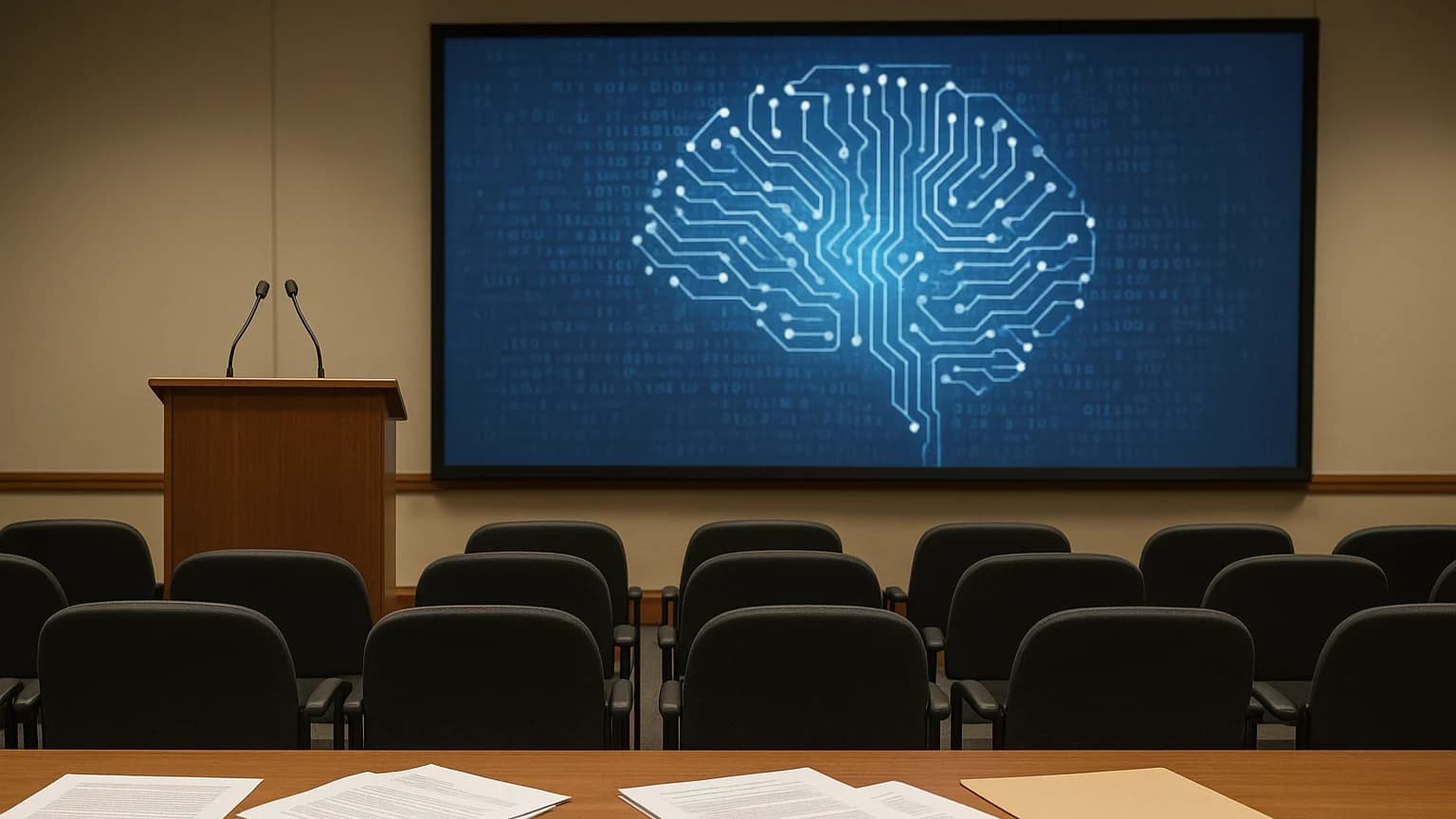
Michigan's efforts to regulate artificial intelligence in political campaigns are raising fundamental questions about effectiveness and enforcement, as state officials confront the challenge of distinguishing between protected political speech and potentially harmful deception.
The regulations, implemented alongside similar measures in other states, aim to address the proliferation of AI-generated content in political advertising and campaign materials. However, emerging concerns suggest these rules may do little to alter what Michigan voters actually encounter online and in their social media feeds.
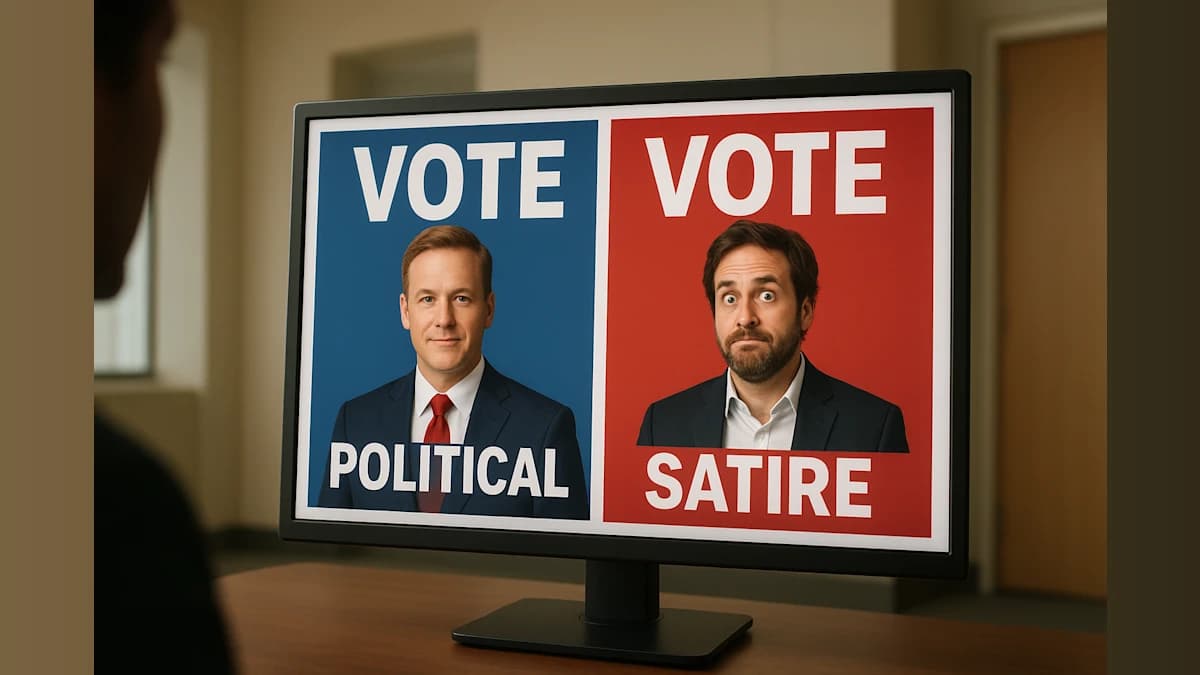
At the heart of the debate lies a critical question: when does an AI-generated campaign parody cross the line from constitutionally protected political satire into something more troubling? The answer has significant implications for free speech, electoral integrity, and the future of political discourse in Michigan.
The challenge facing Michigan regulators reflects a broader national struggle to keep pace with rapidly evolving technology. Artificial intelligence tools now enable the creation of highly realistic videos, audio recordings, and images that can depict political figures saying or doing things they never actually said or did. These so-called deepfakes have become increasingly sophisticated and accessible to campaigns, advocacy groups, and individual citizens alike.
Political satire has long enjoyed robust protection under the First Amendment, serving as a vital mechanism for criticism and commentary in democratic society. However, AI-generated content blurs traditional boundaries. A digitally manipulated video that appears authentic may mislead voters in ways that traditional political cartoons or satirical sketches never could.
The effectiveness of Michigan's regulatory approach remains uncertain. Enforcement mechanisms face practical obstacles, including the speed at which content spreads online, the difficulty of identifying AI-generated material, and jurisdictional limitations when content originates outside state borders. Additionally, overly broad restrictions risk chilling legitimate political expression and creative commentary.
As Michigan navigates this uncharted territory, the state joins a growing number of jurisdictions attempting to balance technological innovation with electoral integrity. The outcome of these regulatory experiments will likely influence how other states approach AI governance in political contexts, making Michigan's experience particularly significant for the national conversation.
The timing proves especially critical as the 2026 election cycle intensifies. Michigan voters may encounter AI-generated content with increasing frequency in the coming months, testing both the regulations themselves and the public's ability to discern authentic material from artificial creations. Whether current safeguards prove adequate remains an open question that will be answered in real time as campaigns unfold.