
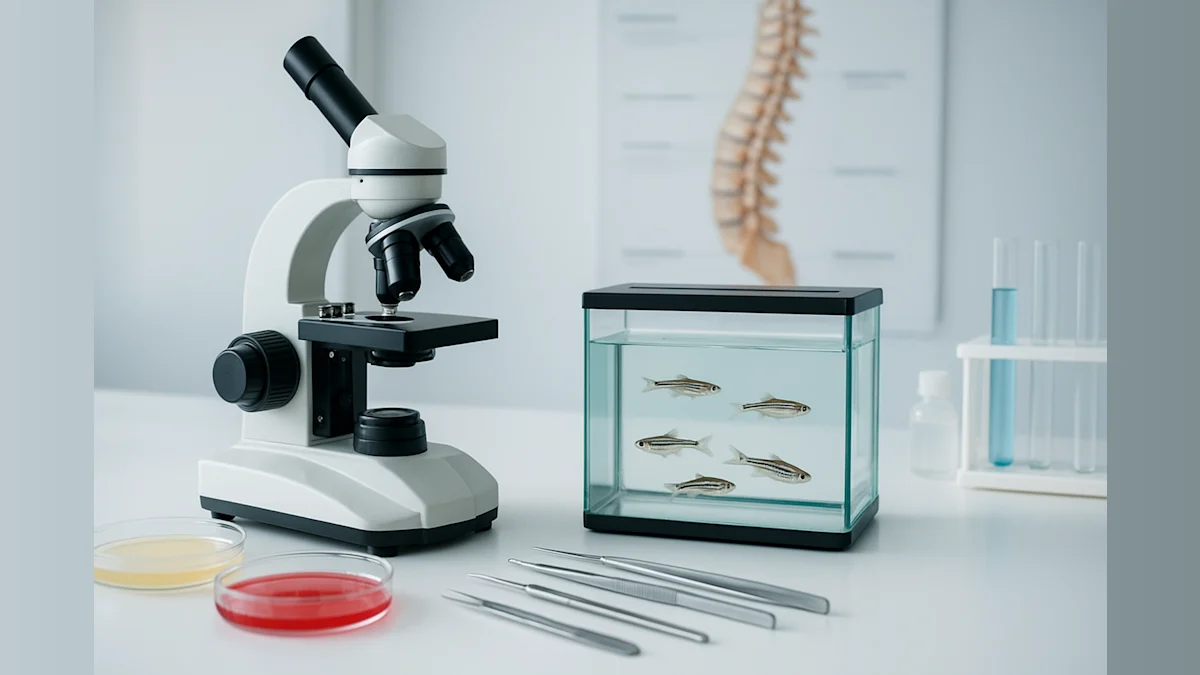
A groundbreaking medical achievement has emerged from Zurich, where biotech engineers have successfully restored normal movement in a mouse whose spinal cord was entirely severed. The breakthrough combines microscopic robotic technology with stem cell therapy, offering new hope for treating catastrophic spinal injuries.
The experimental treatment represents a significant departure from conventional approaches to spinal cord injury repair. By deploying micro-sized robots in conjunction with stem cells, researchers achieved what many in the medical community consider a remarkable feat: the complete restoration of movement in an animal with total spinal cord severance.
The technology's effectiveness was demonstrated not only in mice but also in zebrafish, suggesting broad applicability across different biological systems. According to the engineers who developed this approach, the method offers multiple advantages over existing similar techniques, though the specific nature of these improvements was not detailed in initial reports.
Spinal cord injuries have long presented one of medicine's most formidable challenges. When the spinal cord is severed, the disruption of neural pathways typically results in permanent paralysis below the injury site. Traditional treatment options have focused primarily on preventing further damage and managing symptoms rather than restoring lost function.
The integration of microscopic robotics with regenerative medicine marks a novel approach to this persistent medical challenge. While stem cell therapies have shown promise in various applications, the addition of micro-robotic technology appears to enhance the precision and effectiveness of cellular delivery and integration.
The demonstration in both mammalian and aquatic species suggests the underlying principles may have broad biological relevance. Zebrafish are frequently used in regenerative medicine research due to their natural ability to repair certain tissues, making them valuable models for understanding healing processes.
While this early-stage research offers encouraging results, significant work remains before such treatments could be considered for human application. The transition from laboratory animals to human clinical trials involves extensive safety testing, regulatory approval processes, and verification of efficacy across larger and more complex biological systems.
Nevertheless, the successful restoration of normal movement in a mouse with complete spinal cord severance represents a meaningful step forward in regenerative medicine. For the millions of people worldwide living with spinal cord injuries, such advances offer a glimpse of possibilities that seemed unattainable just years ago.