
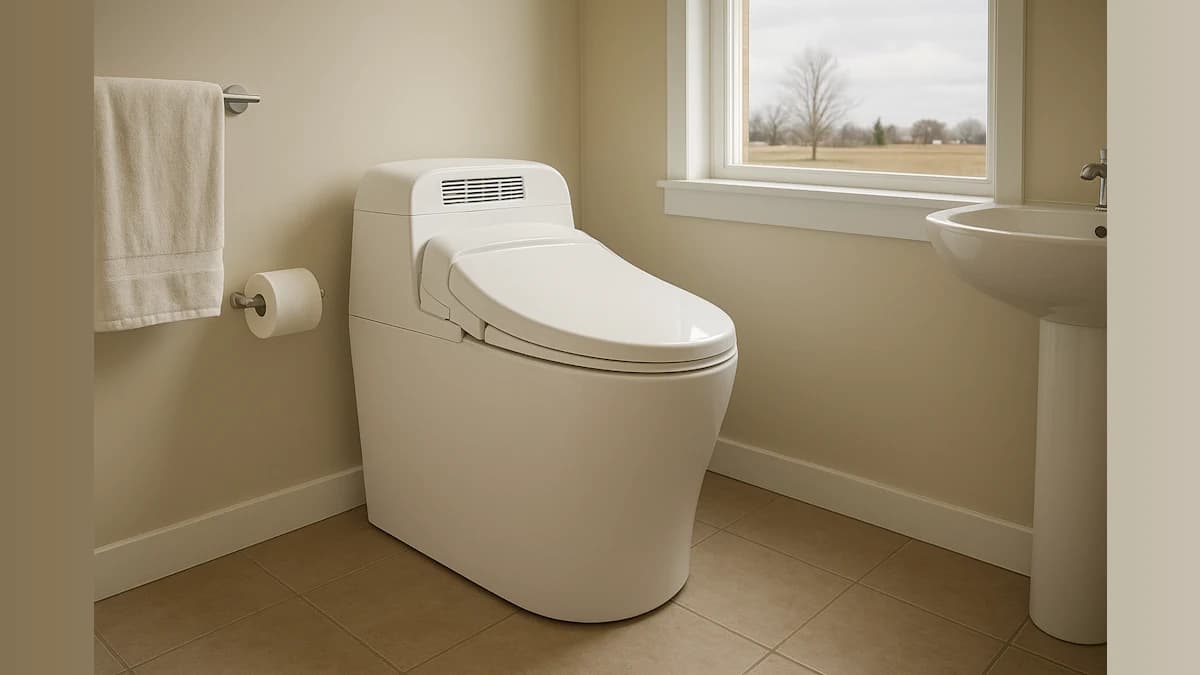
A sanitation innovation born from space exploration is now transforming access to safe toilets for thousands of households worldwide. The iThrone, a waterless toilet system that requires no flushing mechanism, currently serves approximately 20,000 homes across three countries.
Inventor and serial entrepreneur Diana Yousef developed the technology while working at NASA on spaceborne sanitation challenges. Her initial focus centered on designing bathroom facilities suitable for space stations, where water conservation and waste management present unique engineering obstacles.
During her research into extraterrestrial sanitation systems, Yousef recognized that the same technological principles could address a pressing terrestrial problem. Billions of people worldwide lack access to safe, hygienic toilet facilities, particularly in regions where water scarcity or inadequate infrastructure make conventional plumbing systems impractical or impossible.
The iThrone system has been deployed in Uganda, Panama, and the United States, demonstrating its versatility across different climates, cultures, and economic contexts. By eliminating the need for water and traditional sewage infrastructure, the technology offers a viable sanitation solution for communities that conventional toilet systems cannot reach.
The global sanitation crisis affects public health, environmental quality, and economic development in vulnerable communities. Waterless toilet technologies represent a growing field of innovation aimed at providing dignified, safe sanitation without the resource demands of traditional plumbing systems.
Yousef's transition from aerospace engineering to humanitarian technology illustrates how solutions developed for extreme environments can yield unexpected benefits for everyday challenges on Earth. The crossover between space exploration and global development continues to produce innovations that address fundamental human needs.