Native American youth gathered Saturday at the Battle of Little Bighorn site to mark the sesquicentennial of one of the most significant military engagements in American history, transforming the anniversary into a celebration of Indigenous resilience and cultural survival.
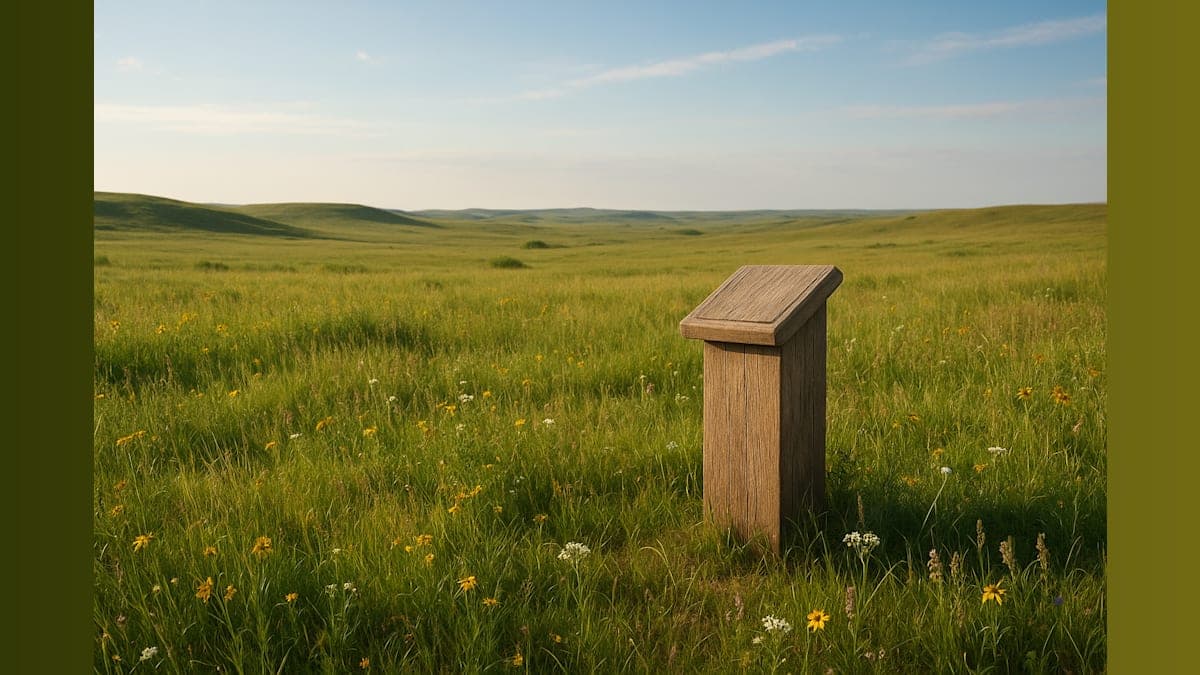
The commemoration on June 27, 2026, comes exactly 150 years after the historic battle in which a coalition of Lakota Sioux, Northern Cheyenne, and Arapaho warriors defeated the United States 7th Cavalry Regiment under Lieutenant Colonel George Armstrong Custer. The 1876 engagement, known to Native Americans as the Battle of the Greasy Grass, represented a crucial moment of Indigenous resistance against westward expansion and forced relocation.
The decision to center young people in the anniversary observance reflects a deliberate effort to connect contemporary Indigenous youth with their ancestral heritage. By gathering at the actual battlefield, participants created a living bridge between past and present, honoring the warriors who fought while affirming the continued vitality of Native cultures that federal policies once sought to eliminate.
The Battle of Little Bighorn has long occupied a complex place in American historical memory. For generations, mainstream narratives portrayed the engagement primarily through the lens of Custer's defeat, often minimizing or ignoring the Indigenous perspective. Recent decades have witnessed a significant shift toward recognizing the battle as a legitimate defensive action by Native peoples protecting their lands, families, and way of life against military aggression.
The anniversary gathering underscores the remarkable persistence of Native American communities despite sustained efforts at cultural erasure. Following the battle, the United States government intensified its campaign to confine Indigenous peoples to reservations and suppress traditional practices through boarding schools and assimilation policies. That Native youth can now gather openly at Little Bighorn to celebrate their heritage represents a profound reversal of those historical forces.
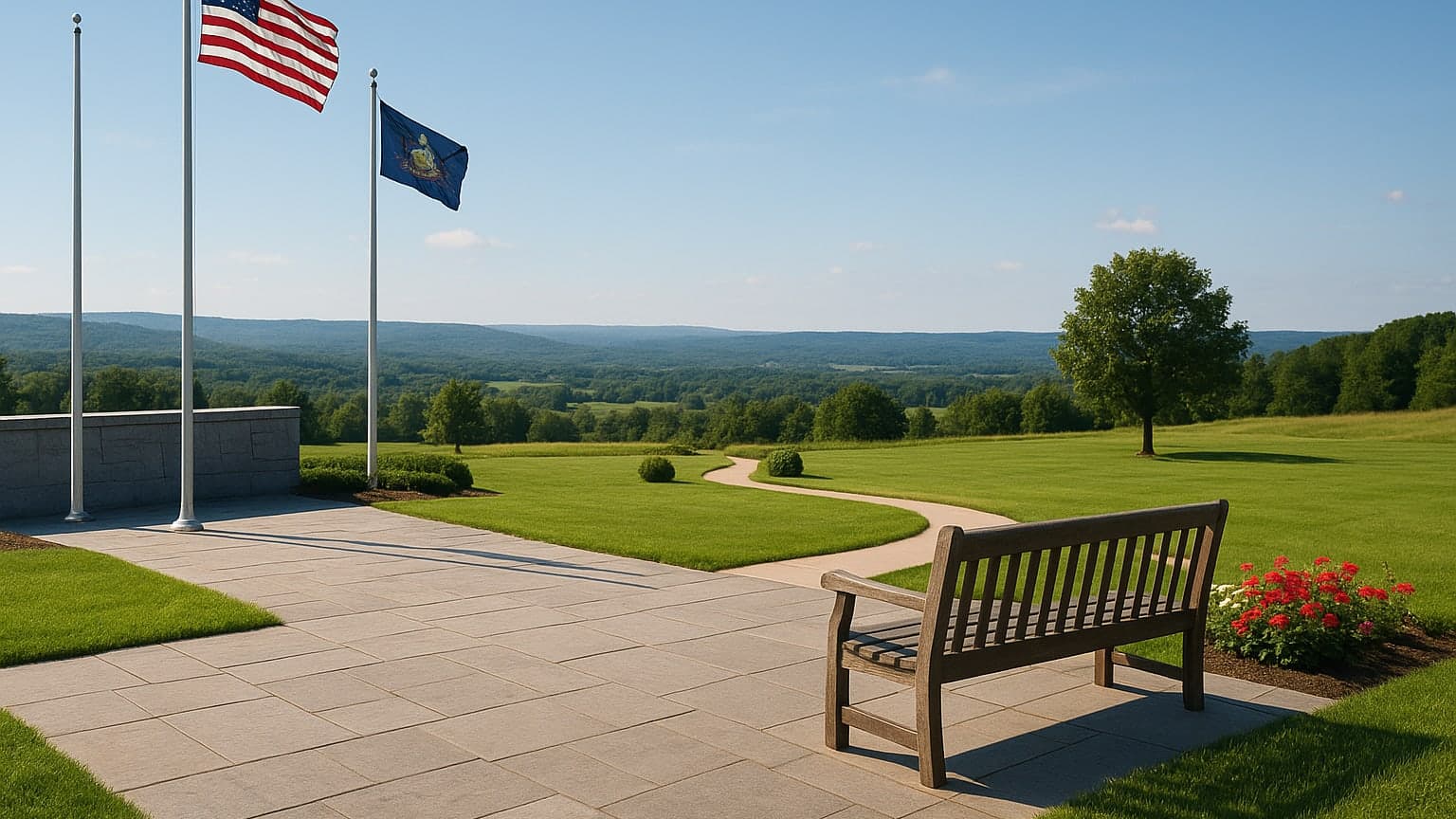
The battlefield site itself has evolved significantly since the National Park Service assumed management. What was once known exclusively as Custer Battlefield National Monument was redesignated in 1991 as Little Bighorn Battlefield National Monument, reflecting a more balanced interpretation of the events. The addition of the Indian Memorial in 2003 provided a permanent space for honoring the Native warriors and their cause.
For the young participants, the gathering offered an opportunity to claim ownership of their history and assert their place in an ongoing story of survival and renewal. The emphasis on youth engagement signals an investment in ensuring that future generations maintain connections to their cultural roots and understand the sacrifices made by their ancestors.
The 150th anniversary arrives at a moment of heightened attention to Indigenous rights and representation across the United States. From land acknowledgments to the removal of offensive mascots, American institutions have begun reckoning with their treatment of Native peoples, though advocates note that substantive policy changes often lag behind symbolic gestures.
The commemoration at Little Bighorn serves as a reminder that Native American history is not confined to the past but remains a living, evolving narrative. By gathering at this historic site, Indigenous youth demonstrated that their cultures have not merely survived but continue to adapt and thrive, carrying forward the legacy of those who fought on these grounds a century and a half ago.