A group of vigilant neighbors became unlikely heroes when they rescued an elderly woman from a house fire in Wigston, Leicestershire, England. The dramatic rescue unfolded as the woman's daughter monitored the situation remotely through a doorbell camera system.
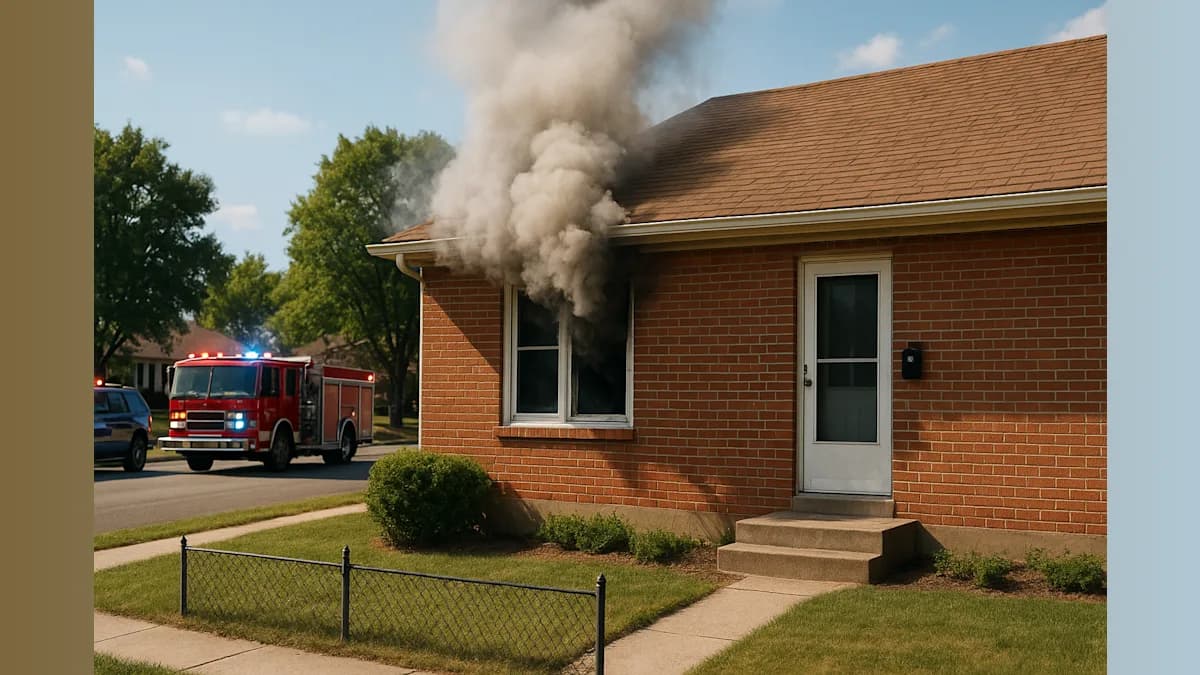
Phyllis Day, 87, who lives with Alzheimer's disease, was asleep when a fire erupted in the utility room of her residence. The blaze threatened the vulnerable woman, who remained unaware of the danger as flames and smoke spread through her home.
Neighbors spotted the flames and smoke billowing from the property and immediately sprang into action. Without hesitation, they entered the burning structure to locate and extract Phyllis Day from the hazardous environment. Their swift response proved critical in preventing what could have been a tragic outcome for the elderly resident.
The rescue took an unexpected turn when the daughter, monitoring her mother's home through the doorbell camera system, received alerts showing the neighbors rushing toward and entering the property. The camera footage initially presented an alarming image, with the rescuers appearing suspicious in their urgent approach to the home. The daughter later acknowledged that the neighbors looked like what she described as intoxicated troublemakers in the doorbell camera alerts, though they were in fact saving her mother's life.
The incident highlights both the life-saving potential of community awareness and the limitations of remote monitoring technology. While doorbell cameras provide valuable security surveillance, the footage can sometimes misrepresent urgent situations, as context and audio may not fully convey the nature of an emergency response.
For elderly individuals living with cognitive conditions such as Alzheimer's disease, the risk of household emergencies becomes particularly acute. The condition can impair awareness of danger and limit the ability to respond appropriately to threats such as fire. This case underscores the importance of attentive neighbors and community networks in protecting vulnerable residents.
The successful rescue in Wigston demonstrates the critical role that ordinary citizens can play in emergency situations. When seconds matter, neighbors who act decisively can mean the difference between life and death, even when their actions might initially appear questionable through the lens of security technology.