Emergency preparedness, an interest long shadowed by suspicion, is drawing fresh attention after a stretch of technology failures, crashes affecting major government networks and stoppages that halted flights. According to reporting by Jaclyn Diaz of NPR published on Thursday, November 26, 2026, large numbers of people online are now turning to preppers for guidance on building self-reliance.
The prepper movement has historically carried a stigma, with adherents often portrayed as fringe figures fixated on societal collapse. The recent disruptions appear to be eroding that perception, as ordinary households confront the practical question of how to function when the systems they depend on stop working.
The reporting identifies three categories of disruption driving the shift: failures in technology, crashes of major government networks and stoppages that grounded flights. Each episode illustrates how quickly routine life can be interrupted when critical infrastructure falters, a concern that resonates in communities of every size.
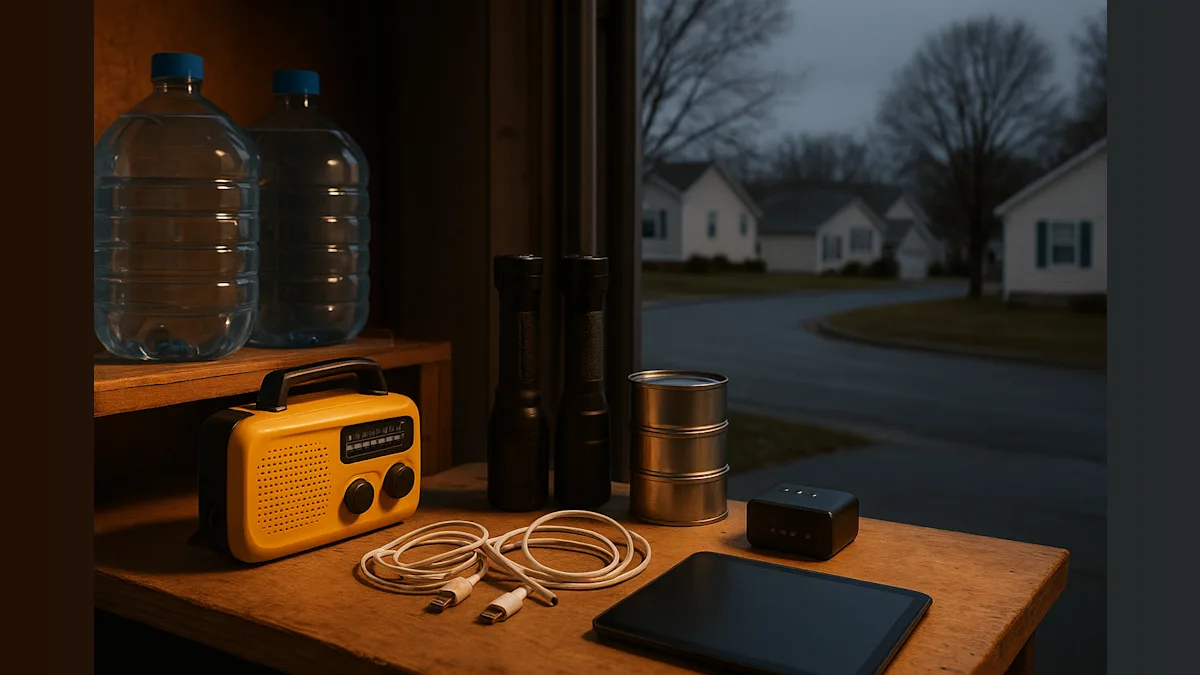
For local readers, the trend raises questions about household readiness that extend beyond any single outage. Preppers typically emphasize stored supplies, backup power, contingency plans and skills that reduce reliance on outside systems, an approach that preparedness officials have long urged residents to consider ahead of storms and other emergencies.
NPR notes that it does not offer or accept payment in exchange for coverage or interviews, and that anyone making such an offer or request is neither an NPR employee nor a representative of the organization. The disclosure accompanies the network's reporting on the subject.
The broader significance lies in the shift in public attitude. A practice once dismissed as alarmist is being reconsidered by skeptics who have now witnessed, in rapid succession, how vulnerable modern systems can be. Whether that interest translates into lasting changes in household habits remains to be seen, but the conversation around self-reliance has clearly moved into the mainstream.