A conservation success story is unfolding in western India, where a bird species absent from a major wildlife reserve for more than half a century has returned and established a breeding population.
Indian grey hornbills are nesting and raising young in Gir National Park for the fourth consecutive year following their reintroduction in 2021. The population now stands at 40 birds in the 540-square-mile reserve, which stretches across West India's desert landscape.
The species had not been observed nesting in Gir National Park since the 1960s, despite the reserve's international reputation for wildlife conservation. While the International Union for Conservation of Nature classifies the Indian grey hornbill as a species of Least Concern, the bird faces significant challenges due to highly specific habitat requirements.
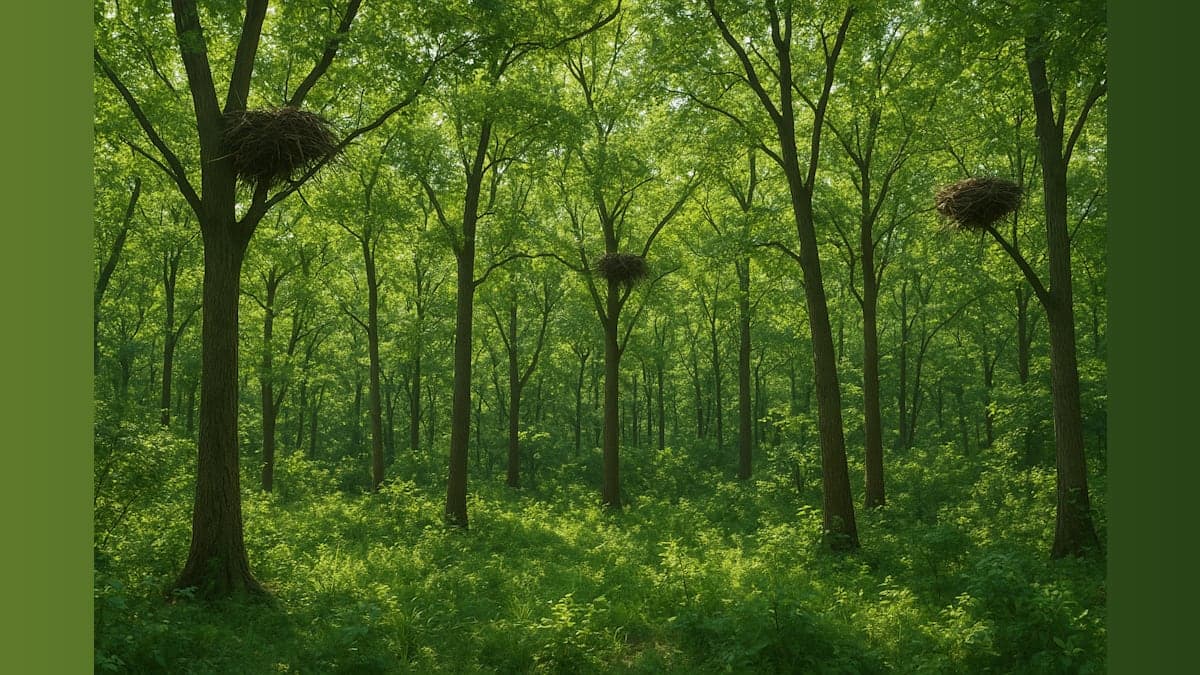
These social birds, which measure 24 inches in length, depend on mature native trees old enough to have developed cavities large enough to accommodate their nests. The hornbills also require access to abundant fruit supplies from surrounding vegetation. Without these conditions, populations can rapidly decline even in protected areas.
Indian conservationists regard the species as an indicator of overall ecosystem health. The hornbill's presence signals a flourishing landscape, while its absence can serve as an early warning of environmental degradation that may eventually impact other wildlife.
Preparing Gir National Park for the hornbills' return required years of dedicated habitat restoration work. Sections of the reserve underwent careful management to allow native tree species to mature and develop the necessary nesting cavities while ensuring adequate food sources.
According to The Better India, the reintroduction effort has achieved a critical milestone: the population can now sustain itself through natural breeding without requiring additional birds to be introduced from outside sources. This self-sustaining status represents the ultimate goal of wildlife reintroduction programs.
The successful breeding pairs documented over four consecutive years demonstrate that the restored habitat can support the species long-term. Each nesting season adds to the growing population and strengthens the likelihood of the hornbills maintaining a permanent presence in the reserve.
The project illustrates how targeted conservation interventions combined with patient habitat management can reverse local extinctions. By addressing the fundamental environmental needs of the species rather than simply releasing birds into unsuitable conditions, wildlife managers created the foundation for lasting recovery.