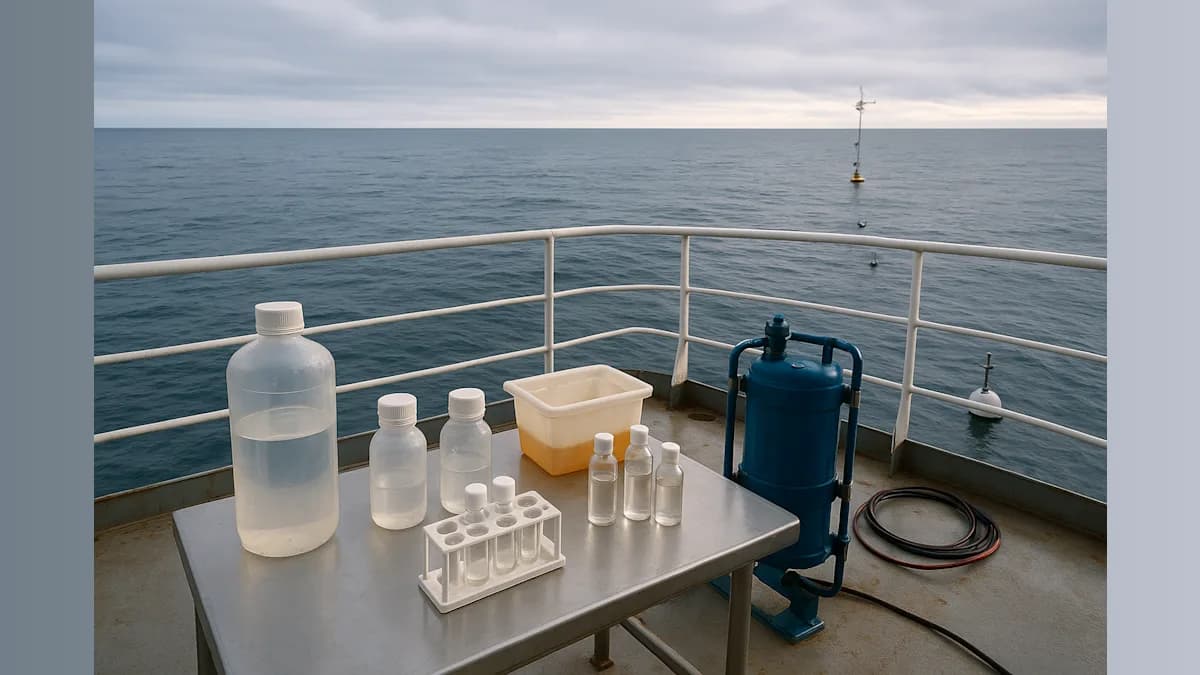
Marine researchers have documented the first live white abalone sighting in five years, offering a glimmer of hope for one of California's most imperiled marine species. The discovery occurred on May 12, 2026, during a survey mission aboard the National Oceanic and Atmospheric Administration research vessel Shearwater near the Channel Islands.
The white abalone, a charismatic sea snail species, has experienced a catastrophic population collapse since the 1970s, with numbers plummeting by 99%. This dramatic decline earned the species a Critically Endangered designation and made it one of California's most sought-after marine animals for conservation purposes.
The five-year absence of confirmed sightings had raised concerns among marine biologists about the species' ability to survive in the wild. White abalone populations were decimated by overfishing and environmental changes that disrupted their reproductive cycles. The species requires close proximity to other individuals for successful reproduction, making recovery particularly challenging as population density decreased.
The Channel Islands region has historically served as critical habitat for white abalone, along with several other abalone species native to California waters. These mollusks play an important role in marine ecosystems, grazing on algae and contributing to the health of kelp forest communities.
Conservation efforts for white abalone have included captive breeding programs designed to bolster wild populations. The recent sighting suggests that either these restoration efforts are beginning to show results or that small pockets of wild abalone have managed to persist despite the species' precarious status.
The discovery aboard the Shearwater represents more than just a single organism. For researchers tracking the species' recovery, each confirmed sighting provides valuable data about habitat preferences, distribution patterns, and the potential for natural population recovery. The information gathered during such surveys informs ongoing conservation strategies and helps scientists determine where to focus restoration resources.
While one sighting does not guarantee species recovery, it demonstrates that suitable habitat remains in California waters and that white abalone can still survive in their natural environment. The finding energizes ongoing conservation work and underscores the importance of continued monitoring and protection efforts for this critically endangered species.