The discovery was as heartbreaking as it was absurd: a three-month-old pangolin pup curled inside a cardboard box in the boot of a car in Johannesburg, a cabbage leaf placed beside him by a trafficker who apparently did not know that pangolins survive exclusively on ants and termites. That single misguided gesture encapsulates the profound ignorance that fuels the illegal wildlife trade, even as it systematically decimates the world's most trafficked wild mammal.
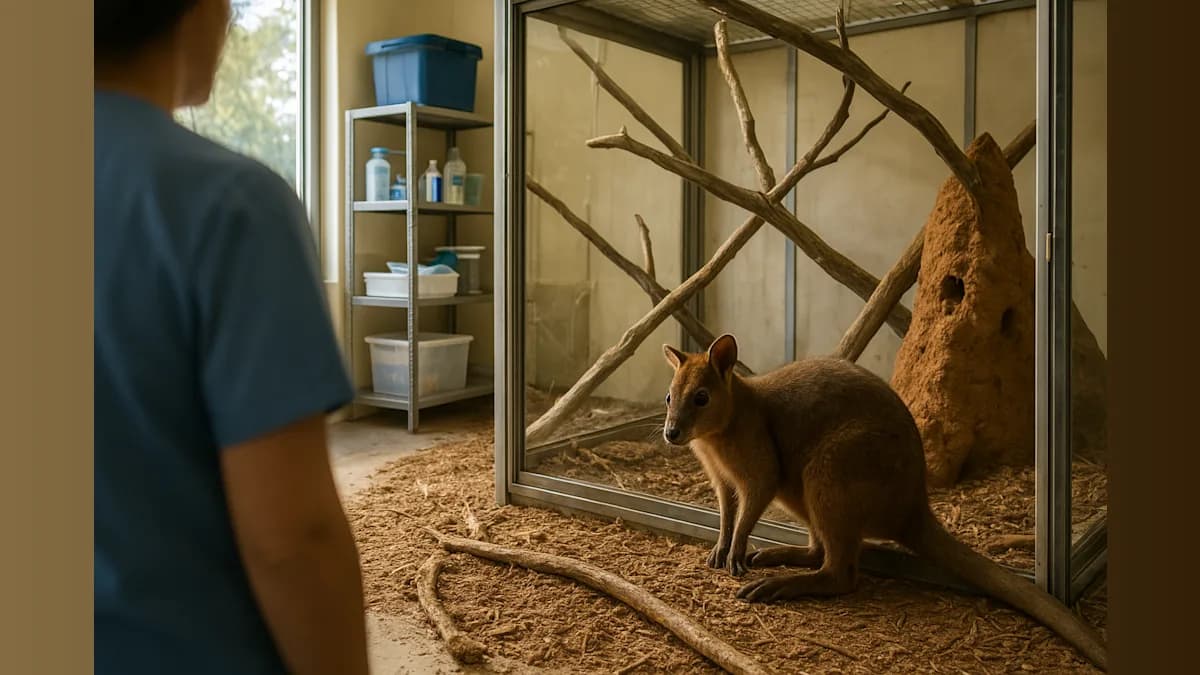
The young pangolin, later named Stevie after the police officer whose sting operation rescued him, faced a long road to recovery. Veterinarian Kelsey Skinner took custody of the pup and embarked on a meticulous six-month rehabilitation process that required both scientific knowledge and extraordinary patience.
Skinner bottle-fed Stevie cat milk formula and walked him daily through natural habitat, flipping rocks to expose ant eggs and gradually reintroducing him to the wild diet his species requires. The rehabilitation represented a significant advancement in pangolin conservation science. When the first rescued pangolin arrived in 2008, experts possessed so little knowledge about the species that they could only release it back into a safe habitat and hope for the best.
The infrastructure that has emerged since then—specialized facilities, trained veterinarians, and collaborative networks—reflects years of painstaking research into how to return these enigmatic creatures to the wild. Pangolins remain poorly understood despite their status as the most heavily trafficked wild mammals on Earth. Their scales are ground into powder for traditional medicine, and their meat is sold as a delicacy, driving a black market trade that threatens their survival across Asia and Africa.
After six months of intensive care, Stevie was released into the Manyoni Private Game Reserve. Conservationists fitted him with telemetry trackers to monitor his adjustment to life in the wild, a critical step in understanding whether rehabilitation efforts truly succeed.
The tracking data has revealed a remarkable outcome. Stevie now regularly visits females in their burrows, exhibiting natural mating behavior that suggests full reintegration into wild pangolin society. Skinner believes the evidence is clear: the once-vulnerable pup rescued from a cardboard box is now almost certainly a father to multiple pangolin pups in the Zululand bush.
The transformation from confiscated trafficking victim to breeding male in a protected reserve represents more than one animal's survival. It demonstrates that with proper expertise and resources, conservation efforts can reverse even the most dire circumstances. Each pangolin pup that Stevie fathers represents a small victory against the illegal trade that nearly claimed his life, and a testament to the dedicated professionals who have built the science of pangolin rehabilitation from virtually nothing.