In an age of endless digital scrolling, one researcher has found purpose in the most analog of pursuits: restoring memory to the forgotten dead.
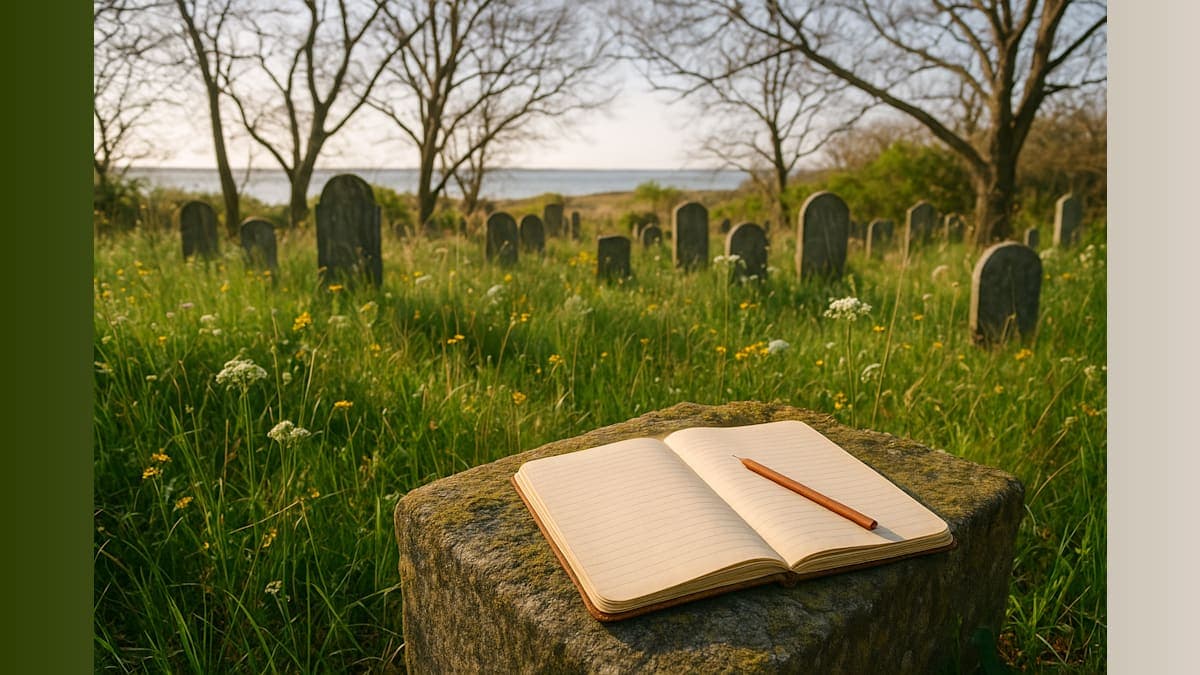
Simon Howard, whose professional work involves helping people trace their ancestral pasts, has taken on an unusual personal project. He walks through overgrown sections of cemeteries, choosing graves at random, then returns home to reconstruct the lives buried beneath the stone.
His videos documenting this work have resonated deeply with viewers confronting their own mortality. One social media user, initially prepared to scroll past Howard's video about researching names on a random grave from 1934, experienced a moment of recognition. The viewer reflected that the realization struck him profoundly: in a century, he too would be just some random person with his own ego, desires and goals, completely forgotten.
What Howard uncovered about George and Reginald Bailey—two brothers who died within days of each other in 1934—represents the kind of sorrow that history absorbs without a trace, unless someone goes looking. The brothers' story, like countless others, had vanished into the silence of nearly a century.
After completing his research, Howard returned to the cemetery to clear the weeds from the brothers' overgrown grave. He placed two small white flowers on the tombstone and spoke words that acknowledged their existence: "Rest in peace, Reginald and George. We will remember you."
Howard's efforts constitute a quiet argument that every life contains a world worth knowing. His work suggests that the simple act of looking—truly looking—is itself a form of love, a recognition that extends beyond family ties or personal connection to embrace our shared humanity.
In choosing graves at random rather than focusing solely on notable figures or family connections, Howard democratizes remembrance. His approach acknowledges that significance does not require fame or achievement, but simply the fact of having lived, loved, and left some trace upon the earth.
The project raises profound questions about memory, legacy, and what we owe to those who came before us. As cemeteries age and families disperse, countless graves fall into neglect. Howard's work serves as a reminder that behind every weathered headstone lies a complete human experience—joy and sorrow, ambition and disappointment, connection and loss.
For those who encounter his videos, the impact often transcends mere historical curiosity. The work prompts reflection on our own inevitable passage into the past and the hope that someone, someday, might pause to acknowledge that we too once walked this earth with purpose and feeling.