In 1868, during the transformative period of Reconstruction, Alfred Richardson and Madison Davis achieved a historic milestone by becoming the first black legislators elected in Athens, Georgia. Their election represented a dramatic shift in political power and possibility for African Americans in the South following the Civil War.
The significance of Richardson and Davis's achievement cannot be overstated. At a time when the nation was grappling with the fundamental question of citizenship and political participation for formerly enslaved people, these two men stepped into positions of legislative authority in a community that had been built on the institution of slavery just years earlier.
However, their groundbreaking service was met with fierce resistance. The backlash against Richardson and Davis was immediate and severe, reflecting the broader pattern of violent opposition to black political participation that characterized the Reconstruction era across the South. White supremacist groups and political opponents worked systematically to undermine, intimidate, and ultimately remove black elected officials from power.
The consequences of that backlash continue to reverberate in Athens and communities throughout Georgia today. The systematic disenfranchisement that followed Reconstruction established patterns of racial inequality in political representation, economic opportunity, and social structure that persisted for generations.
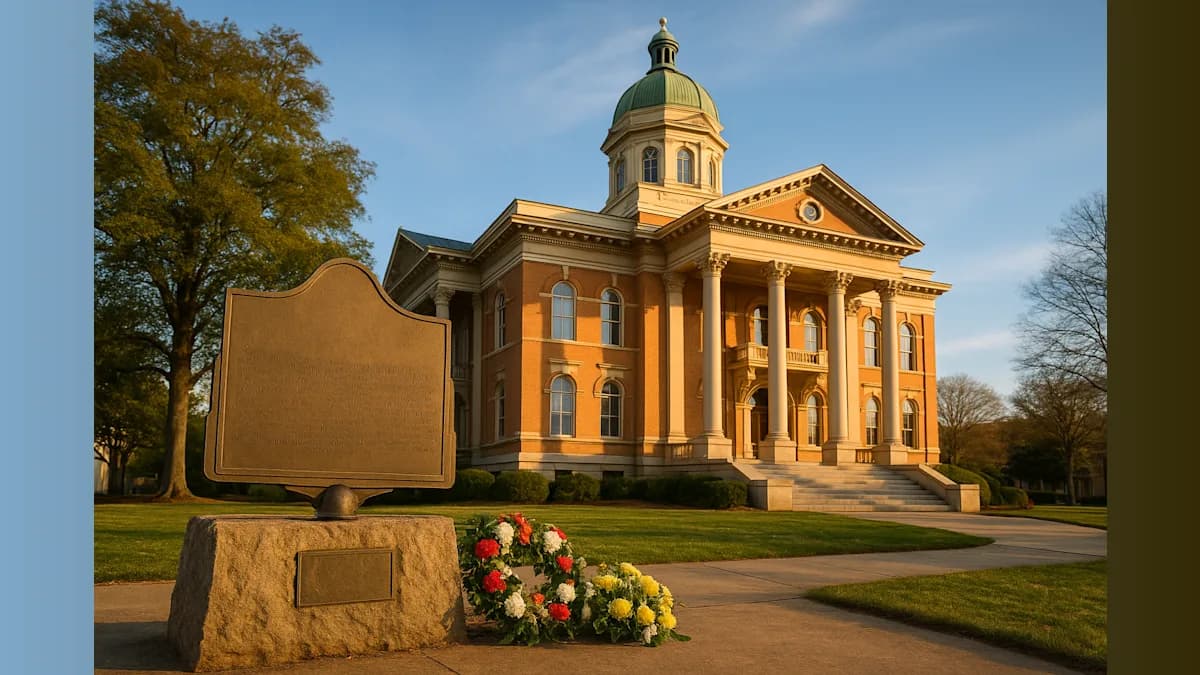
Now, more than a century and a half after Richardson and Davis took office, historians and community advocates are working to revive and honor their legacies. This effort represents part of a broader national reckoning with the history of Reconstruction and its violent suppression—a period that has often been overlooked or misrepresented in traditional historical narratives.
The work to commemorate these pioneering legislators serves multiple purposes. It restores to public memory the achievements of black political leaders who were deliberately erased from historical records. It provides context for understanding contemporary struggles over voting rights and political representation. And it offers an opportunity for communities to confront difficult truths about their past while honoring those who fought for equality and justice.
The story of Alfred Richardson and Madison Davis is ultimately one of courage in the face of overwhelming opposition. Their willingness to serve despite the dangers they faced exemplifies the determination of black Americans to claim their rightful place in democratic governance. As efforts continue to revive their legacies, their example remains relevant to ongoing conversations about representation, justice, and the unfinished work of building a truly inclusive democracy.