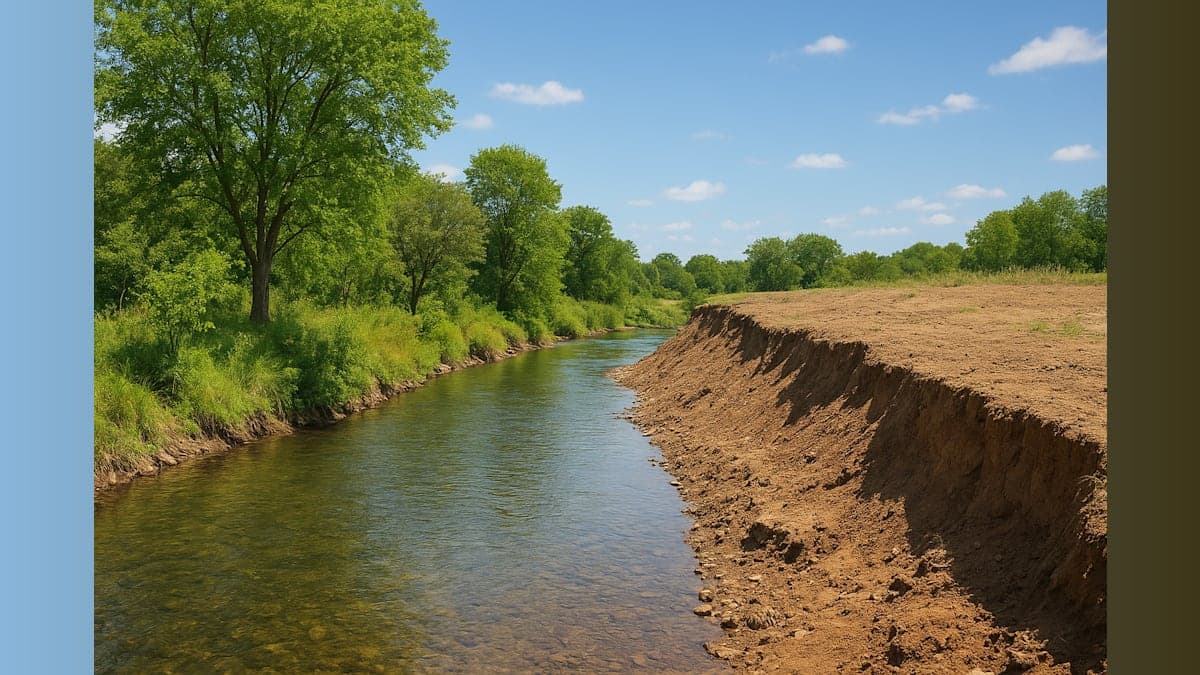
A dramatic environmental restoration is underway along the River Lugg in Herefordshire, England, where nature is reclaiming a stretch of riverbank devastated by illegal dredging operations six years ago. Recent photographs document the landscape's transformation from barren, stripped earth to a recovering ecosystem with new vegetation and returning wildlife.
In 2020, farmer John Price used an 18-ton digger to dredge a section of the River Lugg near Leominster, removing every tree from a mile-long stretch of one of Britain's most important salmon rivers. The operation involved illegally extracting tons of gravel from the riverbed to construct a road and horse yard at his residence, while also removing 71 trees from the riverbank.
A judge sentenced Price to 12 months in jail in 2023, characterizing his actions as ecological vandalism on an industrial scale. The court proceedings revealed that while Price claimed his work aimed to protect nearby hamlet residents from flooding, the environmental consequences proved devastating to local wildlife populations.
Price was convicted of seven offenses and ordered to pay £600,000 in addition to requirements that he replant trees and restore both the riverbed and bank. Local supporters of the farmer maintained that he had simply followed practices common among previous generations of farmers in the area.
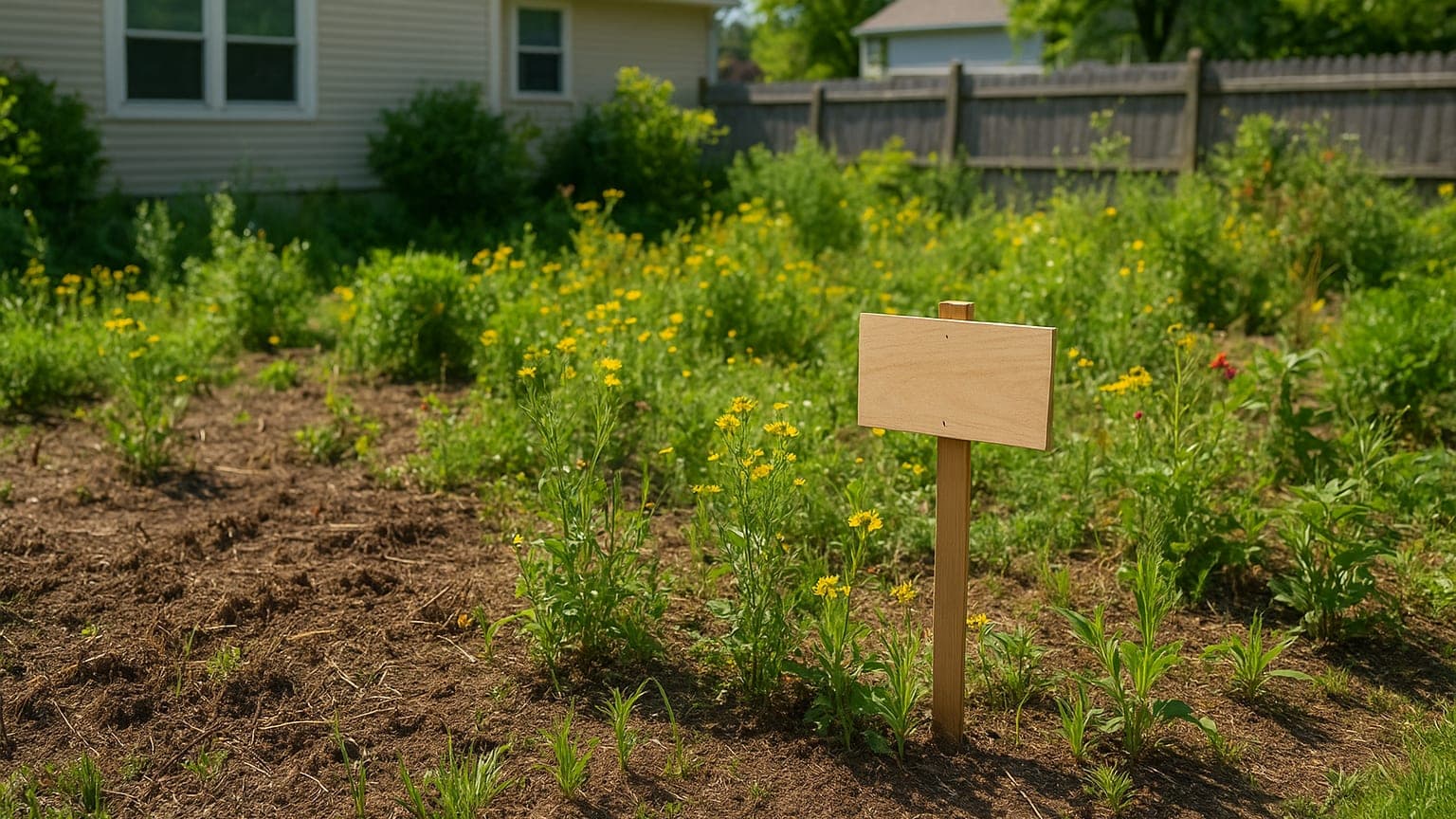
Photographs comparing the site in 2020 to images captured on Monday, June 2, 2026, reveal substantial natural regeneration. New trees, bushes, and greenery now populate areas that were completely barren six years ago, demonstrating the landscape's capacity for recovery when left undisturbed.
Environmental designer Richard Fishbourne emphasized both the positive aspects of natural recovery and the severity of the original damage. The volume of gravel removed merely to construct a road was shocking, he noted, adding that building the complex community of species and habitat that existed before can require decades. While natural regeneration offers reason for optimism, the restoration of full biodiversity in the affected area will demand considerable time.
Official monitoring conducted by Britain's Environment Agency and Natural England confirms measurable improvement in the river's condition. The waterway now supports populations of trout, bullhead, and minnows, while key indicator species including kingfishers and sand martins have returned to the area.
Emma Johnson, West Midlands deputy director for Natural England, acknowledged the progress while noting that habitats for iconic wildlife such as otters and salmon had been destroyed along the 1.5 kilometer stretch of river. The recovery timeline for these species and their ecosystems extends well beyond the six years that have elapsed since the initial damage.
The case illustrates both the fragility of riverine ecosystems and their resilience when given opportunity to recover. The River Lugg's gradual restoration serves as evidence that natural processes can reverse significant environmental damage, though the timeline for complete recovery remains uncertain and likely extends years into the future.