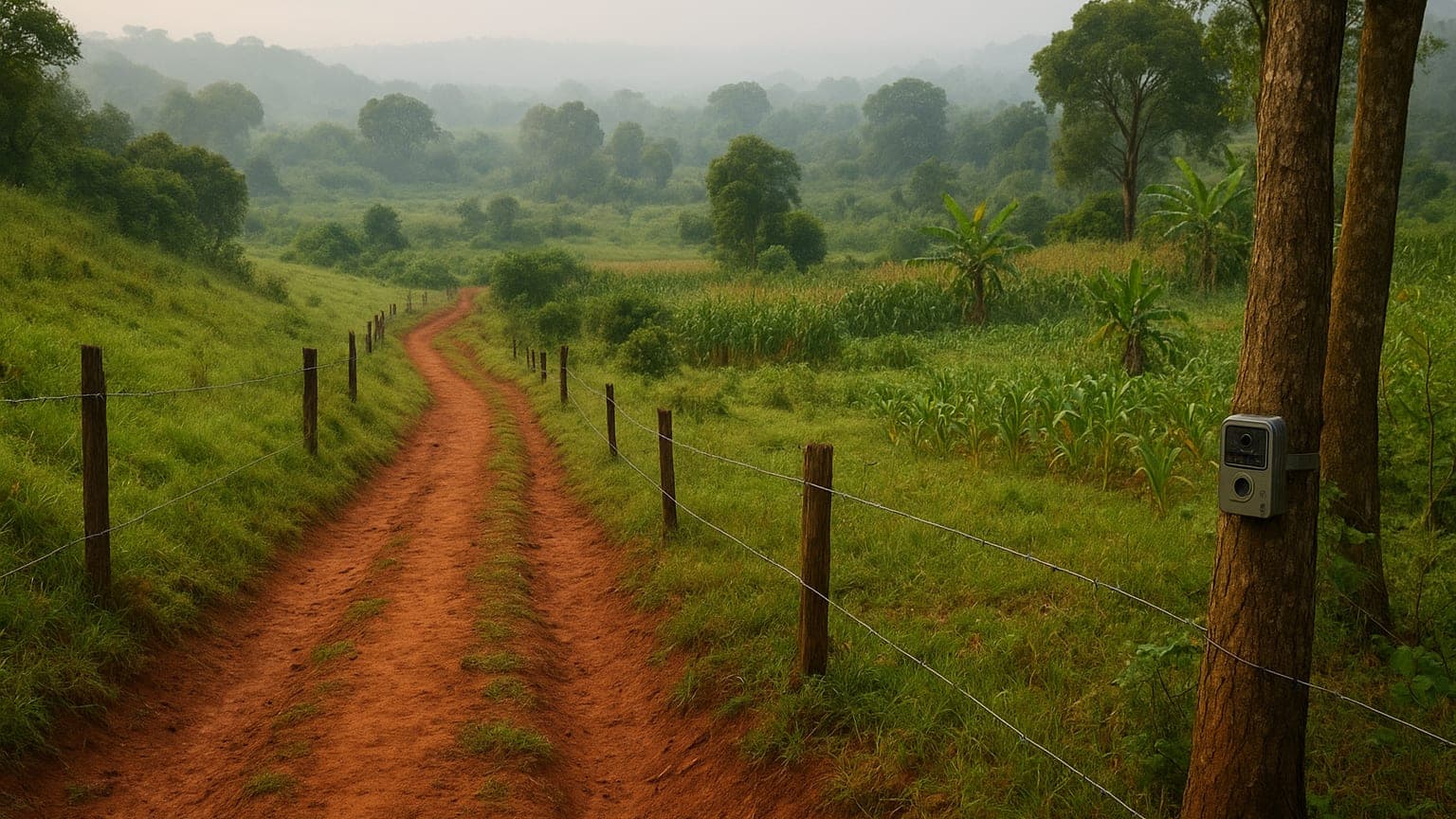
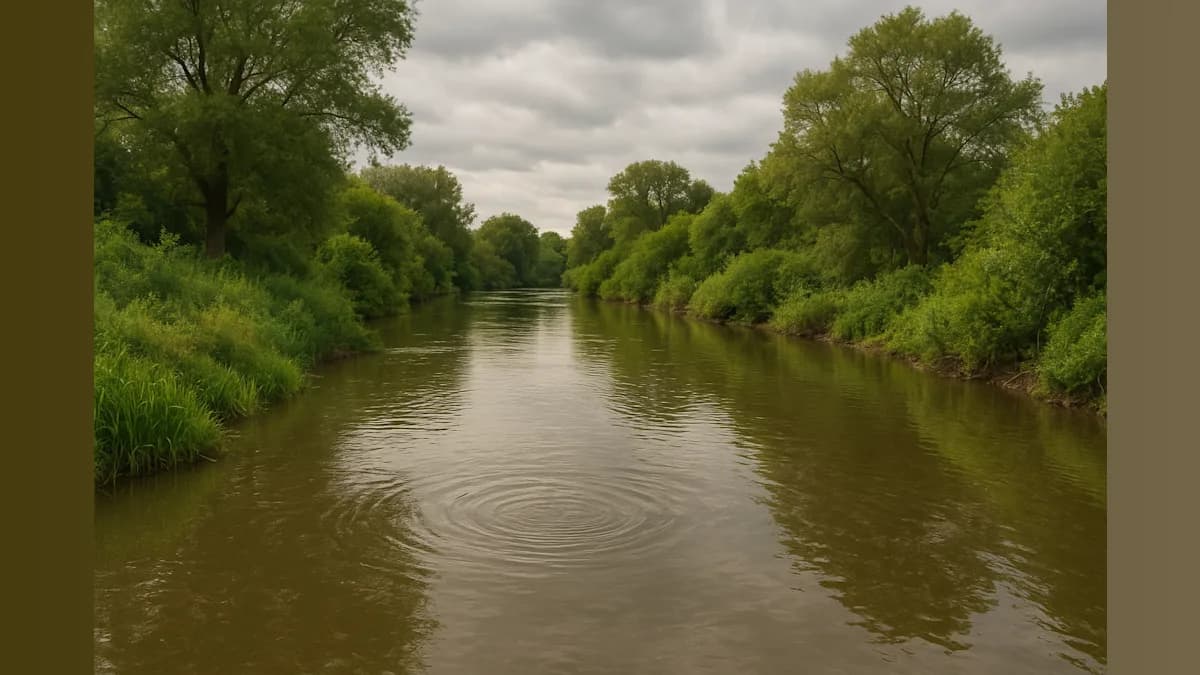
A motion-activated camera positioned along the Bronx River captured an extraordinary moment on June 23rd when a river otter darted past the lens, providing the first documented evidence of the species in the Bronx in approximately 100 years. The sighting represents a significant milestone in the ecological restoration of a waterway once considered among the most neglected urban rivers in the nation.
Local scientist RJ Hawkins deployed the camera as part of long-term wildlife monitoring efforts conducted in partnership with the Wildlife Conservation Society's Education Department, which operates from the Bronx Zoo. Hawkins, a graduate of the Miami University of Ohio Advanced Inquiry Program hosted at the Bronx Zoo, was conducting ongoing camera trap surveillance for wildlife along the river when the otter appeared.
"When I first reviewed the images, I could hardly believe what I was seeing," Hawkins said in a statement. "Knowing this may be the first documented river otter in the Bronx in generations was an incredible moment. It shows why long-term wildlife monitoring and environmental restoration efforts matter."
The appearance of a river otter carries particular significance because the species serves as an indicator of healthy freshwater ecosystems. River otters require clean water, abundant fish populations, and intact river habitats to survive. Their historical disappearance from New York waterways resulted from pollution, habitat degradation, and unregulated trapping.
Craig Piper, the Wildlife Conservation Society's Interim Executive Vice President of Zoos & Aquarium and Director of the Bronx Zoo, characterized the sighting as a validation of extensive restoration work.
"There are moments in conservation that remind us why this work matters, and this is one of them," Piper said in a statement. "Thanks to a broad coalition of public and private partners, we can celebrate the return of an otter as a result of decades of restoration work to provide cleaner water and healthier habitat. It's a win for both wildlife and people."
The Bronx River has undergone a dramatic ecological transformation over recent decades. Once heavily polluted and regarded as one of the most neglected urban rivers in the country, the waterway has benefited from sustained restoration efforts led by public agencies, nonprofit organizations, community volunteers, and conservation partners.
The otter sighting follows another historic wildlife return to the river. In 2007, beavers reappeared in the Bronx River for the first time in more than 200 years, signaling improving environmental conditions. The arrival of a river otter suggests the ecosystem continues to recover and become more hospitable for native species that vanished generations ago.
Researchers emphasize that a single observation does not necessarily confirm a resident otter population has established itself in the area. However, the discovery demonstrates that the Bronx River has reached a level of ecological health capable of supporting wildlife that has been absent for approximately a century.
Javier Lopez with the Bronx River Alliance connected the otter's appearance to decades of community-driven environmental advocacy.
"This otter's return is a gift, not just to the Bronx River but to the communities that have fought for 50 years to bring this river back to life," Lopez said in a statement. "Today, this otter reminds us that when we invest in nature, nature responds, and when communities lead, change is possible."
The discovery underscores the potential for urban waterways to recover from severe environmental degradation when sustained restoration efforts are implemented. The Bronx River's transformation from a heavily polluted waterway to an ecosystem capable of supporting sensitive wildlife species represents a conservation success story decades in the making.