As wildfires scorched multiple Spanish regions during Europe's recent heat dome, one protected area remained remarkably untouched. Doñana National Park has not experienced a wildfire in nine years, and the credit belongs to a four-legged workforce that operates at a decidedly unhurried pace.
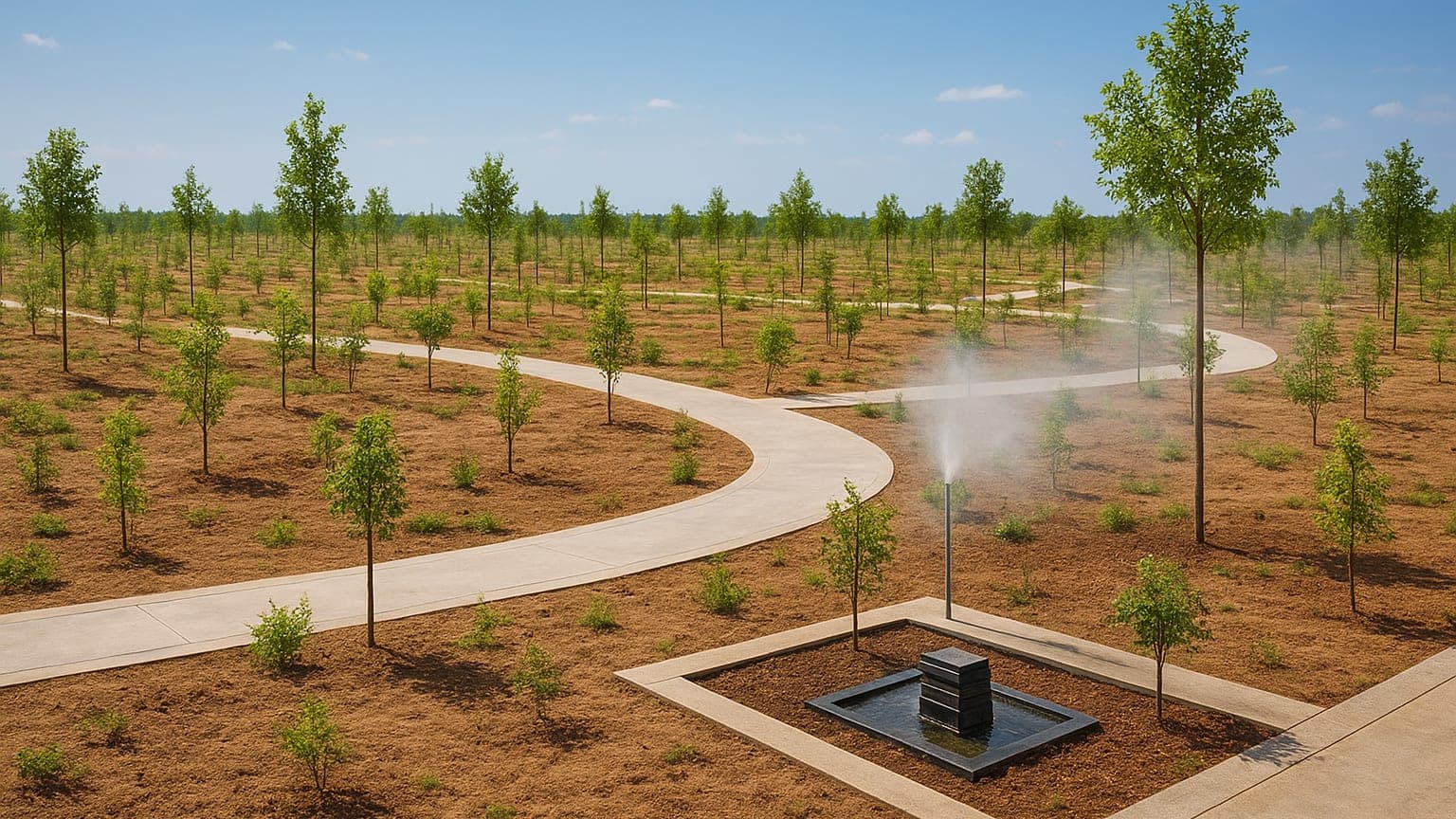
Donkeys now serve as the park's primary defense against fire, methodically consuming the grasses and shrubs that would otherwise become combustible fuel during dry seasons. These animals graze freely along firebreaks measuring 130 to 150 feet in length, transforming potential hazards into their daily meals.
Individual donkeys such as Leonor, Ainoa, and Ume maintain demanding schedules from March through November, working seven hours daily while consuming approximately eight gallons of water. The approach may appear technologically primitive, yet it delivers superior results compared to sheep and goats while maintaining minimal environmental impact—a crucial consideration for Doñana, which provides essential habitat for Iberian lynx and serves as a stopover for birds migrating between Europe and Africa.
The success of donkey fire brigades has prompted replication across Spain, particularly in regions facing escalating wildfire threats within naturally arid pine forests. Some researchers examining the intensification of wildfires have identified the historical removal of donkeys from Spanish landscapes as a contributing factor to increasingly severe burns.
Donkeys have labored alongside humans for thousands of years longer than horses, serving as dependable draft animals across Spanish fields and forests for millennia. However, industrialization and rural depopulation eliminated these grazing animals from the countryside, while native wildlife that once filled similar ecological roles had already been displaced or eliminated. The resulting absence of large grazers allowed understory vegetation and woody shrubs to proliferate unchecked, creating dangerous conditions when this growth dries during intense summers.
According to National Geographic, regions including Galicia, Catalonia, Ourense, Navarre, and the Basque Country have all established donkey brigades following Andalusia's pioneering example.
Joan Cedó, who launched Catalonia's Tivissa Donkeys Firefighters program in 2020, emphasized the animals' effectiveness to National Geographic. A donkey weighs three times more than a goat, he explained, allowing it to break up vegetation more efficiently through its movement. Additionally, a donkey consumes roughly ten times more food than a goat, resulting in substantially greater daily impact on fire-prone vegetation.
Cedó reported that his municipality has experienced zero wildfires since introducing donkeys to the landscape.
Spain employs additional grazing animals for fire prevention beyond donkeys. The Fire Flocks Project, initiated in 2016, identified locations where fires most frequently ignited and burned most intensely, then deployed grazing animals strategically. The initiative created a premium brand of meat and dairy products generated by 22 shepherds—half of them new to the profession—who graze sheep, goats, and cattle across 600 fire-prone areas throughout the country.
The donkey firefighting model demonstrates how traditional agricultural practices can address contemporary environmental challenges. By reintroducing animals that historically shaped Spanish ecosystems, land managers have discovered an effective, sustainable method for reducing wildfire risk while preserving the ecological integrity of protected areas.