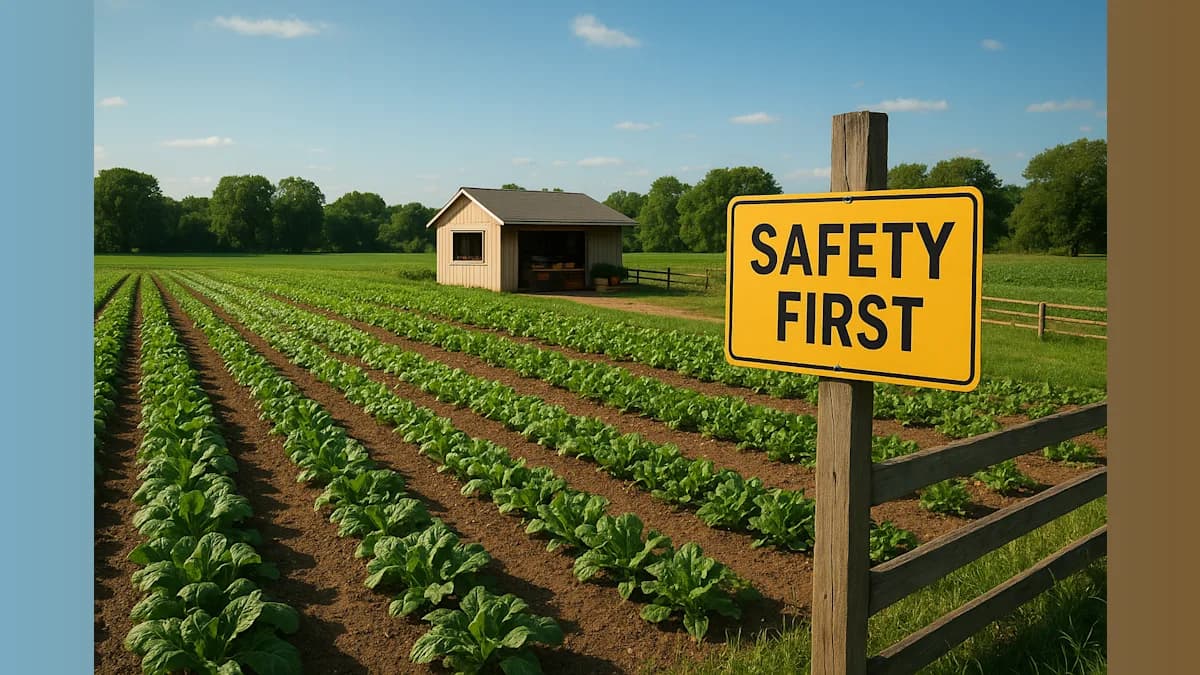
Our state's agriculture secretary is addressing concerns about food safety as health officials investigate a cyclosporiasis outbreak, making clear that New Jersey-grown produce remains safe for consumers.
Edward D. Wengryn, who leads the New Jersey Department of Agriculture, released a letter to residents this week clarifying that investigators have found no connection between locally grown fruits or vegetables and the diarrheal illness cases under review. Both state and federal health experts continue monitoring the situation.
The secretary emphasized the rigorous oversight that protects consumers who buy from Garden State farms. Producers enrolled in the Jersey Fresh program must comply with federal Food Safety Modernization Act (FSMA) requirements while also meeting the program's own strict quality benchmarks.
While New Jersey produce hasn't been implicated, state health and agriculture officials are using this moment to remind everyone about basic food safety practices that prevent illness year-round.
The guidance from the New Jersey Department of Health and New Jersey Department of Agriculture includes several straightforward steps: Always use soap and water to clean your hands both before you start handling produce and after you finish. Give all fruits and vegetables a thorough rinse under running tap water, regardless of whether you intend to remove the peel. For items with firm surfaces like melons or cucumbers, use a dedicated produce brush to scrub the exterior. Remove any sections that appear damaged or bruised before consumption. Finally, store any produce you've cut, peeled, or cooked in the refrigerator without delay.
The timing of this guidance comes as New Jersey farms enter peak season for beloved local crops including corn, tomatoes, and blueberries. The state's agricultural reputation depends on both the quality of what farmers grow and the safety protocols they follow.
Cyclosporiasis is caused by a microscopic parasite and typically results in watery diarrhea, stomach cramps, nausea, and fatigue. The illness has been linked to imported produce in past outbreaks, though the current investigation's scope remains ongoing.
For residents who support local agriculture by shopping at farm stands and farmers markets, the message from state officials is clear: New Jersey produce continues to meet high safety standards, and following basic food handling practices at home provides an additional layer of protection for your family.

About the Author
Peter Killeen
A 25-year radio news veteran, Peter covers South Jersey for NewsTalk 1400 & 92.3 WOND radio. Known for his concise and impactful delivery, he ensures listeners and readers stay informed without unnecessary filler.