
The United States Supreme Court issued an order Monday allowing Texas to enforce a controversial law that significantly restricts minors' access to mobile application stores. The decision marks a pivotal moment in the ongoing legal battle over children's digital rights and parental control in the internet age.
Through an unsigned and unexplained order, the nation's highest court permitted the App Store Accountability Act to take effect while litigation continues in lower courts. Multiple organizations had challenged the statute, contending it violates constitutional protections for children's freedom of speech.
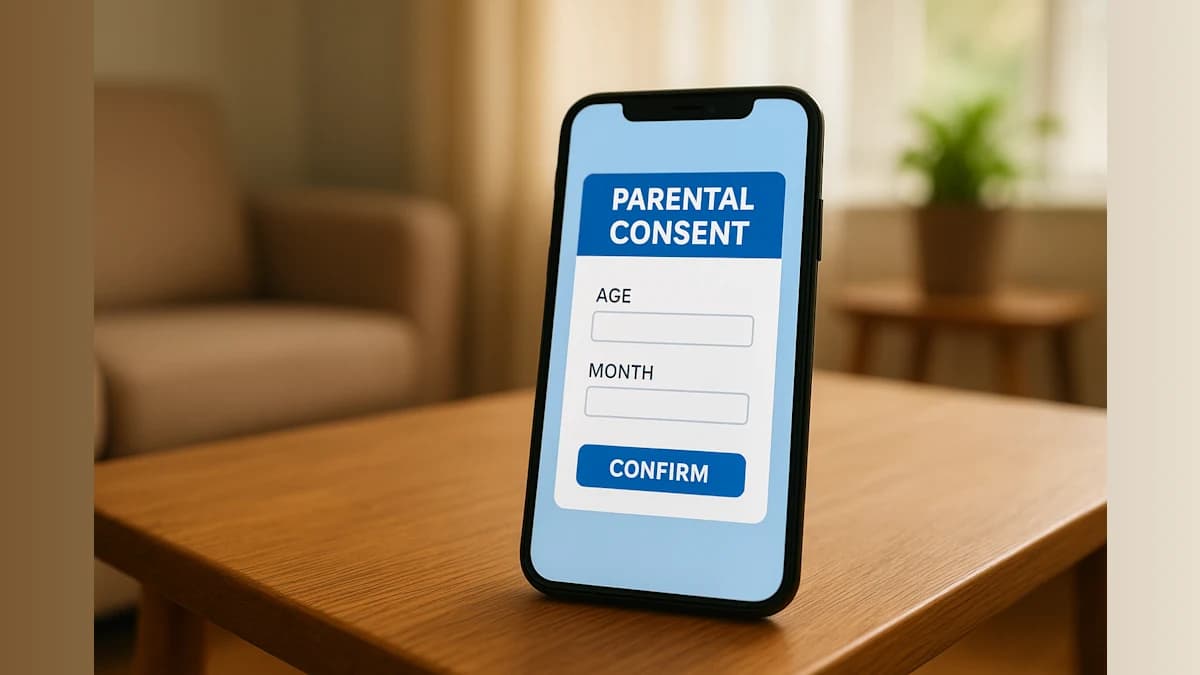
Texas enacted the App Store Accountability Act in 2025. The legislation mandates that application stores verify the ages of all users and prohibits individuals under 18 years of age from downloading most applications without explicit parental consent. State officials informed lower courts that legislators crafted the measure to shield minors from exposure to harmful material.
The law's scope is notably expansive. With only narrow exceptions for applications developed by emergency services and organizations administering college entrance examinations, children must obtain parental approval before downloading virtually any other application. This requirement extends to widely used platforms such as Instagram, library applications, and news organization applications.
Legal opponents of the statute argued that such sweeping restrictions clearly violate established Supreme Court precedents recognizing substantial free speech rights for children. A lower court initially agreed, blocking the law's implementation with a ruling that stated the measure prohibits minors from participating in the democratic exchange of views online.
Texas defended the legislation by characterizing it as regulation of commercial speech, which receives less constitutional protection than other forms of expression. This legal strategy proved persuasive to the conservative Fifth Circuit Court of Appeals, which reinstated the law in June following the initial injunction.
Monday's Supreme Court action does not constitute a final determination of the law's constitutionality. Rather, it permits enforcement to continue while the case proceeds through additional rounds of litigation in lower courts. However, legal experts note that the Court's refusal to intervene at this juncture represents at least a preliminary signal favoring the state's position.
The Texas statute is part of a broader trend among state legislatures seeking to regulate minors' online activities. Utah, Louisiana, and Alabama have enacted similar measures restricting young people's access to digital platforms and content.
This case represents the latest chapter in the Supreme Court's evolving jurisprudence regarding children's internet access. Last year, the Court upheld a separate Texas law requiring pornographic websites to verify users' ages. However, the Court has historically applied different constitutional standards to restrictions on minors' access to pornography compared to other types of content regulation.
The practical implications of the ruling are significant for Texas families. Parents must now actively manage their children's ability to download applications, creating a new layer of oversight in household technology use. Application store operators face the technical and logistical challenge of implementing age verification systems and parental consent mechanisms.
As the case returns to lower courts for further proceedings, the outcome will likely influence similar legislative efforts nationwide. The tension between protecting children from potentially harmful content and preserving their constitutional rights to access information and participate in public discourse remains at the heart of this legal dispute.