When a six-year-old student proposes a "buddy bench" for lonely classmates and watches the idea materialize in the schoolyard, something fundamental shifts in how that child perceives their capacity to effect change. This transformation lies at the heart of Smart School Councils, a UK charity that has developed a platform enabling even the youngest pupils to participate meaningfully in shaping their educational environment.
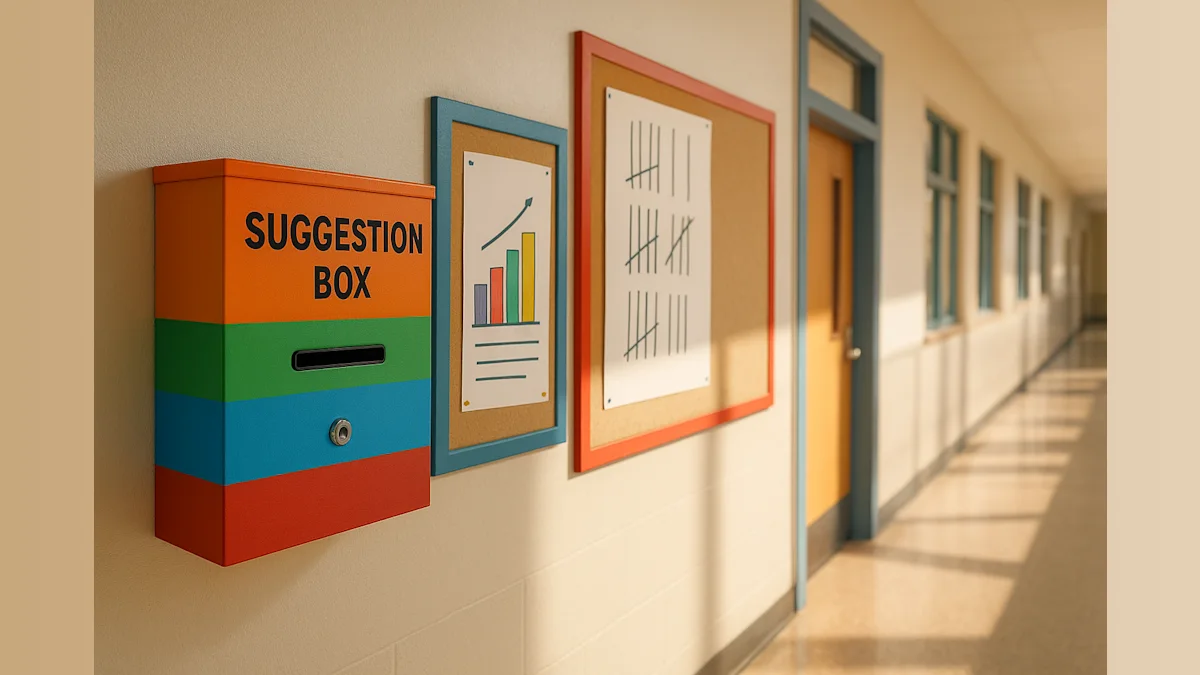
Founded by former teacher Greg Sanderson, Smart School Councils operates on a deceptively simple premise: provide children with structured opportunities to voice their ideas and concerns about school life. The results have been striking. Nearly 90 percent of participating students now report feeling listened to, a metric that carries implications far beyond the schoolyard.
Sanderson's vision emerges against a troubling backdrop. As trust in democratic institutions continues to erode and young people grow increasingly disenchanted with political processes, the charity's work suggests that civic confidence cannot be manufactured in adulthood. Instead, it must be cultivated through early, tangible experiences of democratic participation.
Assistant headteacher Ellie Nott articulated the long-term significance of this approach. "If you can look back and say, 'I had an idea when I was six, and somebody listened, and then it happened', that will stand children in good stead, hopefully, to vote when they're older," Nott explained, speaking to DailyGood.
The observation points to a critical insight about democratic engagement. Political apathy and distrust do not begin when citizens reach voting age. Rather, they develop over years of learning, consciously or otherwise, that individual voices carry no weight in collective decisions. Smart School Councils attempts to interrupt this pattern at its source.
The platform provides structure without stifling creativity. Students learn to articulate concerns, propose solutions, and navigate the practical constraints of implementation. When a buddy bench appears on the playground or a new library policy takes effect, children witness the direct connection between their advocacy and tangible outcomes.
This experiential learning carries lessons that extend well beyond school governance. Children develop skills in deliberation, compromise, and collective action. They learn that change requires both vision and persistence, that not every idea will succeed, and that participation itself holds value even when outcomes disappoint.
The broader implications deserve attention. If democratic systems fail, the collapse rarely begins at the ballot box. It begins when people internalize the belief that their participation makes no difference, that power resides exclusively elsewhere, that their voice carries no authority in shaping the communities they inhabit.
Smart School Councils suggests an alternative trajectory. By creating environments where even young children experience genuine agency, schools can foster a generation that approaches civic life with confidence rather than cynicism. The buddy bench becomes more than a solution to playground loneliness. It becomes evidence that democracy, practiced authentically, actually works.