The key to unlocking superior cooking skills may already be sitting in your refrigerator, waiting to be discarded. A growing movement in culinary circles emphasizes the transformative potential of leftover ingredients, challenging conventional wisdom about what belongs in the trash bin versus what deserves a second life on the dinner table.
According to NPR's Life Kit series, many classic dishes that home cooks cherish actually originated from ingredients that would otherwise be thrown away. Fried rice, bread pudding, and homemade broth represent just a few examples of how resourceful cooking can transform yesterday's meals into today's culinary triumphs.
This philosophy extends beyond simple meal planning or budget consciousness. Rethinking leftovers fundamentally alters the approach to cooking itself, encouraging creativity and reducing the environmental impact of household food waste. When cooks view remnants not as refuse but as raw materials, they open themselves to new techniques and flavor combinations that might otherwise remain unexplored.
The practice of utilizing every component of purchased ingredients has deep roots in culinary traditions worldwide. Professional chefs have long understood that vegetable scraps create rich stocks, stale bread becomes the foundation for elegant desserts, and yesterday's rice achieves superior texture when stir-fried. These techniques, once born of necessity, now represent sophisticated approaches to flavor development and texture manipulation.
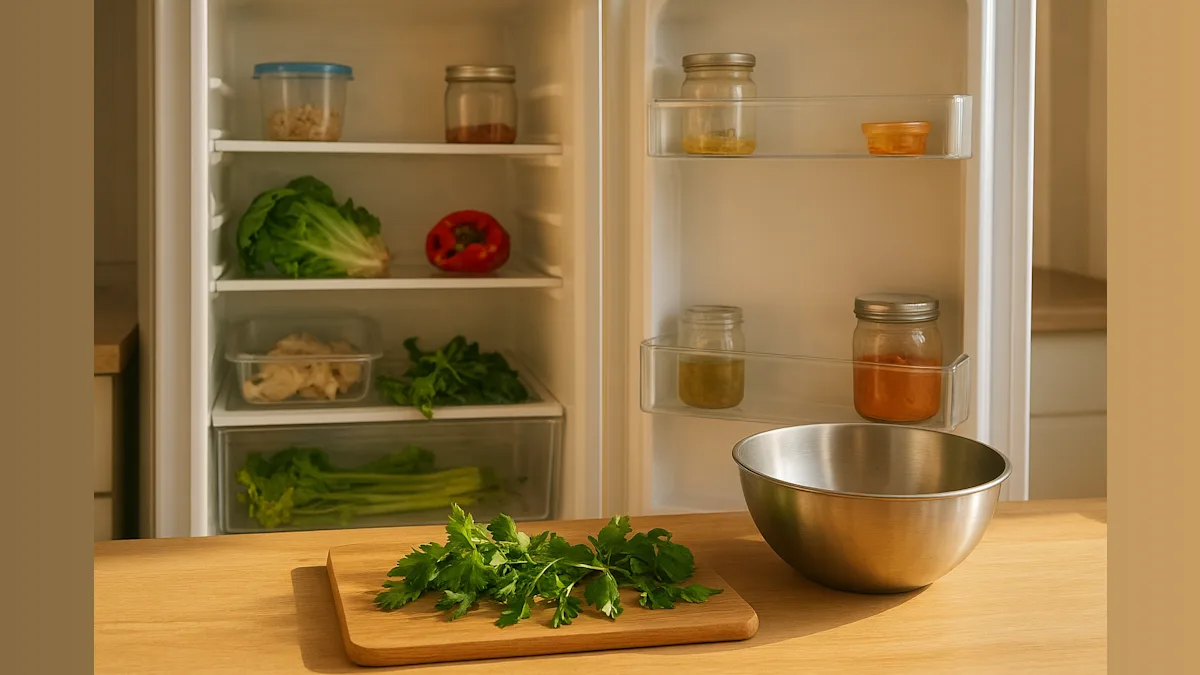
For home cooks seeking to adopt this mindset, the shift requires reconsidering what constitutes waste. Chicken bones and vegetable trimmings become broth. Overripe fruit transforms into compotes or baked goods. Wilting herbs find new purpose in pestos or compound butters. Each ingredient possesses potential beyond its initial presentation.
The environmental implications prove equally significant. American households discard substantial quantities of edible food annually, contributing to landfill waste and squandering the resources invested in food production. By maximizing the utility of purchased ingredients, home cooks can meaningfully reduce their environmental footprint while simultaneously expanding their culinary capabilities.
This approach to cooking demands neither specialized equipment nor advanced technical skills. Rather, it requires a fundamental shift in perspective—viewing the kitchen as a place where nothing need go to waste, where creativity flourishes from constraint, and where yesterday's dinner becomes tomorrow's inspiration. The secret to better cooking, it appears, has been hiding in plain sight all along.