
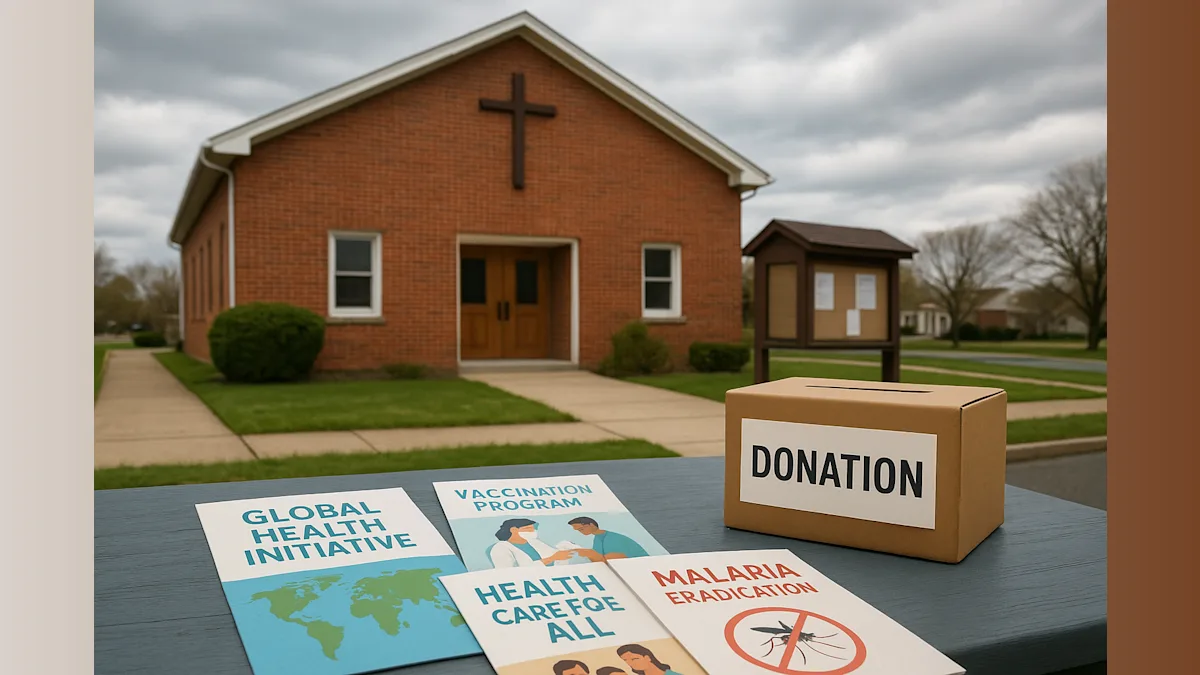
The Trump administration unveiled a $2 billion funding initiative on Wednesday, August 12, 2026, directing federal resources to faith-based organizations for global health programs.
The announcement represents a significant federal investment in religious organizations working on international health challenges. The White House has defended the decision by asserting that faith-based groups deliver services with greater efficiency than other types of organizations.
However, that efficiency claim has drawn scrutiny from experts in the field. Specialists are questioning whether evidence supports the administration's position that faith-based organizations consistently outperform secular counterparts in global health delivery.
The funding commitment signals a policy direction that prioritizes partnerships with religious institutions for overseas health work. Faith-based groups have long participated in international development and humanitarian efforts, operating clinics, distributing medical supplies, and providing health education in underserved regions worldwide.
The debate over the $2 billion allocation centers on whether faith-based organizations possess inherent operational advantages or whether the administration's preference reflects ideological rather than empirical considerations. Critics of the approach argue that funding decisions should be based on demonstrated outcomes and cost-effectiveness rather than organizational affiliation.
The announcement comes as the administration continues to reshape federal approaches to international aid and development assistance. How the $2 billion will be distributed among faith-based organizations and what specific health challenges the funding will address remain central questions as the initiative moves forward.