The Trump administration finalized a rule Friday that fundamentally alters how federal agencies enforce the Endangered Species Act, eliminating a longstanding protection for imperiled wildlife against industrial activities including logging, oil drilling, and mining.
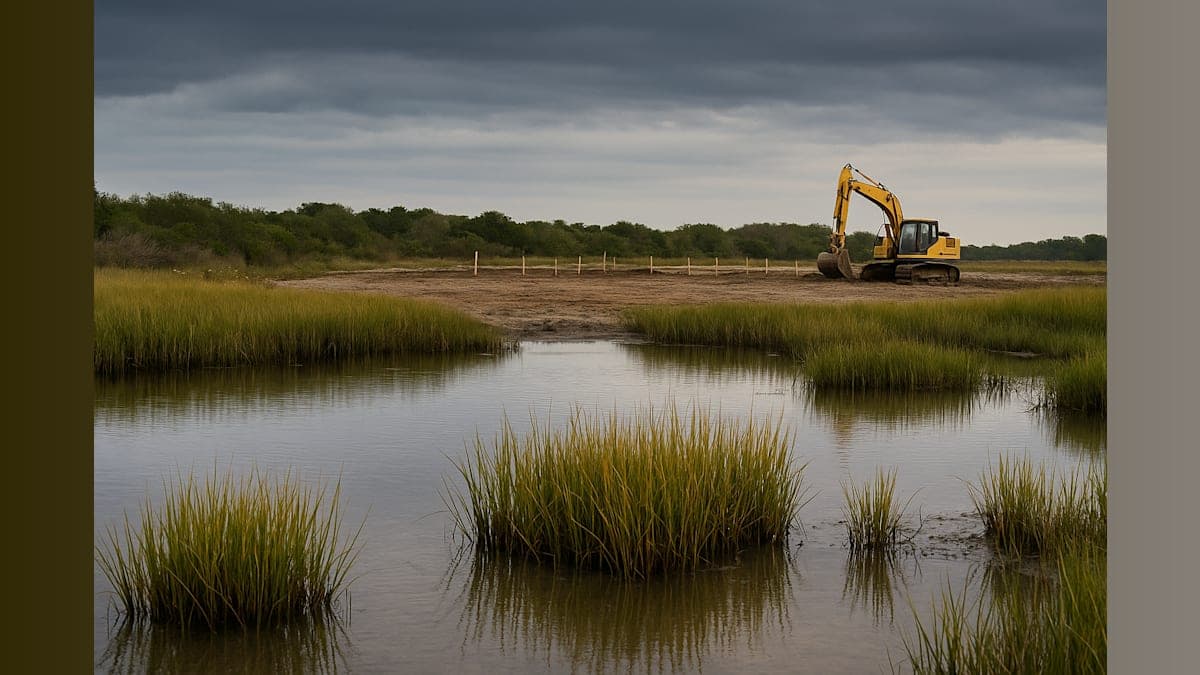
The administration narrowed the legal definition of "harm" under the landmark 1973 environmental law, a change carrying broad implications for wildlife conservation across the nation. For decades, the federal government interpreted harm broadly to include encroachments on habitats where threatened and endangered animals live. The revised definition announced Friday would permit oil and gas drilling, mining, logging, and other development activities on critical wildlife habitats provided the animals themselves are not directly killed or injured.
The policy shift represents a significant departure from established conservation practices and has ignited fierce debate between environmental advocates and industry representatives. Environmentalists have warned the move could drive some species to extinction by opening the door to habitat destruction, which wildlife advocates identify as the leading cause of species loss. Industry representatives and their Republican allies, however, have long contended the Endangered Species Act has been applied too expansively, hampering economic growth and development.
"For years, federal agencies abused the ESA to obstruct lawful land use and burden American families and businesses," Interior Secretary Doug Burgum said in a statement.
Administration officials defended the regulatory change as a return to the law's original congressional intent, citing a 2024 Supreme Court decision that curtailed the authority of federal agencies to interpret environmental statutes passed by Congress. Officials characterized the government's previous definition of harm as an overreach that infringed upon private property rights.
The rule represents one element of a broader suite of changes to wildlife protections pursued under President Donald Trump. The administration first proposed the change in April 2025, and environmentalists mounted an unsuccessful legal challenge to block its implementation.
"This is one of the most horrific attempts to harm wildlife in American history and a gift to the oil barons and foreign mining companies," said Aaron Weiss, the executive director of the Center for Western Priorities.
The Endangered Species Act has been credited with rescuing iconic American wildlife from the brink of extinction, including the bald eagle, American alligator, and California condor. The law's success stories have made it one of the most celebrated environmental statutes in United States history.
This marks the second time Republicans have rolled back provisions of the law during a Trump administration. Several changes made during President Trump's first term were subsequently reversed under Democratic President Joe Biden, setting up a pattern of regulatory whiplash on wildlife protection policy.