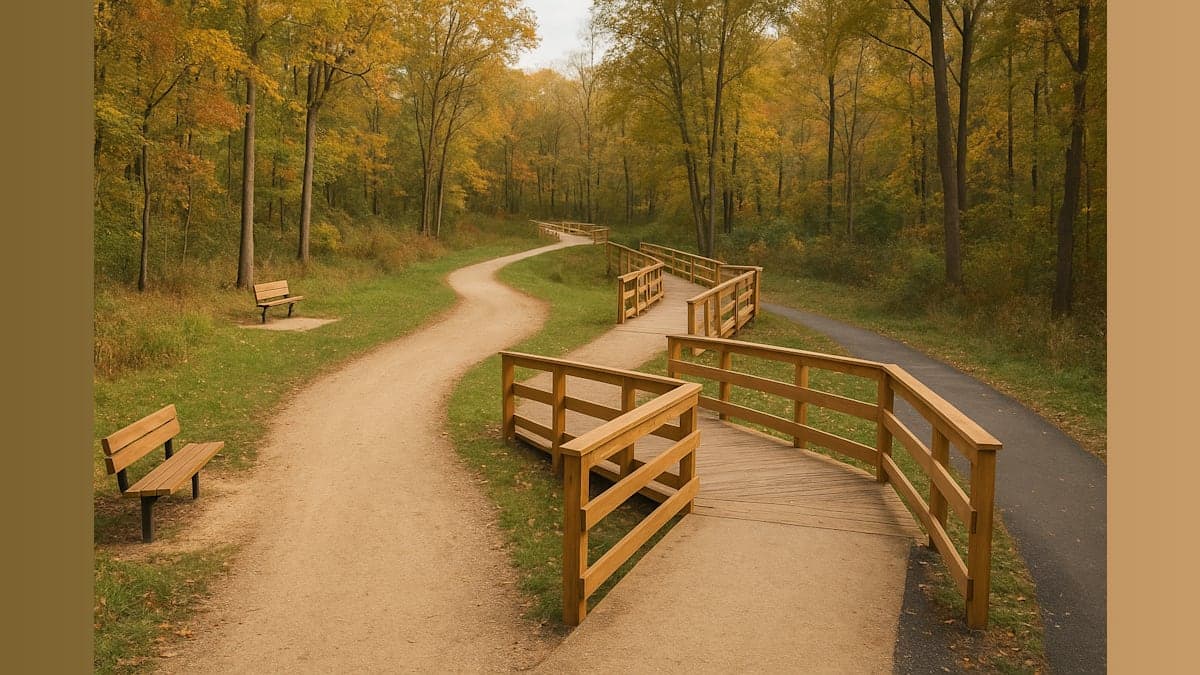
Mountain bike enthusiasts developing Vermont's ambitious 485-mile Velomont trail are working to ensure the multi-use path accommodates disabled athletes from the outset, conducting detailed accessibility assessments and building adaptive-friendly accommodations along the route.
The collaborative project will span the length of the state when completed, connecting 27 communities and knitting together existing trail networks with huts and hostels for overnight stays. After years spent securing permits and gathering public input, new trail construction is finally accelerating.
Angus McCusker, the Velomont trail director with the nonprofit Vermont Huts and Trails, emphasized that incorporating adaptive design requires minimal additional effort during the planning phase. The challenge lies in connecting to existing trail networks that were never intended for adaptive bikes, he noted.
Louis Arevalo of Essex Junction is among several adaptive athletes helping assess trail accessibility. On Thursday, June 25, he tested single track trails in Randolph, a central Vermont town nestled along the eastern edge of the Green Mountains. Arevalo pedals with his hands using an electric powered recumbent-style three-wheeler that sits low to the ground, while his service dog Azul chases along nearby.
Paralyzed in a skiing accident six years ago, Arevalo described returning to the trails as transformative. He expressed enthusiasm about experiencing Vermont's natural environment again, observing wildlife and enjoying the outdoor setting that drew him to the Green Mountain state.
Adaptive rigs like Arevalo's present unique challenges. These specialized bikes are wider and heavier than standard mountain bikes, making some trails difficult to navigate. Nick Bennette, testing a different type of adaptive bike during the assessment, encountered obstacles on several tight turns.
Bennette and others involved in the assessment documented specific modifications needed to improve accessibility. He noted that removing material from the outside of problematic corners would allow adaptive bikes to navigate turns without fundamentally altering the trail experience for traditional riders.
Beyond trail modifications, contractors are addressing accessibility at overnight accommodations. This summer, construction is underway on a new ADA accessible hostel in downtown Randolph. Two remote huts along the trail will feature locked sheds containing off-road wheelchairs, eliminating the need for bikers to transport their own equipment.
At the Chittenden Brook Hut, McCusker showcased a new ramp and wider driveway designed to facilitate transfers from adaptive bikes to wheelchairs. The design allows riders to access the fireplace, privy, and meal preparation areas seamlessly.
Arevalo stayed at the hut last summer with other adaptive riders during his first camping trip since his accident. He praised the accessible design and proximity to trails, noting that the Velomont project will enable him to plan hut-to-hut trips with companions.
Jeff Alexander, director of strategic partnerships with Vermont Adaptive Ski and Sports, a nonprofit that helps people with disabilities access outdoor recreation, emphasized the economic significance of adaptive recreation. An economic impact analysis commissioned by the organization estimates their programming generated more than $10 million last year.
Alexander highlighted that the adaptive community represents a substantial market of travelers seeking outdoor recreation opportunities. The key to capturing this market lies in creating equitable access that allows everyone to participate together, he noted.