
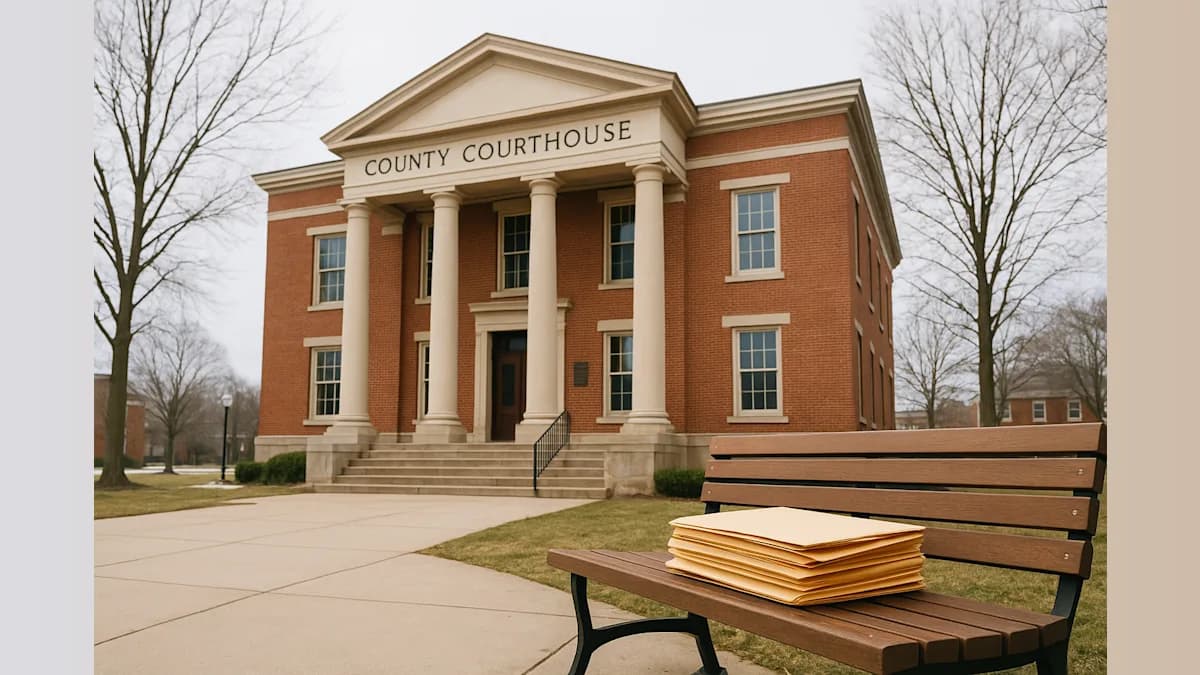
Virginia has become the latest state to enact a "Clean Slate" law, with the measure taking effect last Thursday. The legislation automatically seals criminal records for thousands of residents convicted of certain misdemeanor offenses, a change designed to help them move forward with employment or loan opportunities.
Under the law, records are automatically sealed for Virginians convicted in various cases, including certain misdemeanors such as petit larceny and trespassing, as well as underage alcohol offenses. The automatic sealing process removes the need for individuals to petition a court individually to have their records cleared.
The change carries significant implications for residents seeking to reintegrate into the workforce and access financial services. By sealing minor offenses from public view, the law aims to reduce the stigma that can follow individuals long after they have completed their sentences, potentially opening doors that were previously closed due to a criminal record.
Virginia joins a growing number of states adopting clean slate legislation, reflecting a broader national movement to reform criminal justice policies and ease reentry for individuals with minor convictions. The law's implementation marks a notable shift in how the state handles old misdemeanor records, prioritizing rehabilitation and second chances over permanent punishment.
For local communities, the automatic sealing of these records could mean more residents are able to pursue job opportunities, secure housing, and obtain loans without the lingering effects of a minor offense. The law represents a tangible step toward helping individuals move on from past mistakes and fully participate in the economy.