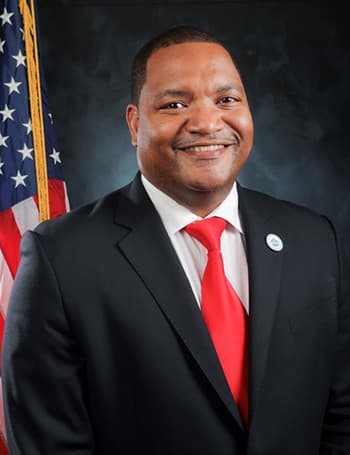
President Donald Trump's decision to name Bill Pulte as acting director of national intelligence has sparked sharp criticism from senior Democrats who question whether the appointee possesses the qualifications necessary to oversee the nation's sprawling intelligence apparatus.
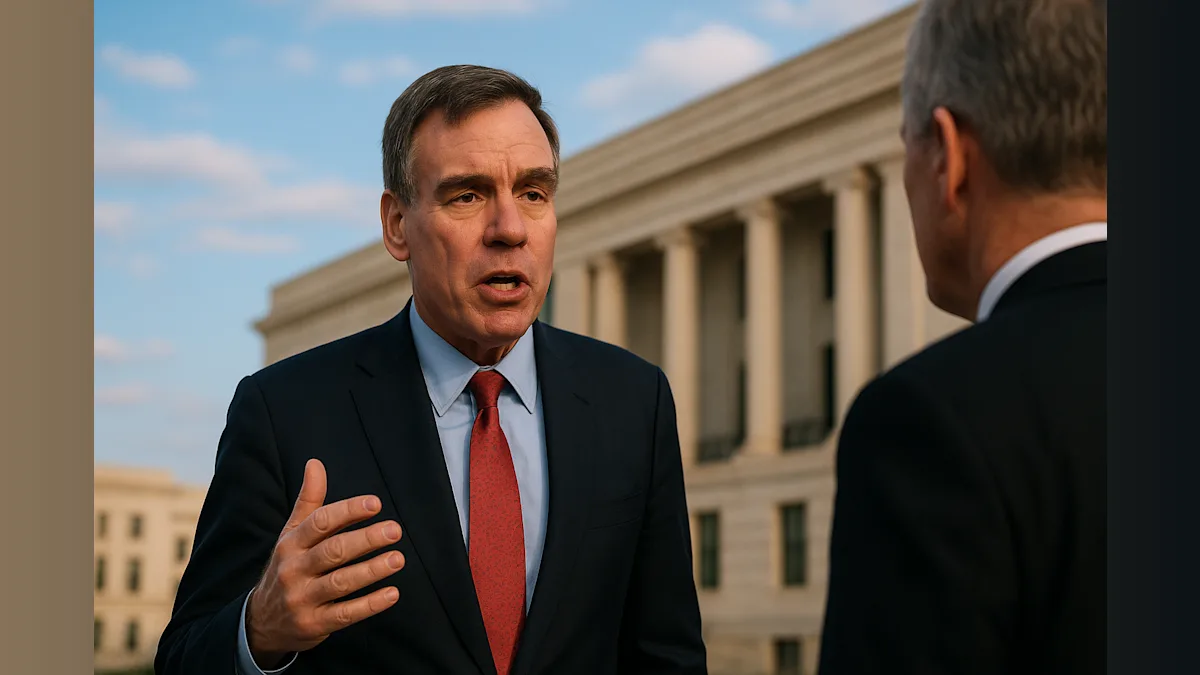
Senator Mark Warner of Virginia, the ranking Democrat on the Senate Intelligence Committee, delivered a pointed assessment of the appointment during a Wednesday interview with NPR's Morning Edition. Warner argued that Pulte lacks fundamental credentials for the position, stating that he has "no experience in the military, no experience in Congress, no experience in the intel community or law enforcement" and was chosen because he is "100% loyal to doing anything and everything President Trump demands."
The Virginia senator went further, asserting that Pulte "would not even qualify" under existing legal requirements for the role. Warner's concerns extend beyond qualifications to the strategic implications of the appointment, particularly its timing. By designating Pulte as an acting director rather than pursuing Senate confirmation, Warner argued, the administration effectively grants him "six months' runway" that could extend his tenure past the November midterm elections.
The director of national intelligence position was created following the September 11 attacks to provide unified oversight and coordination across the nation's 18 intelligence agencies. The role carries immense responsibility for protecting national security and managing some of the government's most closely guarded secrets.
Pulte currently serves as head of the Federal Housing Finance Agency and has no public record of military service or national intelligence experience. He will replace Tulsi Gabbard in the intelligence post.
In announcing the appointment, President Trump highlighted different credentials, praising Pulte's "deep experience managing the most sensitive matters in America, the safety and soundness of the Markets, and over 10 Trillion Dollars at Fannie Mae/Freddie Mac."
Warner expressed alarm at the prospect of Pulte controlling "all of our intelligence agencies with all the absolutely classified things" at a critical juncture when Congress debates whether to reauthorize a key surveillance tool. The senator warned that the appointment could amount to "almost unilaterally disarming in terms of Russia, China, Iran, and terrorists."
The controversy underscores broader tensions between the Trump administration and Democratic lawmakers over intelligence oversight and the qualifications required for senior national security positions. Warner's critique centers on two primary concerns: that Trump has selected a close loyalist to lead the spy agencies, and that the appointment could complicate efforts to renew surveillance authorities in a timely manner.
The appointment represents a significant shift in leadership for the intelligence community at a time when the United States faces complex threats from adversarial nations and terrorist organizations. Whether Pulte can overcome skepticism from lawmakers and demonstrate the capability to manage the vast intelligence enterprise remains an open question as he prepares to assume his new responsibilities.