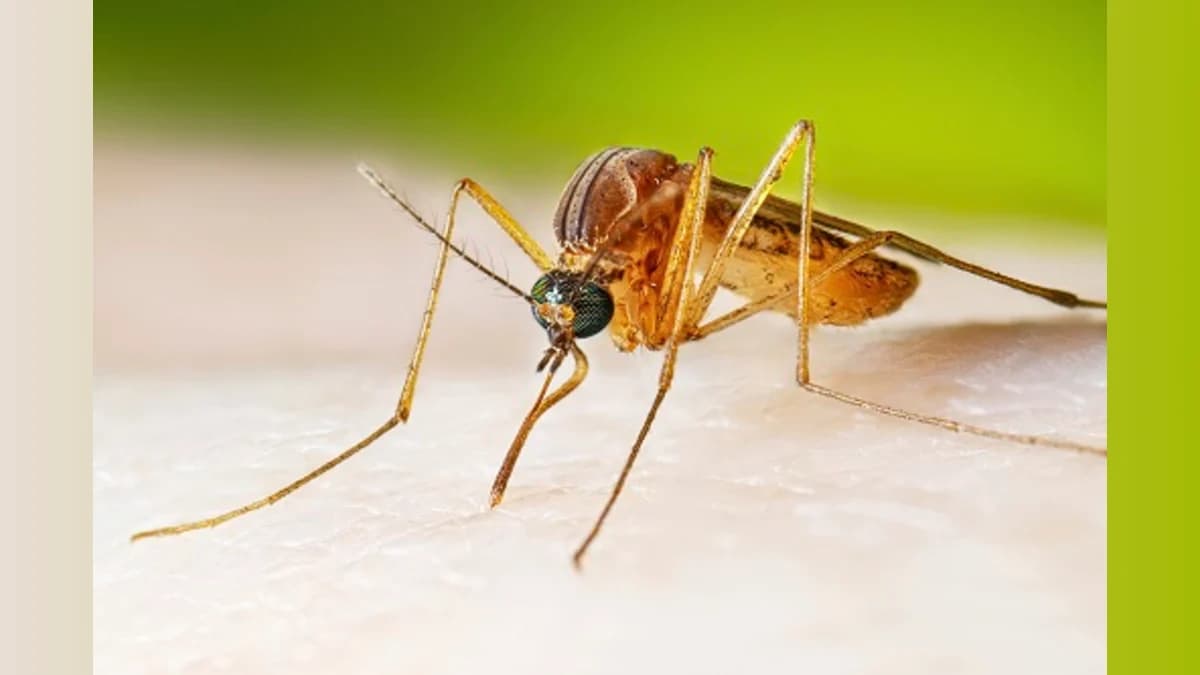
Our community is being reminded to take precautions against mosquito bites after samples collected in Egg Harbor Township tested positive for West Nile virus, Atlantic County government officials announced this week.
The infected mosquito samples were gathered on July 15 from two locations: the 1400 block of Somers Point-Mays Landing Road and the 100 block of Garnett Lane. Laboratory testing confirmed the presence of the virus on July 22.
While the positive samples raise awareness, county officials report no human cases of West Nile virus have been documented anywhere in New Jersey at this time. However, health authorities note they're seeing positive mosquito samples appearing earlier in the season than usual this year, potentially due to warmer water and air temperatures creating favorable conditions for mosquito breeding.
Atlantic County public health and mosquito control teams are maintaining ongoing surveillance efforts and have implemented additional control measures in response to the detections.
Understanding the Transmission Cycle
West Nile virus follows a specific transmission pattern in our environment. Infected birds carry the virus, which mosquitoes then acquire when feeding on those birds. Humans can become infected when bitten by a mosquito carrying the virus.
County health officials emphasize that mosquito-borne diseases spread to people exclusively through bites from infected mosquitoes, making prevention efforts focused on avoiding those bites particularly important.
Protecting Yourself and Your Property
Atlantic County health officials are urging residents to take several protective steps to minimize their risk of mosquito bites and help reduce mosquito populations around their homes.
First, apply insect repellent whenever spending time outdoors. The county recommends following Centers for Disease Control guidance by choosing products containing active ingredients registered by the U.S. Environmental Protection Agency for use on both skin and clothing. Always follow product directions carefully, and parents should consult their child's doctor before applying repellent to children.
Eliminating standing water around your property is equally critical. Mosquitoes breed in stagnant water and typically don't travel far from their breeding sites, meaning the mosquitoes biting you may have hatched right in your yard. Common culprits include buckets, bird baths, and flower pots that collect and hold water. Empty these containers regularly to prevent them from becoming mosquito nurseries.
Additional protective measures include cleaning clogged gutters where water can accumulate and checking screen doors for tears or gaps that need repair.
Resources for Residents
Residents seeking more information about West Nile virus can visit atlanticcountynj.gov or contact the Division of Public Health at (609) 645-5971.
If you need assistance removing stagnant puddles or floodwater from your property, the Office of Mosquito Control is available at (609) 645-5948.

About the Author
Peter Killeen
A 25-year radio news veteran, Peter covers South Jersey for NewsTalk 1400 & 92.3 WOND radio. Known for his concise and impactful delivery, he ensures listeners and readers stay informed without unnecessary filler.