In October 2021, FEMA began implementing a new flood insurance pricing system known as Risk Rating 2.0. The changes took effect for existing policy renewals beginning in April 2022.
The system calculates premiums using a broader range of property-specific factors, including:
Distance from waterways and other potential sources of flooding.
The type and frequency of potential flooding.
Property elevation.
The cost of rebuilding a home.
Building characteristics and flood mitigation measures.
Many homeowners whose previous premiums were below their newly calculated rates are experiencing gradual annual increases as their policies transition toward what FEMA considers their full-risk premium.
For most residential policies, federal law generally limits annual premium increases to 18%, although exceptions exist.
FEMA explains that when the savings provided by the statutory limit on annual increases exceed the community’s flood insurance discount, the larger benefit is applied instead. The two discounts are not necessarily combined in full.
As a result, homeowners may continue to experience annual premium increases despite living in a municipality that has earned a substantial flood insurance discount.
The Impact Extends Across South Jersey
Wildwood Crest is far from alone in participating in FEMA’s Community Rating System.
According to FEMA’s April 2025 community classification report, several Atlantic and Cape May County municipalities had earned significant discounts for eligible policyholders:
Sea Isle City — 35%
Wildwood — 25%
Stone Harbor — 25%
Upper Township — 25%
Ventnor — 25%
Somers Point — 20%
Wildwood Crest — 20%
The program encourages communities to invest in floodplain management, public education, stronger construction standards and other measures designed to protect properties.
Those discounts, however, do not guarantee an equivalent reduction in every homeowner’s current insurance bill.
Can Municipal Flood Protection Projects Lower Insurance Costs?
During the Wildwood Crest presentation, Mayor Don Cabrera raised questions about whether municipal investments in projects such as elevated bulkheads and tidal-control valves could help reduce homeowners’ insurance costs.
Flood mitigation projects can help communities qualify for additional credit through FEMA’s Community Rating System. However, residents may not immediately see the financial benefits reflected in their individual premiums.
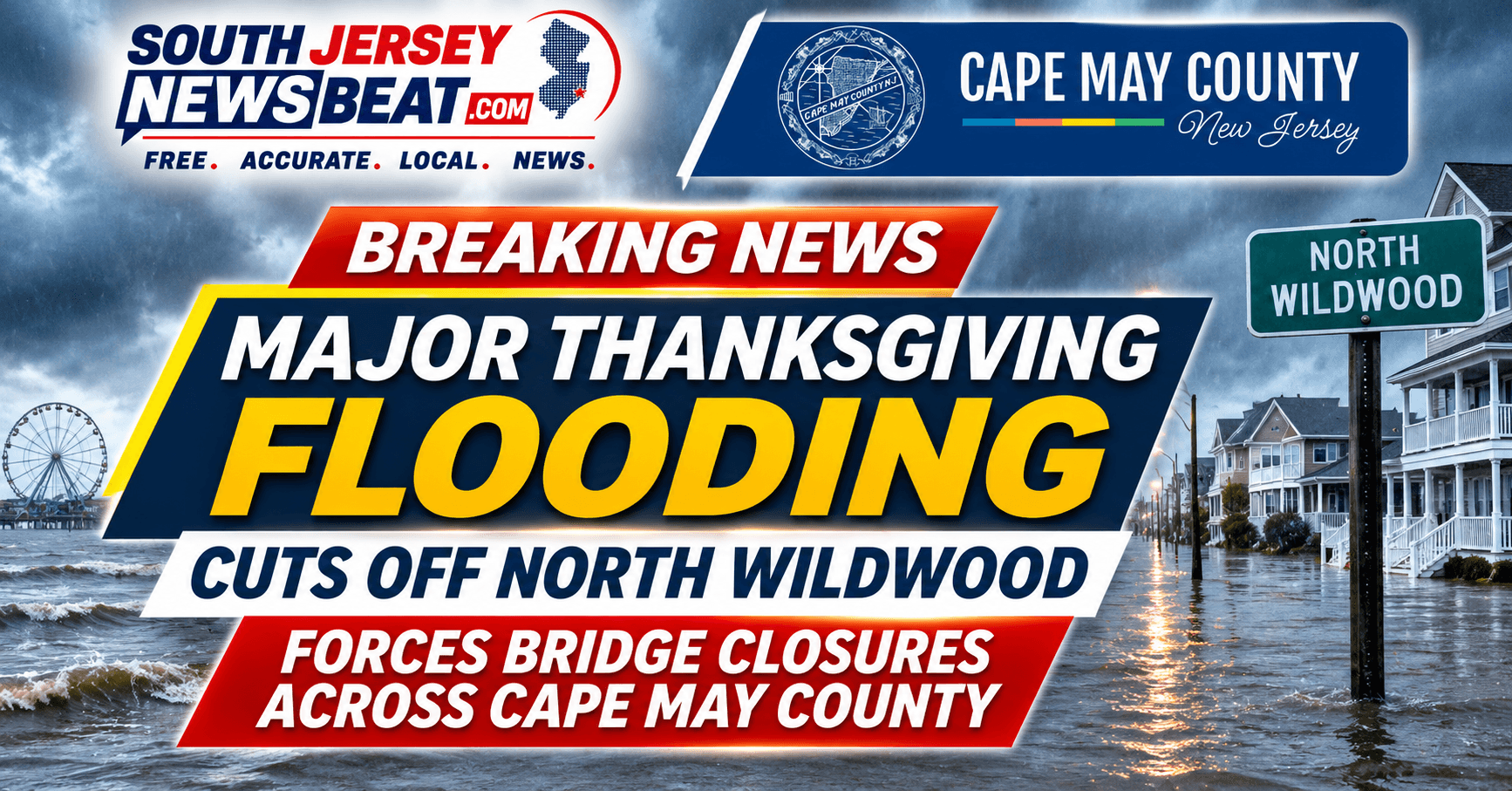
The issue is particularly relevant following Thursday’s Thanksgiving storm, which brought major coastal flooding to portions of Atlantic and Cape May counties, temporarily closing bridges and leaving numerous roads underwater.
Municipalities throughout the region continue to grapple with the expense of improving drainage systems, raising roads, strengthening bulkheads and protecting vulnerable neighborhoods.
What Homeowners Can Do to Reduce Their Insurance Costs
While homeowners have limited control over federal pricing changes, there are steps they can take to potentially reduce their expenses.
Property owners should review their flood insurance policies with an experienced agent to ensure that information about their home's construction, elevation, foundation and flood protection features is accurate.
Incorrect property information could result in unnecessarily high premiums.
Installing qualifying flood vents, elevating heating and air conditioning equipment, raising electrical systems and making other flood-resistant improvements may also help reduce both the risk of damage and insurance costs.
Homeowners can additionally explore private flood insurance options, although industry representatives caution that lower initial premiums should be weighed against potential future increases, coverage limitations and renewal conditions.
Property owners considering leaving the federal flood insurance program should also determine whether switching could affect their eligibility for existing premium discounts if they later return.
Flood Insurance Remains Critical at the Jersey Shore
Standard homeowners insurance policies generally do not cover damage caused by flooding.
Through the National Flood Insurance Program, residential property owners can typically purchase up to $250,000 in building coverage and $100,000 in personal property coverage.
Renters can also purchase coverage for their belongings.
Homeowners considering purchasing flood insurance should be aware that federal policies generally have a 30-day waiting period before coverage takes effect, with certain exceptions.
Following another significant coastal flooding event in South Jersey, residents are encouraged to review their existing coverage, understand their deductibles and speak with their insurance agents about available discounts.
While local flood protection projects remain an important part of protecting South Jersey communities, the recent discussion in Wildwood Crest underscores the complicated relationship between municipal investments, federal insurance regulations and the growing cost of owning property along the Jersey Shore.

About the Author
Peter Killeen
A 25-year radio news veteran, Peter covers South Jersey for NewsTalk 1400 & 92.3 WOND radio. Known for his concise and impactful delivery, he ensures listeners and readers stay informed without unnecessary filler.