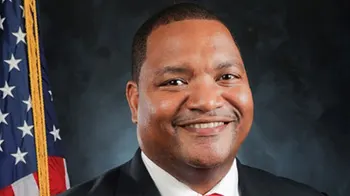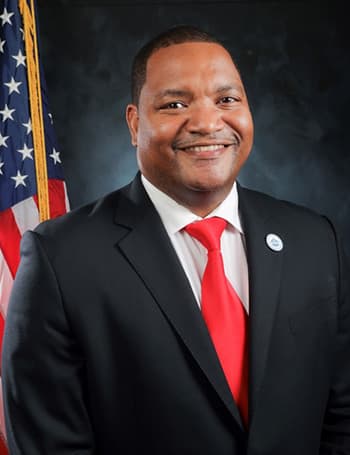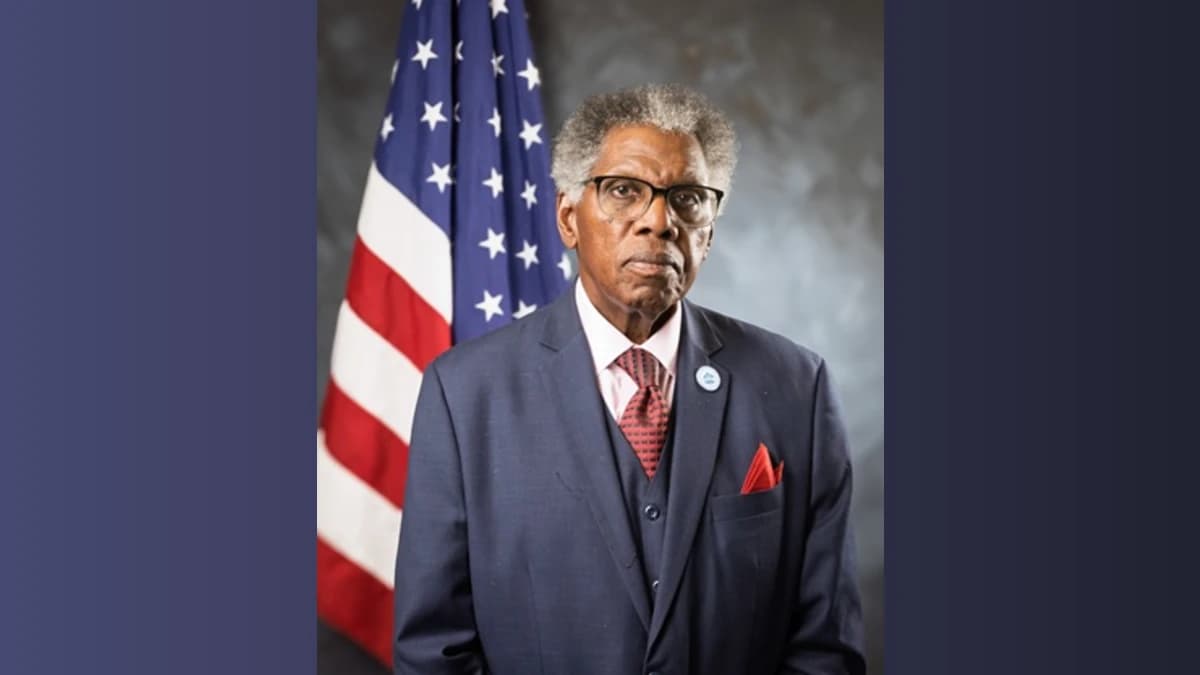
ATLANTIC CITY — As roadwork along Atlantic Avenue continues during the height of the summer tourism season, Atlantic City Council Vice President Kaleem Shabazz says the project is moving forward now because years of planning, legal challenges and safety concerns left city officials with little choice.
Appearing on WOND's The Don Williams Show, Shabazz said many residents have questioned why crews are replacing curbs, sidewalks and intersections while thousands of visitors are in town.
"I'm glad you asked that, Don, because people are asking me," Shabazz said before outlining the history of the project.
According to Shabazz, the reconstruction of Atlantic Avenue stems from studies conducted by the New Jersey Department of Transportation and the Federal Highway Administration, which identified the corridor as one of the area's most dangerous roadways.
"The Atlantic Avenue project has been long planned," he said. "The city was operating under the analysis of the State Department of Transportation and the Federal Department of Transportation about Atlantic Avenue."
Those studies concluded that Atlantic Avenue required what transportation planners refer to as a "road diet" to improve safety.
"Atlantic Avenue was designated as one of the most dangerous streets in the area," Shabazz said. "They had their statistics, they had their analysis of Atlantic Avenue and why there were so many accidents and fatalities."
He noted that several pedestrians have been killed crossing Atlantic Avenue over the years, prompting state and federal officials to recommend changes to the roadway's design.
"So the analysis from the State Department of Transportation and the Federal Department of Transportation was we need to have what they call a road diet and realign the lanes of traffic in Atlantic City," Shabazz said.
Shabazz said the city accepted those recommendations after public hearings and sought grant funding to complete the project.
"We accepted those recommendations, and we applied for grants to do what those recommendations indicated based on the statistics and the analysis from what was happening in transportation," he said.
However, the project did not move forward immediately.
Shabazz said several casino interests challenged the city's plans in court because they disagreed with the proposed redesign.
"The casinos and... CRDA felt that that was not the correct analysis and understanding of how we should do it in Atlantic City, and they took us to court," he said. "The court battle... was protracted, and when it was solved, the judge basically agreed with the City of Atlantic City and how the configuration of Atlantic Avenue should be."
Even after the legal issues were resolved, additional delays followed.
"As you know, we had a very severe winter," Shabazz said. "That pushed us back. We had delays in materials arriving. That's all over the country."
With those obstacles behind them, city leaders decided it was time to begin construction despite the inconvenience of working during the busy summer season.
"The mayor felt, and the council, we agreed that we need to move forward with Atlantic Avenue," Shabazz said. "It's too long. The traffic conditions are horrible. The road conditions, because of the buses and the traffic, cries out for attention."
Much of the work currently visible to motorists and pedestrians involves improvements required under the Americans with Disabilities Act, including reconstructed curb ramps and intersection upgrades.
"The traffic stabilization has to happen. That's the things that people see happening on the corners," Shabazz explained. "The ADA... has to happen so people can have access. That's on the corners too. So all that's happening now so that we don't have to do that further down the line."
He added that completing those improvements first will help avoid having to tear up newly paved sections of roadway later in the project.
Looking ahead, Shabazz said the finished project will include a rebuilt Atlantic Avenue, improvements to Pacific Avenue and synchronized traffic signals designed to improve traffic flow through the city's busiest corridor.
"Hopefully by this time next year, Atlantic Avenue will be completed," he said. "Pacific Avenue, redone. Traffic signals, traffic lights synchronized. And we'll be into a better place."
While acknowledging the frustrations motorists and businesses have experienced during construction, Shabazz said the long-term benefits will outweigh the temporary disruption.
"I wish it could have been done differently, but we are where we are now," he said. "People can see that the workers are diligently working on Atlantic Avenue, and it's going to be better."

About the Author
Peter Killeen
A 25-year radio news veteran, Peter covers South Jersey for NewsTalk 1400 & 92.3 WOND radio. Known for his concise and impactful delivery, he ensures listeners and readers stay informed without unnecessary filler.