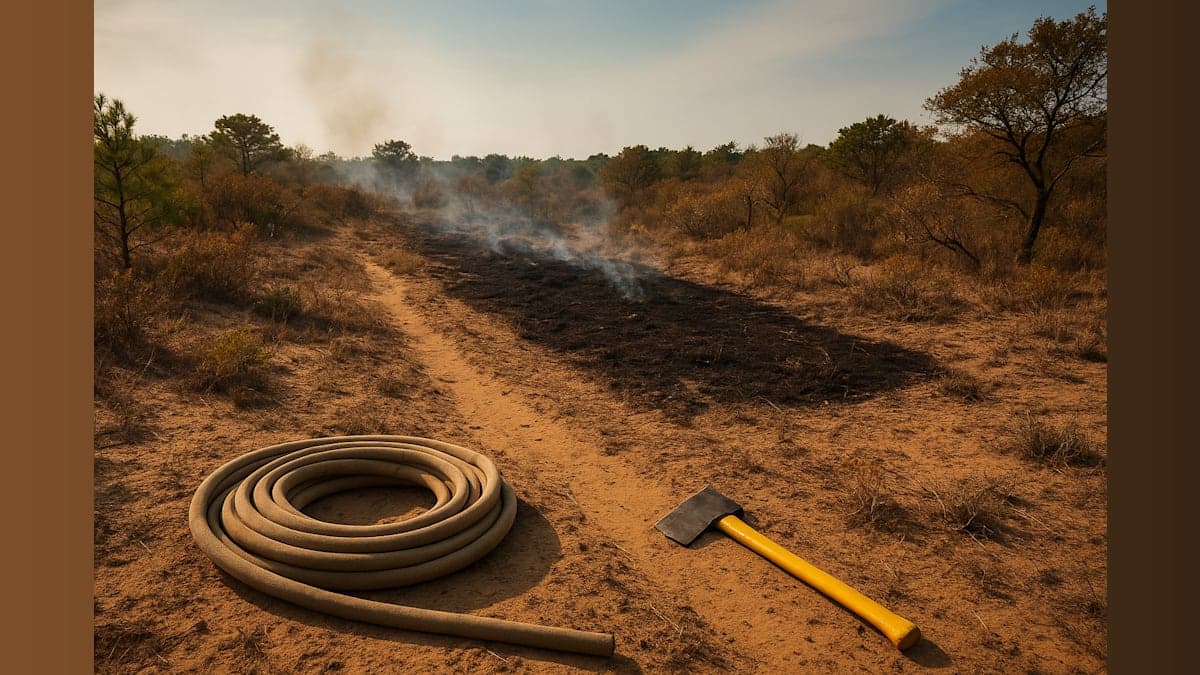
Western states began the summer under the shadow of historic drought, with communities and emergency managers anxious about what the fire season might bring. Those fears proved justified in part: the season produced significant destruction and claimed lives, according to NPR Topics: National. Yet the same season also yielded outcomes that fire officials and residents can count as wins.
The central takeaway is one of contrast. A season that ranked among the more severe in memory did not deliver only losses. The balance between devastation and progress is the story fire-prone communities are now weighing as they look ahead.
For local readers, the relevance extends beyond the West. Drought conditions, seasonal fire behavior, and the effectiveness of preparation and response are questions that resonate wherever wildfire risk exists. The season demonstrates that advance anxiety over drought can be warranted, and that outcomes are not uniformly grim.
The source material does not specify the year of the season, the states most affected, casualty figures, or acreage totals. What it does establish is the framing: a summer that was bigger and deadlier than most, entered under historic drought, marked by both destruction and death as well as measurable successes.
The lesson for communities is to treat the season as a case study rather than a verdict. Preparation undertaken before the first ignition, and the decisions made during the worst of the drought, are the variables that separate a season of pure loss from one that includes wins. That analysis is the work now facing western states as they assess what the summer revealed.