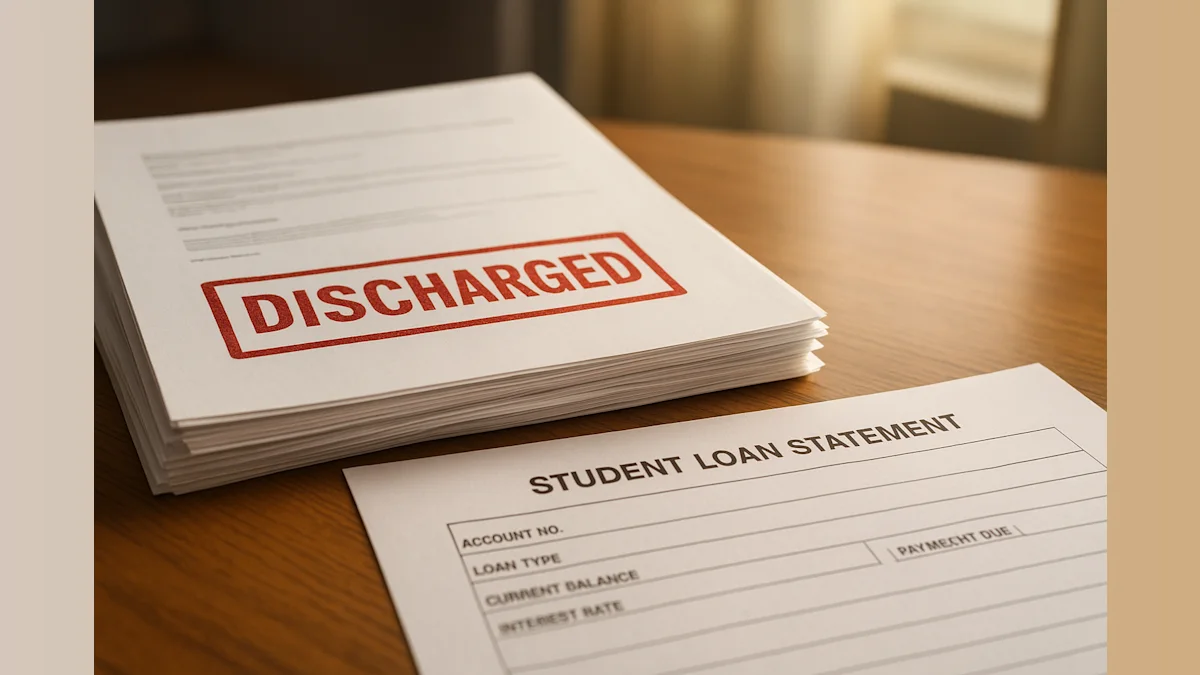
A class-action lawsuit spanning three presidential administrations has reached its conclusion, resulting in the erasure of federal student loan debt for nearly half a million borrowers who claimed their colleges deceived them about job prospects, credit transferability, and post-graduation earnings.
The settlement will ultimately discharge loans and provide refunds totaling more than $23 billion to approximately 450,000 borrowers, making it the largest settlement ever against the United States government, according to advocates involved in the case.
The legal fight began seven years ago when advocates filed suit against the first Trump administration, arguing that the U.S. Education Department under then-Secretary Betsy DeVos had deliberately stopped processing claims under a federal rule known as borrower defense. That rule permits borrowers to petition for debt cancellation when schools have misled them about critical aspects of their education.
The lawsuit has carried different names as administrations changed: Sweet v. DeVos in 2019, Sweet v. Cardona during the Biden presidency, and now Sweet v. McMahon under current Education Secretary Linda McMahon.
"At the end of the day, this settlement has impacted over 450,000 people, and it's improved their personal balance sheets by over $23 billion," Eileen Connor, executive director of the Project on Predatory Student Lending, told NPR. The advocacy group filed the original suit against the department in 2019.
The Biden administration reached a landmark settlement agreement in 2022, committing to provide full and automatic relief to borrowers who had attended more than 150 colleges on a predetermined list, most of them for-profit institutions. The settlement also opened a window for more than 250,000 additional borrowers to submit applications for relief, with the department required to review those claims within a specified timeframe or automatically discharge the loans.
However, court documents revealed that the current Education Department had processed only 60,000 of those post-class applications by the court-appointed deadline. The department requested an 18-month extension to properly review the remaining claims, arguing it needed to ensure taxpayer funds were disbursed only to borrowers entitled to relief.
The U.S. Court of Appeals for the Ninth Circuit rejected that request in a July 17 ruling, noting that the settlement obligations had been clear from the beginning and the department had waited three years to raise objections.
Ellen Keast, an Education Department spokesperson, said in a statement to NPR that the Sweet settlement "imposed an unrealistic deadline." She added that the department had complied in good faith with court orders and believed the court had erred in denying the extension request.
According to court documents filed in April, the Education Department had already provided approximately $12 billion in loan discharges and refunds to nearly 300,000 federal student loan borrowers who claimed fraud. That figure will increase substantially following the recent court ruling.
Jessica Feindt, who lives near Flint, Michigan, represents one of the thousands of borrowers who have waited years for resolution. She enrolled at University of Phoenix as the first in her family to attend college, seeking an undergraduate degree in psychology.
"They really marketed heavily in the area. It was on every radio station, every newspaper. It was everywhere," Feindt told NPR.
Though she completed her degree in less than four years, Feindt accumulated significant debt in the process. She later discovered that recruitment counselors had misled her, including false assurances that Michigan graduate programs would accept her degree. They did not. She filed a borrower defense claim in 2022.
"I paid a lot out of pocket. I paid through student loans. I had all federal loans because poor people cannot get [private] loans," Feindt told NPR.
Less than a week ago, Feindt logged into her federal student loan account to find her college debts had been erased following the latest developments in the Sweet case.
"I feel like I should be happy," Feindt told NPR, "but I'm really angry about all the years that my family suffered under these loans."
Connor compared the case to the historic settlement against Big Tobacco, describing student loans from predatory schools as "toxic products" that have caused widespread financial harm.