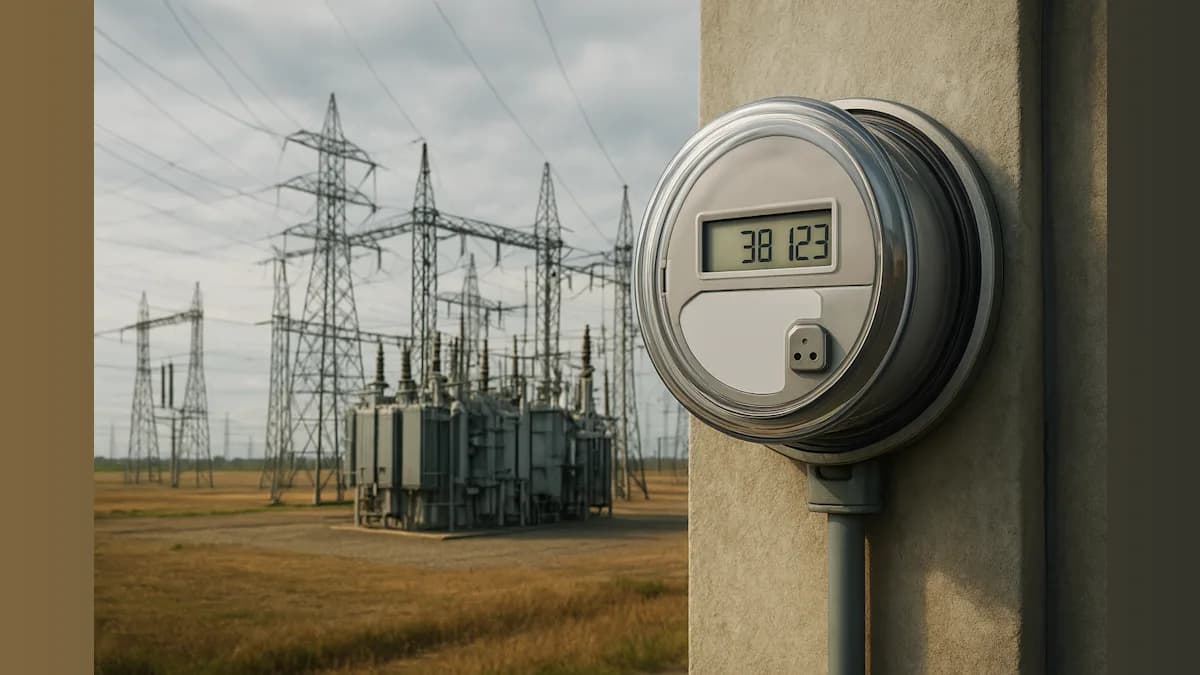
West Virginia electricity customers are experiencing rising bills driven in part by developments occurring across state lines, as Virginia's booming data center industry places increasing demands on a utility system shared between the two states.
The situation highlights a growing tension between neighboring states pursuing divergent energy policies. West Virginia remains committed to coal-based electricity generation, while Virginia has been transitioning away from coal toward alternative energy sources. Despite these contrasting approaches, both states rely on the same utility provider, creating complications for efforts to reduce consumer costs.
Virginia has emerged as a national hub for data centers, which require enormous amounts of electricity to power servers and cooling systems that operate continuously. This surge in electricity demand affects the broader regional grid and the rates charged to customers throughout the utility's service area, including those in West Virginia who receive no direct benefit from the data center expansion.
The cross-border nature of utility service areas means that infrastructure investments and operational costs are distributed across all customers, regardless of which state drives the increased demand. For West Virginia residents, this translates to higher monthly bills influenced by energy consumption patterns they cannot control.
The challenge facing policymakers and utility regulators is how to balance the needs of two states with fundamentally different energy priorities while maintaining a unified rate structure. West Virginia's continued reliance on coal reflects both its historical economic ties to the industry and its current energy strategy, yet this approach offers limited leverage when addressing costs driven by developments in Virginia's technology sector.
As data centers continue to proliferate in Virginia, the implications for West Virginia ratepayers are likely to persist. The interconnected nature of regional electricity systems means that major shifts in one state's energy consumption inevitably ripple across neighboring communities, creating winners and losers that do not align neatly with state boundaries.