Permaculture farmer Chau Quang Duong is drawing a direct line between the health of the ground beneath our feet and the state of our inner lives, warning that the pursuit of speed and efficiency through artificial means can strip away the very conditions that allow life to flourish.
In an essay published by DailyGood, Duong explains that the microbes responsible for supporting life account for only 5% of the organic matter found in living soil. When chemicals and other artificial inputs are used to accelerate results, those microbes can be readily destroyed, leaving the soil dry, hard, and lifeless.
Duong extends that same caution to human cognition. He contends that surrendering our own judgment in favor of complete dependence on artificial intelligence — driven by the desire for speed, efficiency, and what he terms "perfection" — carries a comparable risk. What stands to be lost, he argues, is the living culture and accumulated knowledge of a particular place, the source from which life and our own inner wisdom grow. That, he says, is the 5% AI can never supply.
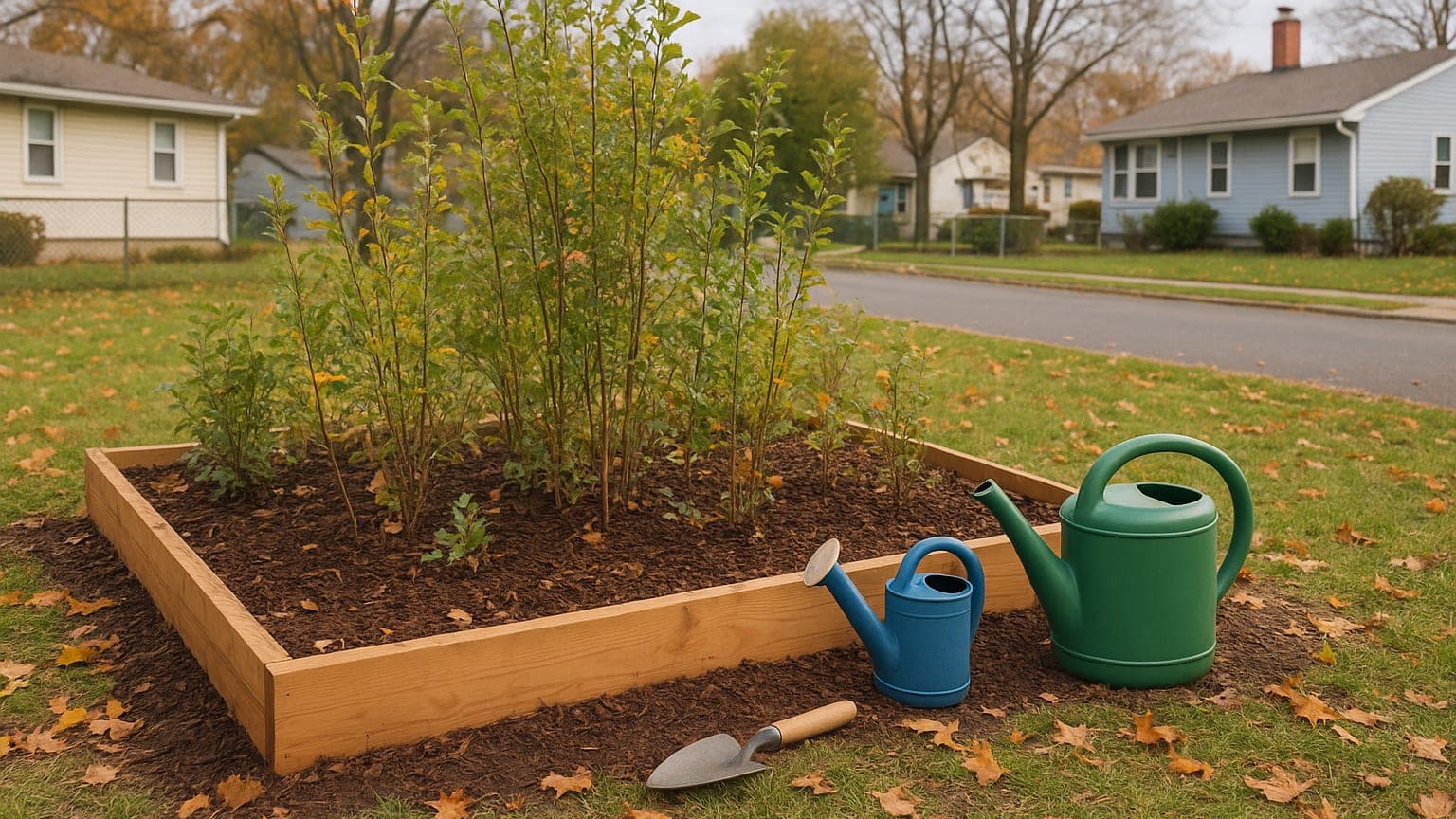
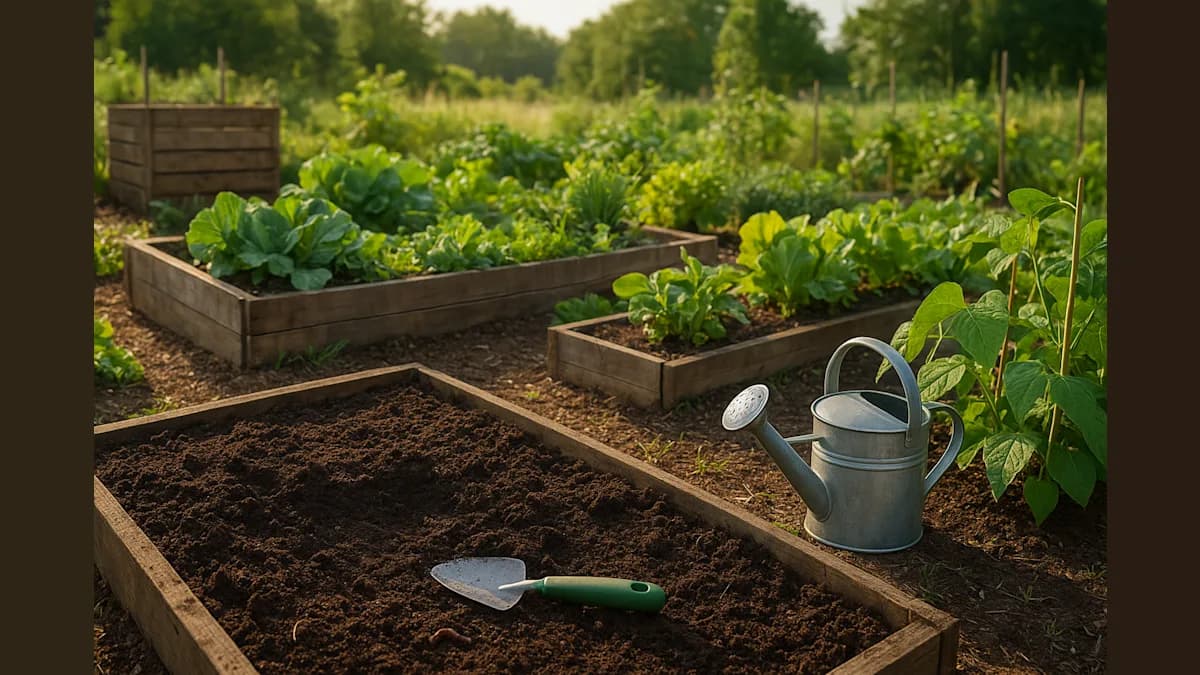
The remedy Duong proposes is replenishment: tending the soil of the soul through meaningful connection, including time spent immersed in a garden. He observes that soil can recover once damaging practices stop and care begins, and he suggests that inner lives can become fertile again under similar conditions — when people grant themselves time, space, and a closer relationship with the natural world.
"When the mind releases its need to control everything, a quiet, open space appears," Duong writes in the essay. "In that space, our inner voice can begin to speak again."
For local readers, the message carries practical weight. Community gardens, backyard plots, and neighborhood green spaces offer accessible settings for the kind of restorative attention Duong describes. His parallel between agricultural and interior life suggests that the same patience required to rebuild depleted soil — stopping harmful inputs, then investing steady care over time — applies to maintaining human judgment and local knowledge in an era of rapid automation.
Duong's essay, titled "From Soil to Soul," appears on DailyGood, a publication focused on inspirational reporting. His argument does not reject technology outright; rather, it asks readers to weigh what is gained in efficiency against what may quietly erode when the 5% that sustains living systems — in the earth and in the mind — is neglected.