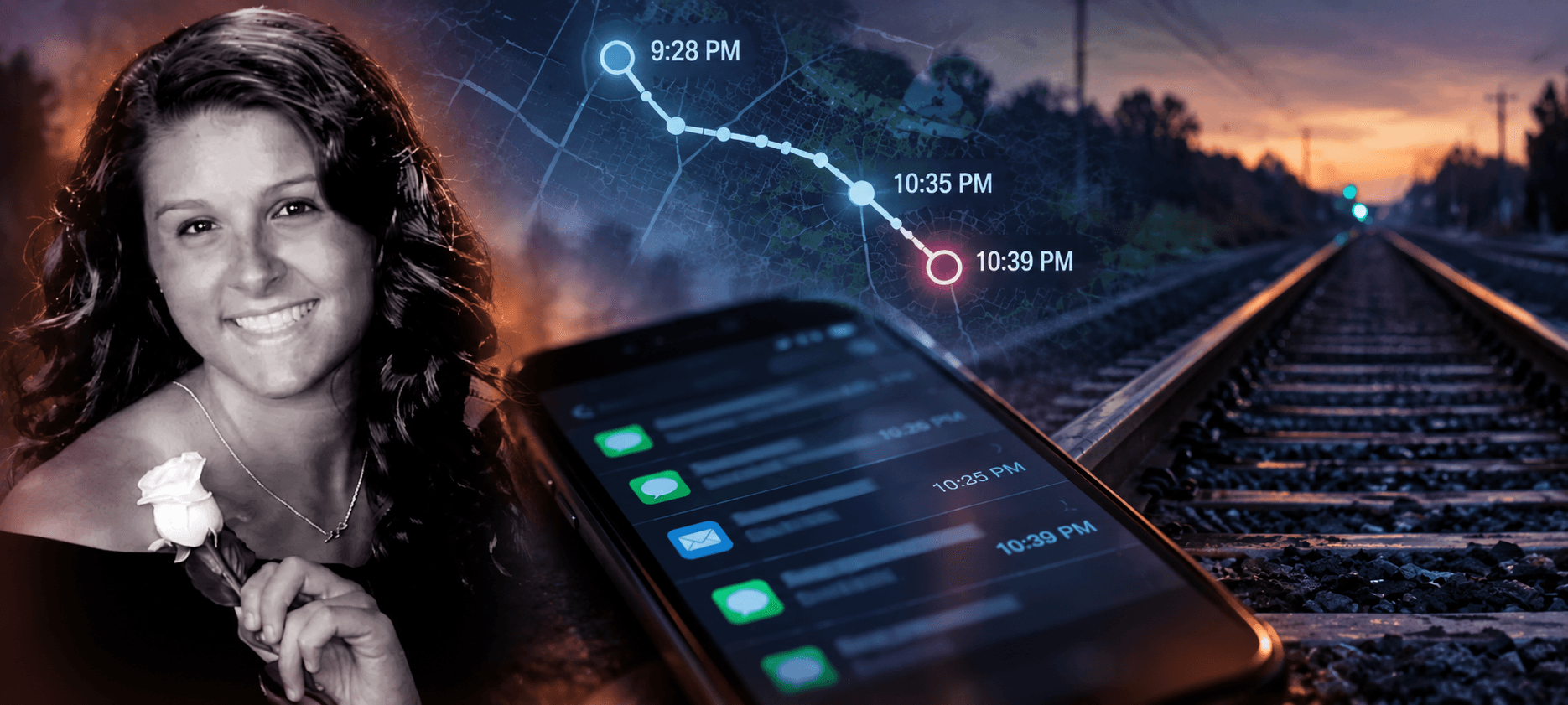
The scheduled public execution of the perpetrator of the 2009 Fort Hood mass shooting will no longer be livestreamed, according to an announcement from President Trump. The reversal ends a brief but intense debate over whether the federal government should allow real-time public viewing of a federal execution.
The decision was discussed on NPR, where host Scott Detrow spoke with Dexter Filkins, a journalist for The New Yorker who has witnessed a public execution. Their conversation examined the canceled livestream and the broader message it may convey to audiences both in the United States and abroad.
The 2009 Fort Hood attack remains one of the deadliest mass shootings on a U.S. military installation. The planned execution of the shooter had drawn national attention, and the proposal to make it publicly viewable marked a significant departure from modern federal practice, where executions are typically carried out behind prison walls with limited official witnesses.
According to NPR's reporting, President Trump stated that the Fort Hood attacker's execution would not be livestreamed. The announcement followed public discussion about whether such broadcasts would serve justice, deterrence, or spectacle.
Dexter Filkins, speaking to NPR, provided context from his own experience covering a public execution. His insights underscored the weight such events carry and the complex reactions they provoke among witnesses and the wider public.
The cancellation leaves open the question of what message the episode sends. For local readers, the story highlights ongoing national debates over transparency, the death penalty, and the boundaries between public accountability and state-sanctioned violence.