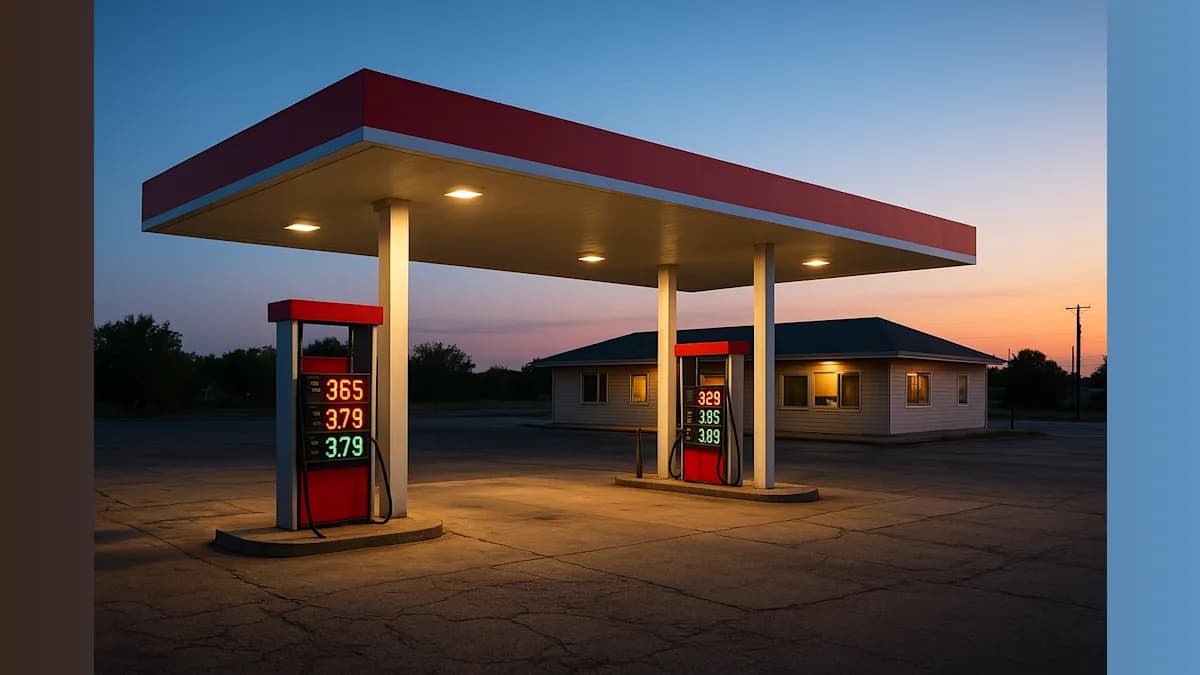
Independent gas station owners throughout the United States are confronting severe financial pressures as fuel price volatility continues to strain their operations. The challenges facing these small business operators highlight the precarious position of independent retailers in an industry increasingly dominated by larger chains and corporate entities.
NPR examined the struggles of independent station owners by speaking with Jivtesh Gill, who operates several gas stations in California. The conversation with Gill provides insight into the operational difficulties that independent operators face when fuel prices fluctuate rapidly, creating uncertainty in an already competitive marketplace.
Independent gas stations operate on notably thin profit margins, making them particularly vulnerable to sudden shifts in wholesale fuel costs. Unlike major oil companies that own both refineries and retail outlets, independent operators must purchase fuel at wholesale prices and compete with branded stations that benefit from corporate support and volume purchasing power.
The financial squeeze extends beyond simple price fluctuations. Independent owners must balance the need to remain competitive on price with the reality of covering operational expenses including employee wages, property costs, equipment maintenance, and regulatory compliance. When wholesale prices rise sharply, these operators face difficult decisions about how much of the increase to pass along to customers without losing business to competitors.
The challenges facing independent gas station owners reflect broader trends in American retail, where small business operators in capital-intensive industries struggle to compete against larger corporations with greater financial resources and economies of scale. For communities that rely on these independent businesses, the financial pressures on station owners raise questions about the future diversity and local ownership of essential services.