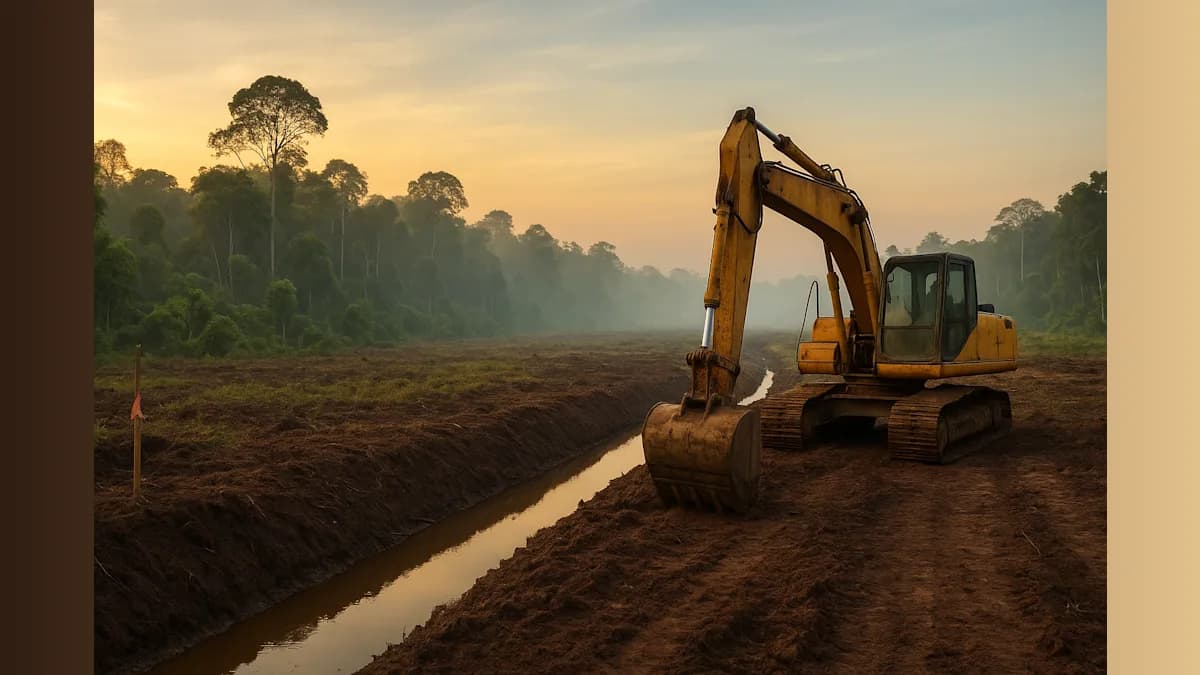
Indonesian authorities have paused, and possibly permanently ended, what has been described as the "world's largest deforestation project," according to reporting by Good News Network. The decision follows the country's achievement of self-sufficiency in rice cultivation approximately three years ahead of a government schedule, a milestone that removes the primary justification for the land-clearing initiative.
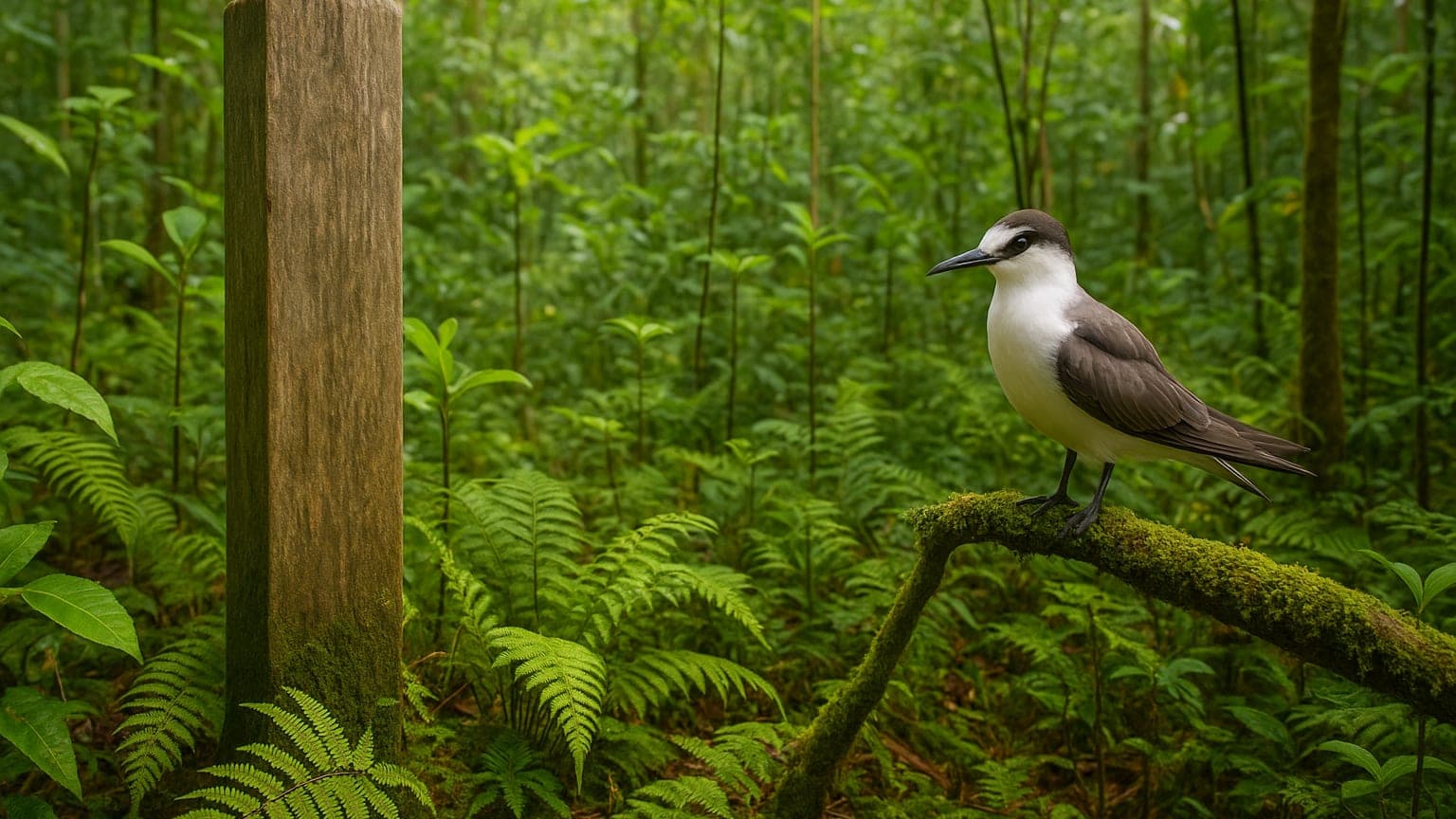
The halt potentially spares around 4 million acres of rainforest, swamps, and peatlands across large Indonesian islands from deforestation. These ecosystems are among the most carbon-dense and biodiverse on Earth, and their preservation carries significance well beyond Indonesia's borders.
While the immediate threat of clearing has been suspended, the long-term status of these vast areas has not been settled. According to Good News Network, the ultimate destiny of these lands remains unclear, leaving open questions about whether they will receive permanent protection or be subject to future development pressures.
The early achievement of rice self-sufficiency represents a notable policy success for Indonesia, demonstrating that agricultural goals can be met without expanding into sensitive forest and peatland areas. The pause on the deforestation project suggests a potential shift in priorities toward conservation and sustainable land management.
For local readers, the development underscores the global interconnectedness of environmental policy. The preservation of Indonesian rainforests and peatlands contributes to climate stability and biodiversity conservation worldwide, outcomes that resonate with communities everywhere facing their own land-use decisions.