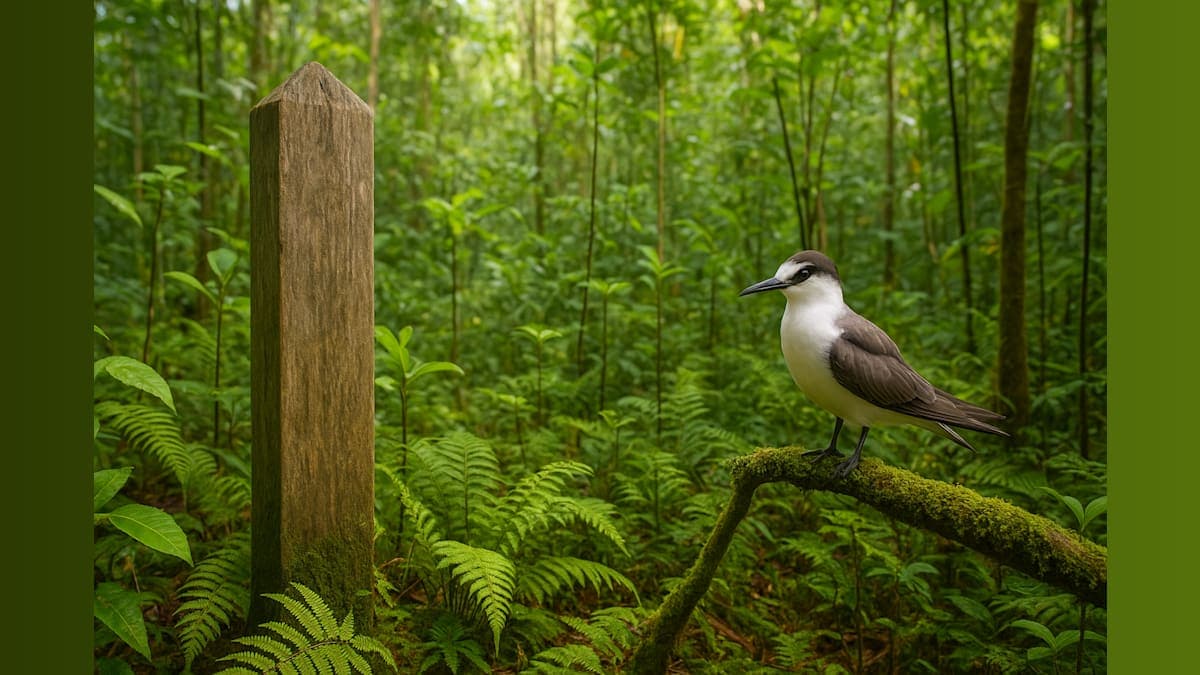
Nu'utele Island, a Key Biodiversity Area in Samoa, is witnessing a striking resurgence of native wildlife just one year after ecological restoration efforts removed invasive rats and pigs. The island is home to one of the country's most pristine native forests, which had been teeming with native species before the invasive predators took hold.
According to Good News Network, the removal of these invasive species has led to an explosion of native wildlife, with forests, wildlife, and food resources all showing remarkable signs of recovery. The project highlights the ecological damage caused by invasive rats and pigs, which are common threats to island ecosystems across the Pacific.
The restoration on Nu'utele Island is part of a broader effort to protect Samoa's biodiversity. The island's status as a Key Biodiversity Area underscores its importance for conservation, and the rapid recovery of native species demonstrates the resilience of ecosystems when invasive pressures are removed.
Local communities rely on the island's forests and wildlife for food resources, making the recovery not only an environmental victory but also a boost for local livelihoods. The success story from Nu'utele Island offers a model for other Pacific islands grappling with similar invasive species challenges.