Six days into a firefight at a massive frozen-food storage facility near downtown Los Angeles, firefighters have yet to enter the building and have begun moving parts of the exterior walls to try to gain access.
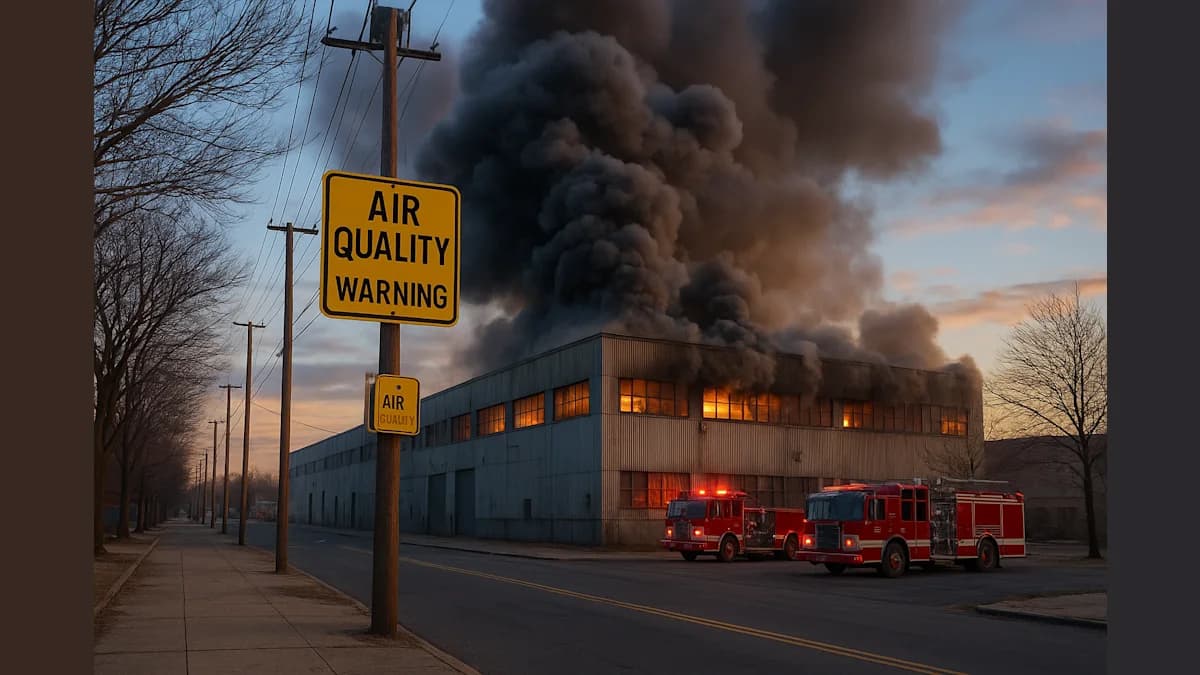
The fire, which sparked Wednesday, June 18, continues to produce thick smoke from the roughly 500,000-square-foot warehouse in Boyle Heights, a working-class neighborhood east of downtown. The facility, covered in solar panels and insulated like a freezer, sits across the street from residential homes. City officials on Monday warned people to stay inside or wear masks due to smoke pollution.
Why the Fire Continues to Burn
While a large warehouse fire can typically be extinguished in a day, fires in cold storage facilities often burn for weeks due to their heavily insulated construction, according to Los Angeles Fire Department spokesperson Jamie Stewart. The insulation in the ceilings, roofs, and walls makes these blazes extraordinarily difficult to extinguish.
Firefighters have been unable to enter the building due to the danger posed by floor-to-ceiling heavy-duty steel rack shelving, Stewart said. The warehouse contains rows that are 65 feet tall and 650 feet long, loaded with pallets and boxes filled with frozen food—similar to the interior of a Costco or Home Depot warehouse store, Los Angeles Fire Department Chief Jaime Moore explained during Monday's news conference. Approximately 85 million pounds of frozen food were stored inside.
"I don't know that we'll ever get firefighters inside because the entire roof has been compromised and it is sitting on top of (those) 65-foot towers," Moore said, speaking to The Associated Press. "It's extremely dangerous, and I don't foresee ever putting our firefighters in that type of danger."
Firefighters have been stripping away exterior walls on certain sides of the building and dousing it with heavy streams of water as an alternative approach to combating the blaze.
Suspected Cause and Facility Details
Michigan-based company Lineage Logistics, which operates the facility, stated in a release that it believes the fire began when subcontractors were working on solar panels on the roof. However, the official cause has not been determined, the company said. Lineage is cooperating with fire officials investigating the blaze.
Moore said preliminary information shows Lineage, which rents the warehouse, was leasing the roof to a solar company that was working on the panels when the fire started. "They attempted to try to extinguish it. They dialed 911, and it was off to the races," he told The Associated Press.
The facility, called Big Bear, stores products such as seafood, pork, beef, and poultry before they are shipped to grocery stores and restaurants on the U.S. West Coast, according to Lineage's website.
Air Quality Concerns Mount
The South Coast Air Quality Management District extended a warning about poor air quality in the area until Tuesday afternoon, stating the blaze continues to produce smoke impacting the neighborhood and areas north and east of the fire. The smoke carries microscopic particles known as PM2.5 that can penetrate deep into the lungs.
Light winds are pushing the smoke in all directions, potentially impacting other parts of metropolitan Los Angeles, the district said. Residents in the most affected areas were advised to avoid vigorous physical activity, close all windows, doors, and vents, turn off air conditioning, and bring people and pets to an inside room due to the risk of hazardous air. Those who must go outside in smoky conditions should wear an N95 or P100 mask, health officials said.
Los Angeles City Councilmember Ysabel Jurado, who represents Boyle Heights, said residents want to know what materials and chemicals were in the warehouse, what burned, and what is still burning. She said air quality results should include that information and be released in English and Spanish in terms that regular people can understand.
Families, workers, and other residents are "seeing the smoke and smelling the odors and finding ash and debris near their homes and businesses," Jurado told The Associated Press. "We still do not have enough clear information about what burned and what may still be burning."