A groundbreaking marine study has demonstrated that probiotic treatments can revive coral suffering from heat stress in open ocean environments, marking the first successful application of such therapies beyond controlled aquarium settings and limited coastal trials.
Scientists working in the Red Sea achieved significant success in restoring coral health using both live probiotic bacteria and inactivated post-biotic compounds, even as the organisms endured a natural marine heatwave. The research, published in the journal Cell Reports, represents a critical advancement in efforts to protect coral reefs facing unprecedented thermal stress from climate change.
While previous research had shown promise for probiotic coral rehabilitation in South Florida waters and laboratory aquariums, the current study tested whether microbial therapies could function effectively in the challenging conditions of the Red Sea.
"We urgently need to understand both the natural mechanisms that allow some corals to tolerate heat and how we can safely enhance those mechanisms," co-lead author Dr. Erika Santoro told Good News Network.
Dr. Santoro, a postdoctoral fellow at KAUST University in Saudi Arabia, explained that coral organisms naturally host beneficial bacteria that assist in environmental adaptation. The goal of microbial therapy extends beyond saving individual coral structures to restoring the complete microbiomes these marine animals support.
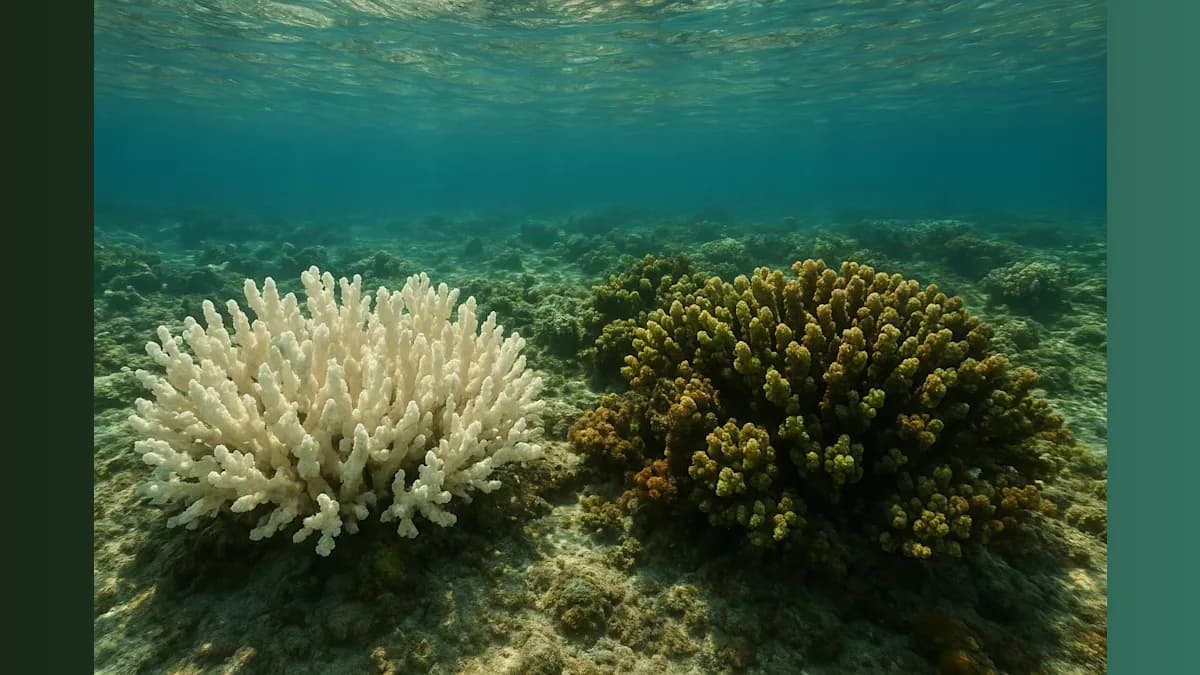
The research team conducted their field experiment during a 2022 heatwave in the central Red Sea, treating Acropora coral specimens as daily average seawater temperatures climbed between 87.6 degrees Fahrenheit and 89.5 degrees Fahrenheit (30.9 degrees Celsius to 31.9 degrees Celsius). These elevated temperatures place significant stress on coral, often triggering bleaching events that can prove fatal.
Over a 15-day period, researchers extracted beneficial bacterial strains from healthy Red Sea corals to formulate two distinct probiotic treatments along with their post-biotic equivalents. Post-biotics consist of inactivated probiotics and their bioactive components, offering potential practical advantages over live bacterial cultures.
"The possibility of using post-biotics is particularly exciting… potentially offer practical advantages, such as longer shelf life, easier storage and transportation, and reduced production costs," Dr. Santoro told Good News Network.
Scientists assessed coral health by examining color changes—white or bleached appearances signal declining health—and measuring the photosynthetic efficiency of symbiotic algae living within the coral tissue. After the 15-day treatment period, one probiotic formula and one post-biotic formula had significantly improved coral health indicators.
"When an innovative idea like this actually works—particularly under field conditions—we are positively surprised," Dr. Santoro told Good News Network. "The most exciting takeaway is that this study opens a new avenue for coral microbial therapies."
Genetic and metabolic analysis of the treated coral revealed that probiotic and post-biotic therapies restructured microbial and metabolic profiles through different pathways. Notably, coral receiving post-biotic treatment showed increased populations of Cobetia, a bacterial strain that enhances coral heat tolerance.
The findings arrive as coral reefs worldwide face mounting threats from rising ocean temperatures. Marine heatwaves have triggered widespread bleaching events across major reef systems, threatening biodiversity and the coastal communities that depend on healthy reef ecosystems for food security and storm protection.
The successful deployment of microbial therapies in open ocean conditions suggests these treatments could be scaled for broader reef restoration efforts, particularly as researchers work to identify the most effective bacterial formulations for different coral species and environmental conditions.