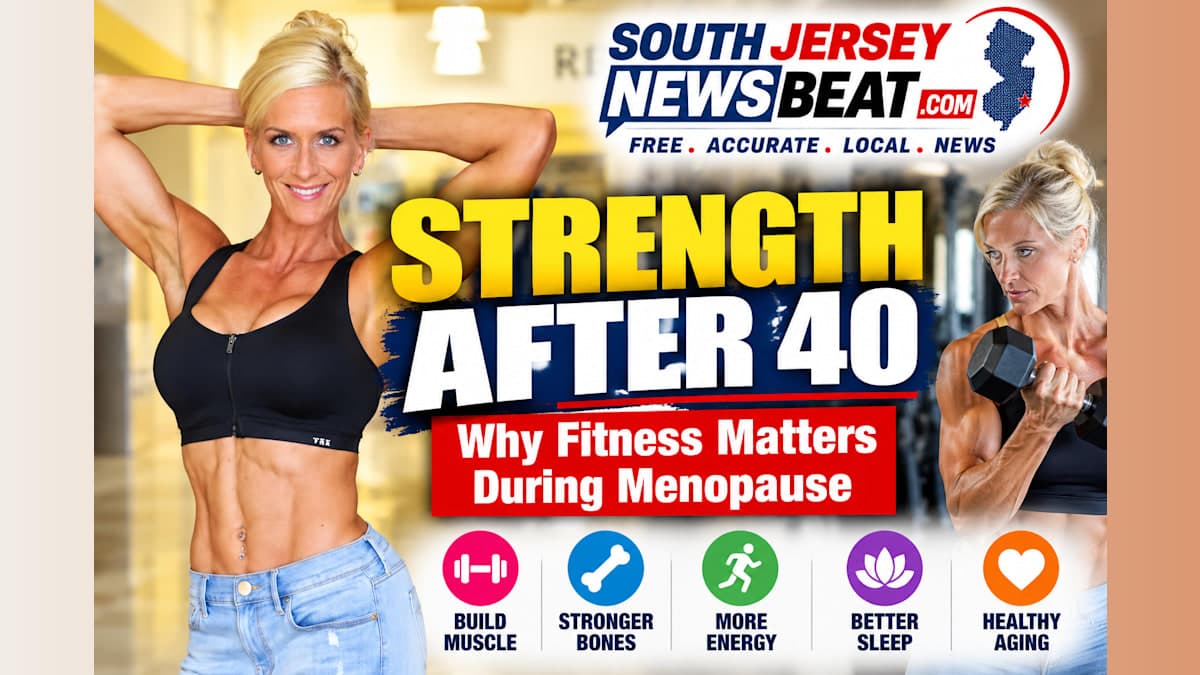
As new research highlights the benefits of exercise during perimenopause, women's fitness specialist Laura Smestad says building strength, maintaining independence and making time for personal health become increasingly important in midlife.
SOUTH JERSEY — For many women approaching their 40s and 50s, fitness is no longer simply about losing weight or looking good in a bathing suit. It's about having enough energy to get through the day, sleeping better, maintaining strong bones and muscles, and staying healthy and independent for decades to come.
That's the message South Jersey women's fitness coach Laura Smestad shared during an October 22 appearance on The AC Mike Lopez Show on News Talk 1400 & 92.3 WOND.
Smestad, who has spent 25 years working in personal training and fitness coaching, specializes in helping women navigate the physical and emotional changes associated with perimenopause, menopause and aging.
Her advice is straightforward: Women don't necessarily need to spend hours in a gym to begin improving their health. They need to start somewhere, develop sustainable habits and make themselves a priority.
And a growing body of medical research supports the importance of strength training and regular physical activity during midlife.
Why Fitness Changes After 40
Smestad said her approach to fitness has evolved as she has gotten older and increasingly focused on women experiencing hormonal changes.
"At this stage of the game, I am very much honed in on women at midlife," she told Lopez.
She explained that women in their 30s, 40s and 50s are often managing several major responsibilities simultaneously.
They may be raising children, caring for aging parents, managing careers, operating businesses or navigating significant personal transitions.
At the same time, their bodies may be experiencing hormonal fluctuations associated with perimenopause.

"I feel like women at our age, we are at a very delicate age, not just physically, but socially, emotionally as well," Smestad said. "A lot of us are wearing a lot of different hats."
She said the combination can leave women exhausted and struggling to find time for themselves.
"Burnout's a real thing," Smestad said. "We tend to put ourselves on the back burner."
For some women, exercise becomes another obligation they feel they cannot fit into an already crowded schedule.
Smestad believes that approach needs to change.
Rather than viewing fitness as another demanding task, she encourages women to see it as an investment in their ability to handle the responsibilities they already have.
Understanding Perimenopause
Perimenopause is the transitional period leading up to menopause, when hormone levels fluctuate and menstrual cycles may become irregular.
According to the American College of Obstetricians and Gynecologists, commonly known as ACOG, menopause occurs at an average age of approximately 51.
Natural menopause is generally identified after 12 consecutive months without a menstrual period, assuming there is no other medical explanation.
Perimenopause can begin years earlier, sometimes during a woman's 30s or 40s.
Symptoms vary considerably.
Some women experience relatively few changes, while others report hot flashes, night sweats, sleep disturbances, mood changes and other symptoms that can interfere with daily life.
Smestad said previous generations often discussed these changes less openly.
"Generations past, our mothers, grandmothers, etc., they never really talked about these body changes," she said. "It was sort of like a stigma. They suffered in silence."
She believes increased public discussion has helped women seek information and support.
Smestad, who described herself as pursuing doctoral research involving weight training and hormonal transitions, said she became particularly interested in the relationship between resistance exercise and women's health during menopause.
While research has established broad benefits from physical activity, scientists are continuing to investigate how different exercise programs affect specific menopause symptoms.
New Research Suggests Exercise May Ease Some Symptoms
Just two days before Smestad's WOND interview, The Menopause Society released findings from an international study examining physical activity and perimenopause symptoms.
The research, presented at the organization's 2026 annual meeting, involved more than 1,800 women from 87 countries across six continents.
Participants completed an online survey about their exercise frequency and the symptoms they experienced during perimenopause.
Researchers found that women reporting more frequent physical activity generally also reported a lower burden of menopause-related symptoms.
The association appeared particularly notable for psychological symptoms, including anxiety, irritability and low mood.
Dr. Stephanie Faubion, medical director of The Menopause Society, said the findings suggest physically active women may experience fewer symptoms, although additional research is needed.
There are important limitations.
The study relied on self-reported information, and its observational design cannot establish that exercise directly caused the differences in symptoms.
Women who exercise more frequently may also differ in other ways that influence their health.
Nevertheless, the findings reinforce established recommendations that regular physical activity is an important part of maintaining overall health during midlife.
Why Strength Training Matters
Smestad places particular emphasis on resistance training, which involves challenging muscles using weights, resistance bands, exercise machines or body weight.
The benefits extend well beyond physical appearance.
According to the National Institutes of Health, strength training can help maintain muscle mass, improve physical function and preserve mobility as people age.
Research also indicates that muscle strength and power tend to decline with age, although regular resistance exercise can slow that process.
For women, bone health becomes especially important around menopause.
ACOG reports that bone loss accelerates during the first several years after menopause as estrogen levels decline.
Excessive bone loss can increase the risk of osteoporosis and fractures, particularly involving the hip, wrist and spine.
Strength training and other weight-bearing activities can help support bone health.
They also improve the strength needed for everyday tasks, including climbing stairs, carrying groceries, getting out of a chair and maintaining balance.
For Smestad, those practical benefits are among the most important reasons to exercise.
"You think about the future, you think about longevity, independence, being able to live on your own for as long as you can getting on and off the floor," she said.
She also emphasized maintaining strong bones and reducing the likelihood of serious injuries later in life.
"It's not just about how we look anymore. It's the whole person."
Forget the All-or-Nothing Approach
One of Smestad's strongest messages concerns the misconception that an effective fitness routine must involve lengthy, exhausting workouts.
She said many people convince themselves that if they cannot commit to an hour at the gym every day, there is little point in exercising at all.
"We're all or nothing," she said.
That mindset, she argued, often leads people to abandon exercise entirely.
"That is the biggest mistake you can make because it has to be sustainable for your life and it's consistency over perfection."
Smestad believes shorter, manageable workouts can help people establish habits they are more likely to maintain.
"So if you can do 20 minutes a day, every day, that's a lot better than a couple of weeks of an hour at the gym that you don't stick with."
The National Institute on Aging offers similar advice about starting gradually.
Federal health experts encourage people who have been inactive to begin with manageable amounts of movement and increase their activity as their fitness improves.
Even a few minutes of activity can be a useful starting point.
However, brief introductory workouts should not be confused with the full amount of exercise recommended for long-term health.
Federal physical activity guidelines recommend that adults work toward 150 to 300 minutes of moderate-intensity aerobic activity per week, along with muscle-strengthening activities on at least two days.
The appropriate starting point depends on an individual's health, physical abilities and experience.
Five Minutes Can Be a Beginning
Smestad described a two-week introductory challenge she developed for women who feel overwhelmed by the idea of starting a fitness program.
Instead of requiring participants to immediately begin an intensive workout schedule, the challenge introduces small daily habits.
For example, one day might involve drinking a glass of water before morning coffee.
Another might involve a few minutes of stretching, meditation or quiet personal time.
Each new habit builds on the previous one.
Smestad calls the approach "habit stacking."
By the end of the two weeks, she hopes participants have begun to view their health as something worthy of daily attention.
"I do deserve these minutes each day," she said, describing the mindset she wants women to develop. "I can't continue to put myself on hold."
Smestad also offers more structured online fitness and nutrition coaching through her business, Strong Sister Slay.
Her introductory Strong Sister Reset program emphasizes shorter workouts, generally lasting 15 to 20 minutes.
She said some clients eventually increase their exercise time as they become more comfortable with the routine.
Those are descriptions of her coaching approach rather than independently verified outcomes from her programs.
The broader principle, however, is consistent with public health guidance: Beginning with achievable goals can help people move toward a more active lifestyle.
Exercise Is About More Than Weight Loss
Smestad said many women's priorities change as they move through different stages of life.
At 25, she suggested, someone might be primarily focused on appearance or preparing for a special occasion.
Years later, the motivation may be very different.
"I don't care about the bikini anymore. The bikini is a bonus, right? I want to feel good."
She continued:
"I want to have energy. I want to sleep well."
Smestad, who is raising two young boys, said maintaining the energy to keep up with her children is an important personal motivation.
She also wants women to think about their quality of life years into the future.
The National Institute on Aging identifies preserving independence as a major benefit of maintaining strength.
Stronger muscles can make everyday activities easier, while balance exercises can help reduce the risk of falls.
Researchers emphasize that aerobic exercise, resistance training and balance activities each provide different benefits.
A well-rounded routine generally includes all three.
Exercise can also contribute to better cardiovascular and metabolic health.
Still, physical activity is not a cure for menopause, and women experiencing significant symptoms may benefit from discussing medical treatment options with their healthcare providers.
Nutrition Is Part of the Picture
Smestad also emphasized the importance of nutrition alongside exercise.
She said women beginning strength training need to consider whether their diets provide adequate nutrients to support their activity.
Protein is particularly important for maintaining and repairing muscle tissue.
Calcium and vitamin D are also important for bone health, especially as women approach and move beyond menopause.
ACOG recommends a balanced diet with adequate calcium and vitamin D as part of a healthy lifestyle during and after menopause.
Nutritional needs vary, however, and women should be cautious about highly restrictive diets, unnecessary supplements or programs promising dramatic transformations.
A registered dietitian or qualified healthcare professional can help address individual dietary needs, particularly when chronic medical conditions are involved.
It's Never Too Late to Begin
For women who have not exercised regularly in years, the prospect of entering a gym or lifting weights can be intimidating.
Smestad said the solution is to begin at an appropriate level rather than trying to match someone else's routine.
The National Institute on Aging reports that older adults can improve their strength through resistance exercise, even after years of inactivity.
Activities may include chair exercises, resistance bands, light weights or carefully supervised gym workouts.
Progress can come through gradual increases in resistance, repetitions or exercise frequency.
People with osteoporosis, significant joint problems, cardiovascular conditions or other health concerns should seek appropriate medical guidance before beginning unfamiliar or strenuous exercise.
Smestad's broader message is that women should not wait for the perfect circumstances to start taking care of themselves.
Small, consistent changes may be more useful than ambitious plans that quickly become impossible to maintain.
And the benefits she wants women to pursue go well beyond what they see in the mirror.
For women navigating menopause, demanding careers, family responsibilities and the challenges of aging, she believes maintaining strength is ultimately about preserving freedom and quality of life.
"How do you combat that?" Smestad asked while discussing the physical challenges of aging. "How are you proactive with that?"
For Smestad, the answer begins with making health a priority — even if that means starting with just a few minutes a day.
Laura Smestad, a women's fitness coach and founder of Strong Sister Slay, discussed strength training, perimenopause and healthy aging on the October 22 edition of The AC Mike Lopez Show, airing weekdays from noon to 1 p.m. on News Talk 1400 & 92.3 WOND.
Medical information in this article was independently reviewed against guidance and research published by the American College of Obstetricians and Gynecologists, the National Institutes of Health, the U.S. Department of Health and Human Services, and The Menopause Society.
About the Author
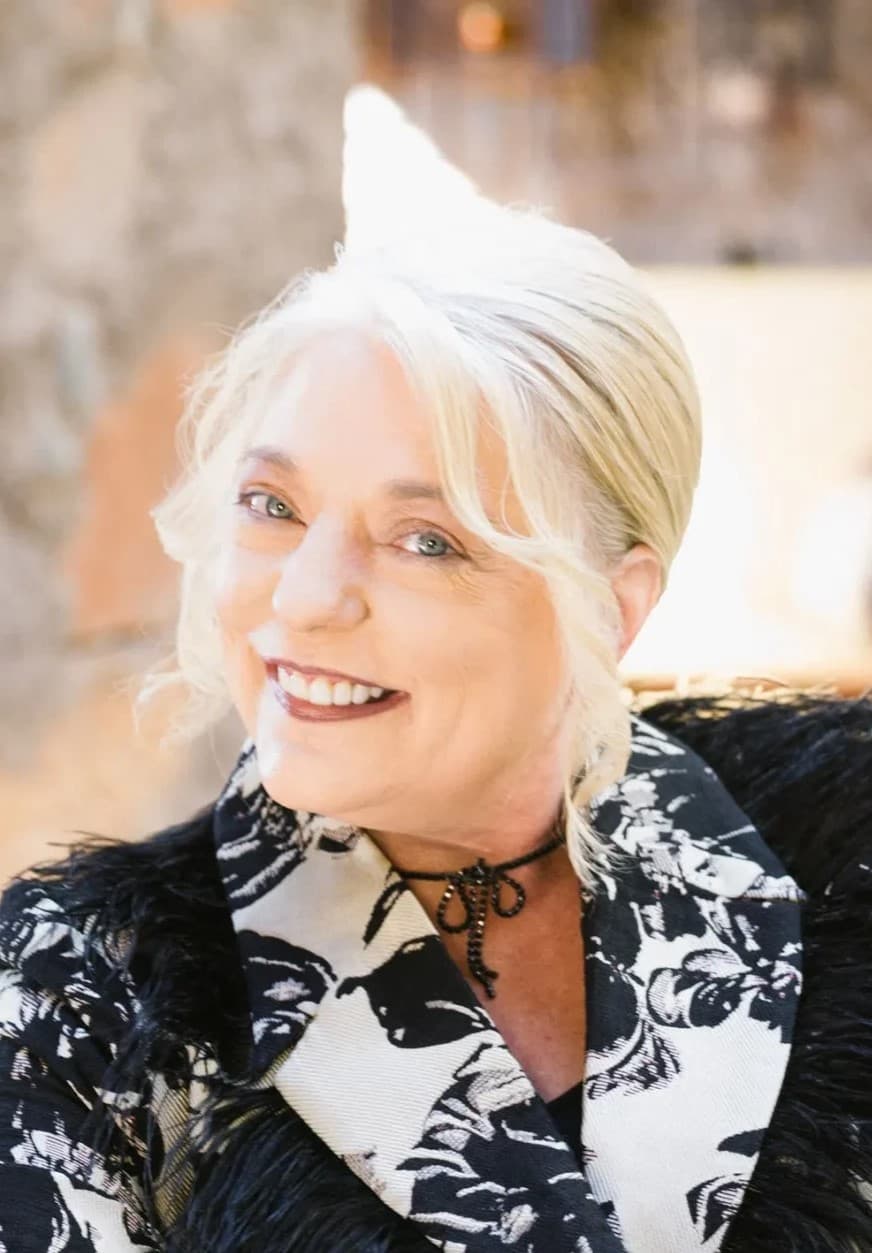
Karen Johnson
With over 30 years of news experience in major markets like Los Angeles, Denver, and Columbus, Karen now covers our area for South Jersey NewsBeat. She also brings her articulate and conversational news delivery to WOND radio listeners every weekday. Her background includes work with the NBC Radio Network, and she thrives in fast-paced news environments.