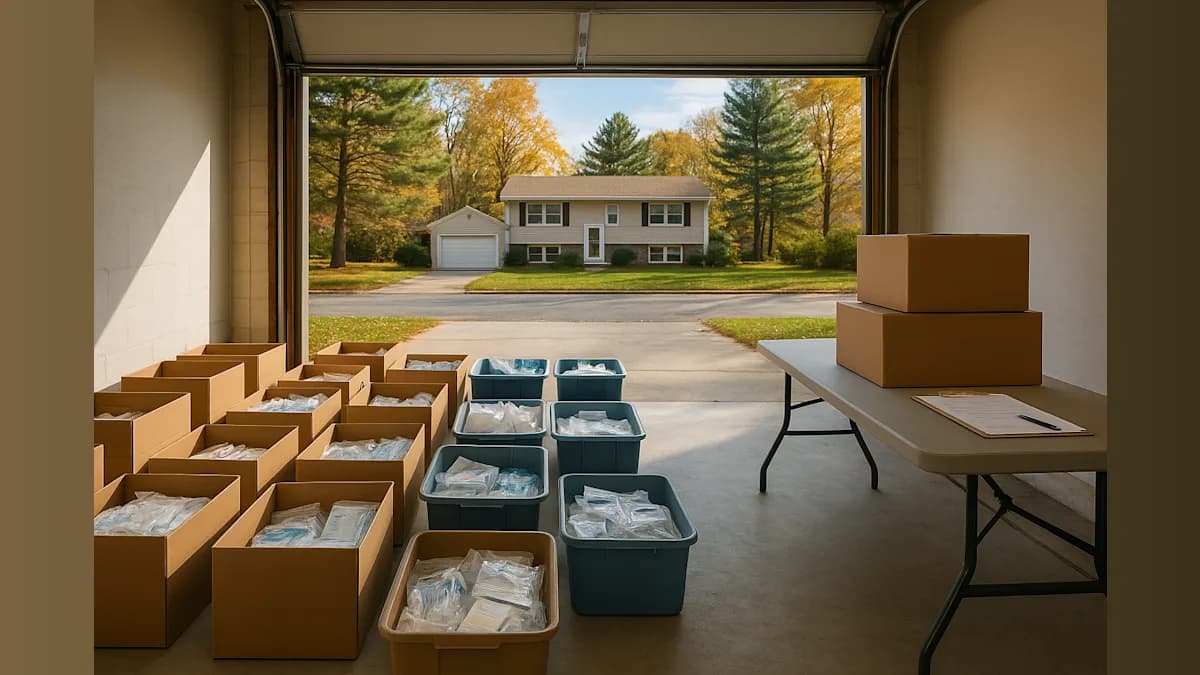
A student-driven effort to intercept usable medical supplies before they reach landfills has grown into a national movement, with volunteers redirecting millions of dollars' worth of sterile equipment to underserved clinics across the United States and around the world.
The work began with Ben Kurian, who was 16 years old when he learned that hospitals routinely discard sterile supplies simply because they are approaching their expiration dates. Rather than accept the practice as inevitable, Kurian started organizing donations from his kitchen table, according to an account published by DailyGood.
That modest beginning has since expanded into a broader coalition. Kurian's efforts now operate alongside student-led organizations including Blueprints for Pangea and United2Heal, whose volunteers sort, pack, and deliver medical supplies to clinics that would otherwise go without.
The scale of the undertaking is considerable. Millions of dollars in supplies have been rescued from disposal, and the volunteers involved balance schoolwork with warehouse shifts and deliveries. The arrangement demands both logistical coordination and sustained commitment from students who are, in many cases, still in high school.
For local communities, the implications are twofold. Hospitals and clinics gain access to sterile materials at little or no cost, while landfills are spared the burden of medical waste that remains safe and usable. The model also offers a template for civic engagement: students identify a problem that institutions have learned to overlook and build practical systems to address it.
The students involved did not wait for an external solution. As the DailyGood account observes, they saw a need and got to work — a reminder that resourcefulness and a willingness to act can produce measurable results, even when the problem is as large as the national supply chain for medical equipment.