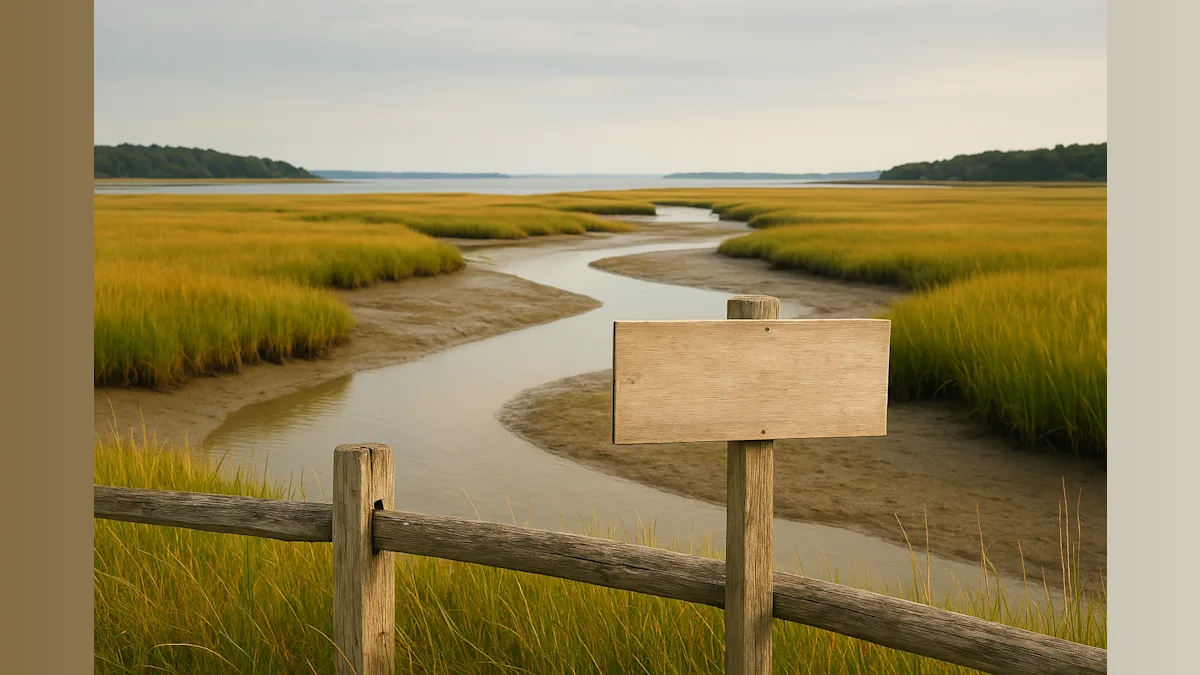
A tract of salt marsh and ancestral habitat on Cape Cod has changed hands in a transfer that carries weight far beyond its acreage. The Nature Conservancy has conveyed 126 acres to the Native Land Conservancy, an Indigenous-led nonprofit organization founded by Ramona Peters of the Mashpee Wampanoag Tribe. The property sits above the shoreline where, more than four centuries ago, colonists and Nauset warriors exchanged gunfire in the first hostile encounter of the region's colonial era.
The acreage has been consolidated with a neighboring parcel under a name drawn from the Wôpanâak language: T8nupâhs Uwatuhshât, which translates to "at the turtle's nest." Under the arrangement, tribal families may once again gather food, fish, conduct ceremonies, and maintain a connection to territory their forebears cared for across more than 12,000 years.
Peters, who leads the Native Land Conservancy, described the handover as a beginning rather than a conclusion. "This place holds so many stories that were buried and are ready to be unearthed," she told DailyGood. She also characterized the transfer in broader terms: "Returning this land to Indigenous ownership is historical and an act of resilience after four centuries of dispossession," Peters told DailyGood.
The history behind the parcel is stark. Before the land changed hands, colonists had taken corn from Indigenous stores, disturbed burial sites, and clashed with Nauset warriors in the vicinity of Cape Cod, Massachusetts. The transfer does not erase that record, but it alters who holds title to a piece of the landscape where it unfolded.
For local readers, the significance lies in what the deed represents. Historical wrongs are typically addressed through scholarship, monuments, or curriculum revisions. This transaction demonstrates that restitution can also take a legal and material form, with property records serving as the instrument of change. The arrangement places decision-making authority over the land in the hands of the community that maintained it for millennia.
The Nature Conservancy's role as the transferring party underscores a growing willingness among conservation organizations to reconsider ownership models. The Native Land Conservancy, for its part, now holds a parcel whose name alone signals the restoration of a language and a relationship to place that predates the colonial chapter by thousands of years.