A sprawling green ecosystem now flourishes atop one of Michigan's most iconic industrial sites, transforming the Rogue Factory in Dearborn into an unexpected haven for wildlife while delivering substantial energy savings.
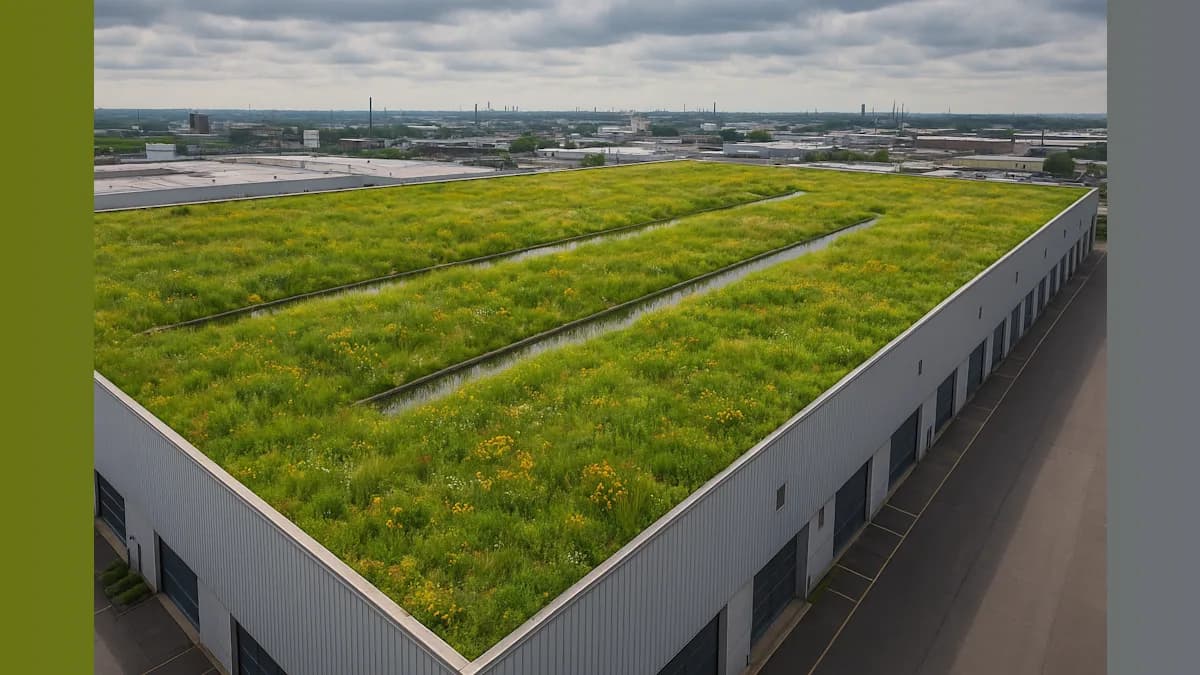
The 454,000-square-foot living roof, installed in 2002 on the factory's final assembly building, represents a curious fulfillment of Henry Ford's original vision for the property. When Ford acquired the 2,000-acre stretch along the Rogue River in 1915, he initially considered establishing a bird sanctuary before ultimately constructing what would become one of America's largest manufacturing centers.
The installation combines drought-resistant sedum plants with naturally occurring wild vegetation, layered over porous concrete and earth. This green infrastructure delivers measurable climate control benefits, maintaining building temperatures approximately 10 degrees warmer during winter months and 10 degrees cooler throughout summer.
Beyond temperature regulation, the roof functions as a massive water management system. Its design allows rainwater absorption into underground chambers while controlling the rate of runoff into surrounding stormwater infrastructure that previously experienced flooding issues. The living roof, which held the distinction of being the largest turf roof in the world at the time of its completion, completely eliminated the flooding problem.
Wildlife responded immediately to the new habitat. Local kildeer birds established nests on the roof just five days after installation, building their homes directly above the assembly lines where Ford Raptors and F-150 trucks are manufactured.
The Rogue Center, which remains the largest facility in Ford's global inventory, has operated continuously for over 100 years. The 600-acre heavily industrialized site underwent extensive environmental remediation at the end of the twentieth century, with Ford investing $2 billion to remove nearly a century's accumulation of industrial contaminants from the surrounding environment.
Today, the entire complex functions as a biodiversity hotspot. The living roof and surrounding grounds support thousands of flowers, shrubs, and trees that attract birds, insects, and butterflies. Approximately 20,000 honeybees have colonized the rooftop vegetation, establishing thriving hives among the planted and volunteer species.
The project demonstrates how industrial facilities can integrate environmental stewardship into their operations, achieving practical benefits for energy efficiency and stormwater management while creating valuable urban habitat for pollinators and wildlife.