
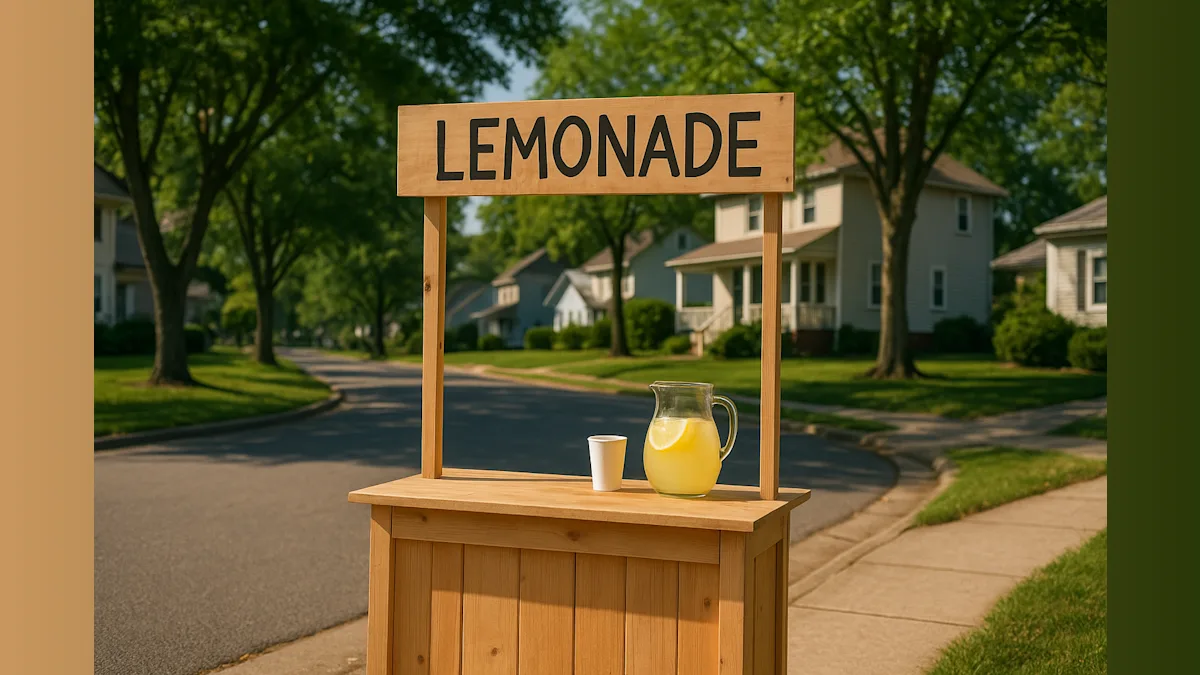
Michigan lawmakers are moving to protect a cherished childhood tradition after state employees were caught demanding fees from children operating lemonade stands.
State Representative Cam Cavitt, a Republican from Cheboygan, has proposed legislation that would eliminate virtually all regulations on childhood lemonade stands throughout Michigan. The bill comes in direct response to an incident in his district where local health department officials required children to pay repeated fees simply to operate their small-scale beverage businesses.
The proposed law represents a significant shift in how Michigan approaches temporary, child-operated food and beverage sales. Currently, even the most modest lemonade stand can technically fall under state health and business regulations, subjecting young entrepreneurs to the same licensing requirements and fees as commercial food establishments.
The Cheboygan incident that sparked the legislation highlights what many view as regulatory overreach. When local health department employees approached children running a lemonade stand and demanded payment of fees, it raised questions about the proportionality of applying commercial regulations to childhood activities that have been a summer staple for generations.
Similar conflicts between lemonade stand operators and local authorities have occurred across the United States in recent years, prompting several states to pass protective legislation. These laws typically exempt temporary, non-commercial food sales by minors from health department permits, business licenses, and associated fees.
Supporters of such legislation argue that lemonade stands provide valuable lessons in entrepreneurship, mathematics, customer service, and work ethic. Requiring children to navigate complex regulatory systems and pay substantial fees, they contend, defeats the educational purpose of these small ventures and places unreasonable burdens on families.
The Michigan proposal would join a growing number of states that have enacted lemonade stand protection laws. These measures typically define specific parameters for exemption, such as limiting the duration of operation, restricting the types of items that can be sold, and ensuring the business is operated by minors rather than adults using children as a front for commercial activity.
As the legislation moves through the Michigan state house, it raises broader questions about the balance between public health regulations and common-sense exceptions for low-risk, traditional childhood activities. The outcome could set a precedent for how the state approaches similar situations involving youth entrepreneurship and community traditions.