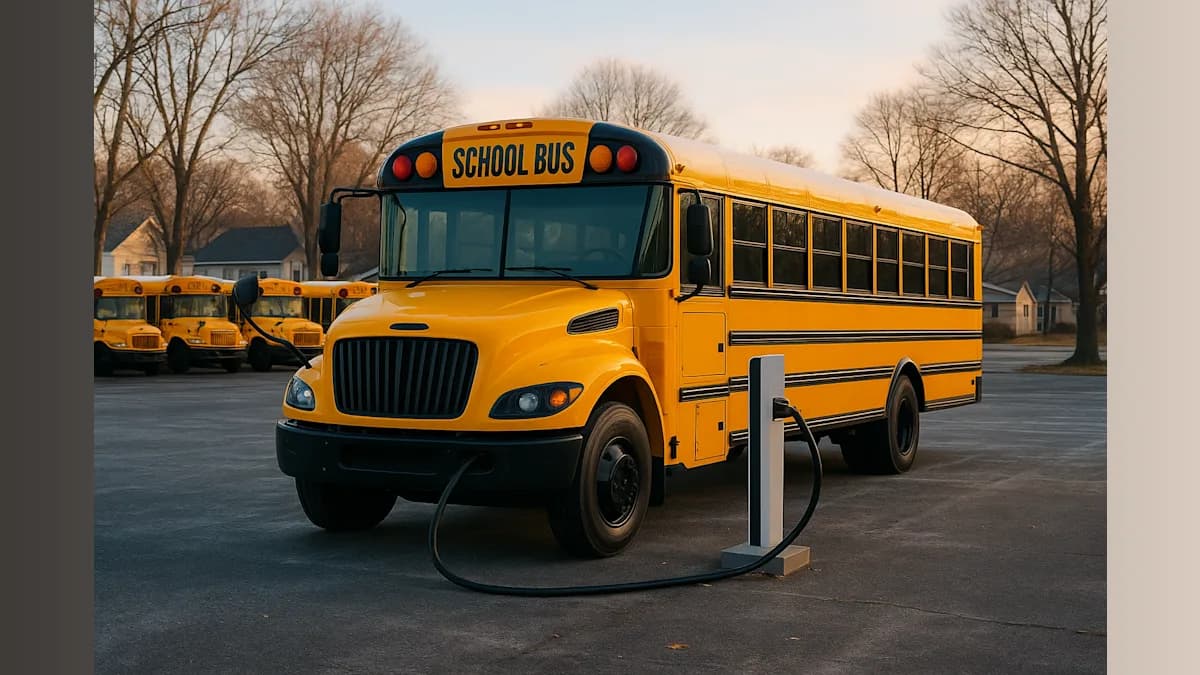
School districts across the country are confronting record-high diesel prices, and those covering the longest routes are feeling the squeeze most acutely. According to reporting by Rae Solomon of NPR, some districts have responded by transitioning portions of their fleets to electric or propane buses in an effort to ease the financial pressure.
The story, which aired on NPR's Morning Edition on October 2, 2026, highlights a widening divide in how districts are adapting. Districts with lengthy daily routes — where fuel consumption is greatest — face the most significant budget strain, while those with shorter routes have more flexibility to absorb rising costs.
The shift toward alternative fuels is not uniform. Some districts have moved to electric buses, while others have adopted propane-powered vehicles. Both approaches reduce reliance on diesel, whose price volatility has complicated transportation budgeting for school systems that must transport students regardless of fuel costs.
For local communities, the implications extend beyond the school bus lot. Transportation costs are a major line item in district budgets, and sustained diesel price spikes can force difficult choices about routes, staffing, and other programs. Districts that have already invested in electric or propane infrastructure may be better positioned to weather future price shocks, while those that have not may face mounting pressure to reconsider their fleet strategies.
The full report by Rae Solomon is available through NPR, with audio from the October 2 Morning Edition broadcast.