In Virginia's Shenandoah Valley, two retired neighbors are demonstrating that retirement can serve as a catalyst for environmental stewardship. John Rice and John Sessler have transformed their farmland into thriving habitats for wildlife, working in collaboration with Smithsonian conservation scientists.
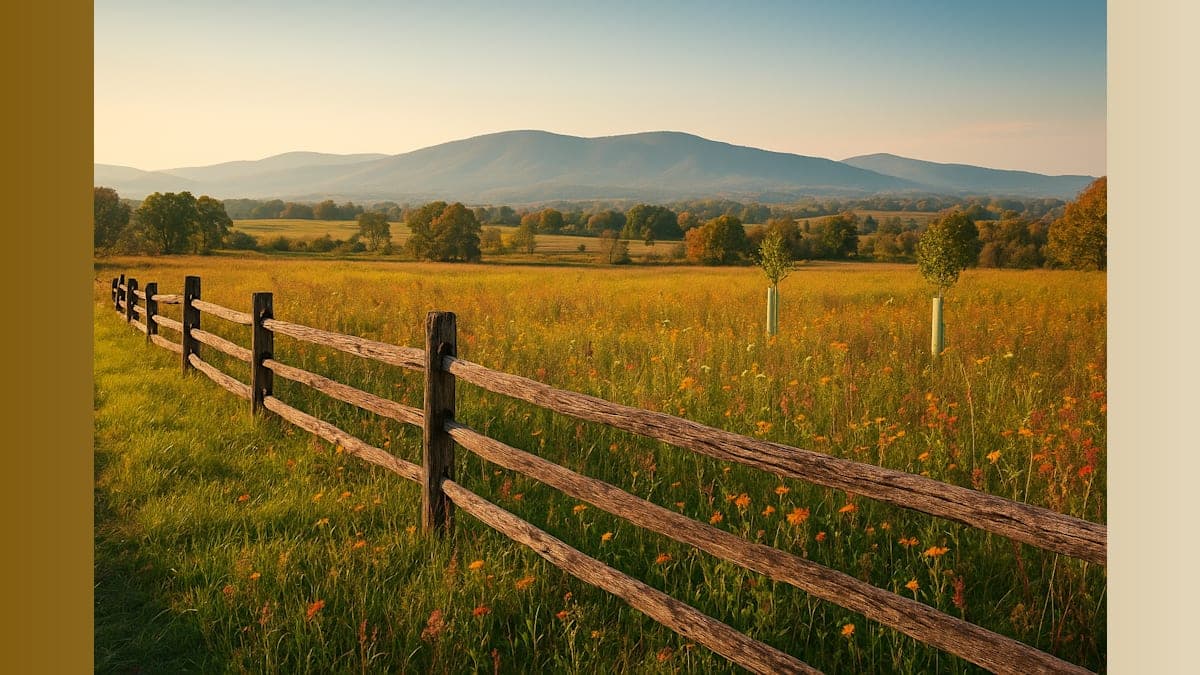
The partnership has contributed to the protection of nearly 2,500 acres of private land, establishing corridors that allow animals to move freely, locate food, and flourish. Their daily efforts include removing invasive plants and restoring native wildflowers, while they observe the landscape gradually returning to life.
What started as a personal appreciation for nature has evolved into a broader conservation legacy. The project underscores the role that private landowners can play in supporting biodiversity and connecting fragmented habitats, particularly in regions such as the Shenandoah Valley where agricultural land often borders natural areas.
The work of Rice and Sessler highlights how individual commitment, combined with scientific guidance, can yield measurable conservation outcomes. Their efforts contribute to the creation of wildlife corridors that are essential for maintaining healthy ecosystems and enabling species to adapt to changing environmental conditions.