
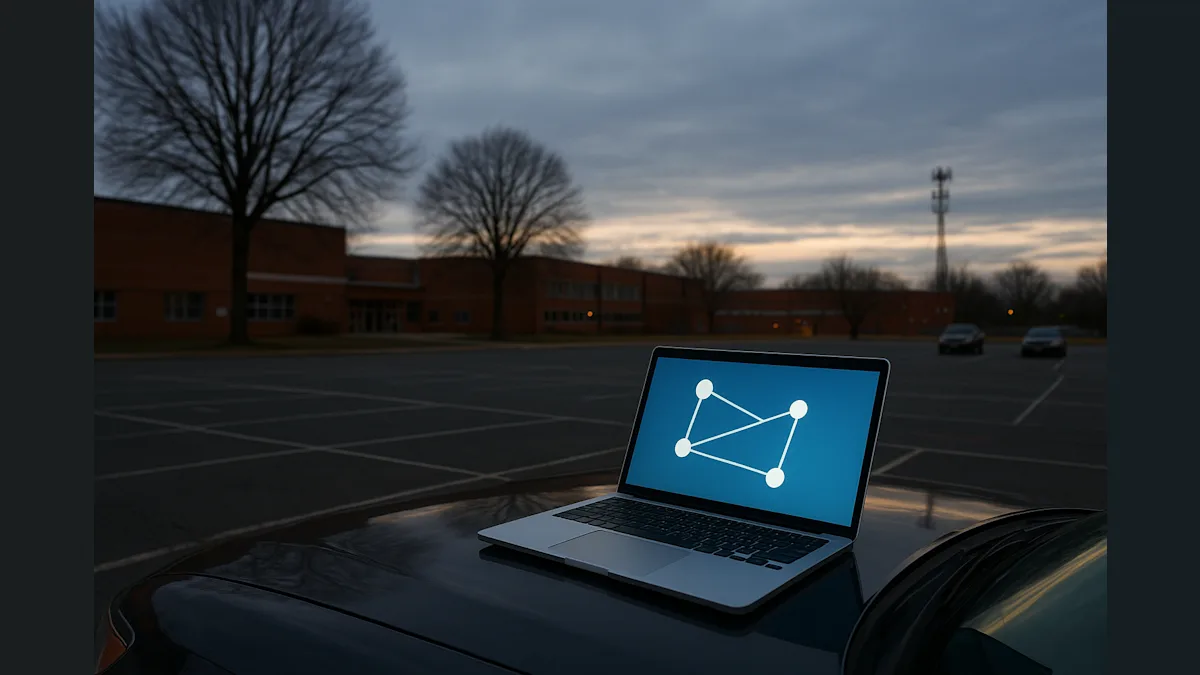
When the earthquakes struck southern Türkiye and northern Syria on February 6th, 2023, the destruction extended beyond buildings to the critical communications infrastructure that communities rely upon. Cellular towers and internet networks, damaged or destroyed in the disaster, left survivors without the ability to reach loved ones or emergency services at the moment they were needed most. That communications failure inspired a high school student to develop a solution that operates independently of the cellular grid.
The student's disaster messaging application is designed to hop across Bluetooth connections, allowing messages to travel from device to device without requiring a functioning cellular or internet network. This peer-to-peer approach means that even when traditional infrastructure has collapsed, individuals within range of one another can still exchange critical information.
The project addresses a well-documented gap in disaster response. While modern communications technology has transformed everyday life, it remains vulnerable to the same physical forces that damage homes and roads. Earthquakes, hurricanes, and other large-scale events can sever the links that make instantaneous communication possible, leaving affected populations isolated precisely when coordination matters most.
For local readers, the implications are significant. Communities in regions prone to natural disasters could benefit from decentralized messaging tools that do not depend on a single point of failure. The student's work highlights how low-cost, accessible technology can fill gaps left by traditional infrastructure, offering a potential lifeline during emergencies.
The application remains a student project, but its underlying concept—using Bluetooth to create a resilient, ad hoc communications network—demonstrates the kind of innovative thinking that can emerge when young people confront real-world problems. As disaster preparedness continues to evolve, such approaches may become valuable complements to existing emergency systems.