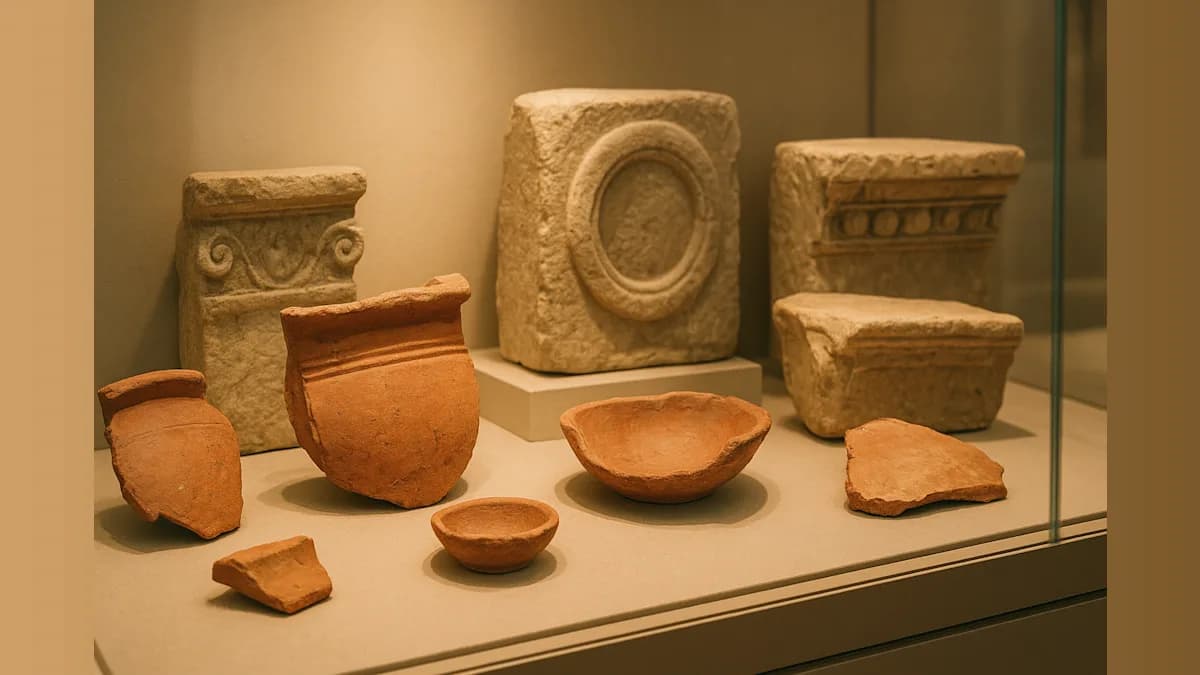
A remarkable Roman bathing complex has emerged from beneath a stone tower at an archaeological site in eastern Serbia, revealing an architectural design that challenges conventional understanding of imperial Roman construction.
Researchers from Serbia's Institute of Archaeology discovered the balneum at Vrelo-Šarkamen, a site that has undergone excavation for decades in the far eastern region of the country. The facility was constructed for Emperor Maximinus Daza, who ruled briefly before perishing in civil conflict.
The bathing complex housed three separate pools alongside a sudatorium, the Latin term for a sauna that gave rise to the modern Italian word sudato, meaning sweated. What distinguishes this structure from other Roman baths is its circular configuration topped with a domed ceiling and elevated windows.
Archaeological teams had long known about the monumental stone tower standing in the southwest corner of the property. The discovery that its lower levels concealed the emperor's private bathing facility came as a complete surprise to excavators.
The circular design represents a significant departure from standard Roman bath construction. Throughout the empire, such facilities typically followed lateral floor plans that simplified the installation of pipes and plumbing systems. The arrangement of rooms at Vrelo-Šarkamen exhibits a pattern researchers had never encountered before in Roman architecture.
The ground level contained the technical infrastructure necessary for operation. A furnace would have generated heat to warm the floors, while a large copper boiler provided hot water to fill the pools. Though the setting for the boiler remains intact, the vessel itself has disappeared over the centuries.
Galerius Valerius Maximinus, born with the name Daza in territory that comprises modern Serbia, served as a junior ruler within the Diocletian Tetrarch system. This governmental structure divided the Roman Empire between western and eastern territories, each governed by a senior emperor and a subordinate ruler.
Daza received his appointment from his uncle, also named Galerius. The controversial selection sparked the civil war that ultimately dismantled the tetrarch system and cost Daza his life following defeat at the hands of his rival Licinius.
Beyond his architectural legacy, Maximinus Daza holds a unique distinction in world history as the final person to bear the title of Pharaoh of Egypt. His status as a pagan rather than a Christian emperor made him the last ruler to claim this ancient designation.
Excavation work at the site will continue as archaeologists pursue additional information about the bathing complex and its construction. The Institute of Archaeology expects further investigation to yield new insights into this unusual example of Roman imperial architecture.